A test program is using postal carriers to administer Census questionnaires.


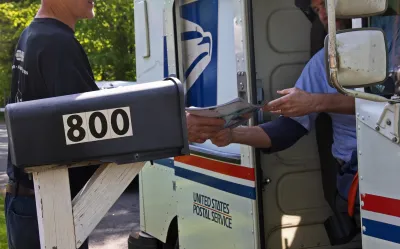
The U.S. Census Bureau is testing the use of USPS postal workers to conduct Census surveys in advance of the 2030 Census, report Mike Schneider and Susan Haigh for The Associated Press.
Starting in June, teams of postal workers will begin asking Census questions in Spartanburg, South Carolina and Huntsville, Alabama. In Spartanburg, the postal workers will ask Census questions along their routes. In Huntsville, they will collect responses outside of regular mail delivery hours. According to the authors, the idea has been around for decades, with supporters saying it would leverage the trust people already have for their postal workers.
However, a 2011 report from the Government Accountability Office determined that using mail carriers as census takers would not be efficient since they are paid significantly more than typical Census workers. And while postal workers do visit homes every day, getting census results often involves visiting homes multiple times.
The Census Bureau has also made changes to its test questionnaire that worry advocates, such as eliminating foreign language options and including a citizenship question.
Read the full story: Bureau plans to use mail carriers in census test already facing criticism

Two Lawsuits Aim to Strip Immigrants, Privacy Protections From US Census
The two cases could have major impacts on how Americans are counted in the next census.
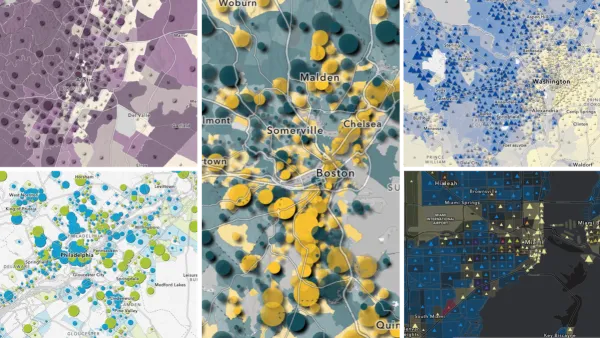
Explore US Demographics With the New ACS Atlas Collection
Esri's new ACS Atlas Collection offers interactive applications that visualize the latest U.S. demographic and socio-economic data, enabling users to explore over 175 curated web maps across various thematic areas.
Census Citizenship Question Still Not Decided
Cities fear federal funding cuts if the citizen question stays on the Census and results in an undercount of Latino populations.

Planetizen Federal Action Tracker
A weekly monitor of how Trump’s orders and actions are impacting planners and planning in America.

Amtrak, CN end decades-long dispute with eight-year agreement
The new operating agreement establishes an updated framework for the companies to work together, including processes to resolve disputes.

Judges permit Denver to divert 77,000 acre feet from the Colorado River for reservoir expansion
Overuse and climate change have caused the Colorado River’s water levels to plummet.

NYC DOT wants faster, more permanent street upgrades
The city is examining ways to build more concrete infrastructure without getting entangled in 'decades-long' projects.

'Something we’ve never seen before:' rising utility rates could strain city finances nationwide
Data centers, climate change and other factors have caused utility rates in the United States to increase by 38% since 2020.

Trump to overrule local leaders, lease millions of acres of America’s Pacific Island territories’ seafloors to mining companies
International law says that the Indigenous people of America’s territories have a right to prior and informed consent regarding projects that impact their countries.

FREE Course: Walkable City 1: Why Walkability?
After describing his path towards focusing on walkability as the essence of good planning, Jeff Speck marches through his five principal reasons for making more walkable places.
Reinventing Malls: Planning Alchemy—Turning Gray Fields Into Gold
The course focuses on the opportunities and imperatives that shape reinvention of mall sites.

Harvard University Graduate School of Design
KFH Group Inc.
Greater Baltimore Committee
The Architects Foundation
University of Cincinnati Online
The Pocatello Development Authority
The Urban Renewal Agency of the City of Pocatello