The two cases could have major impacts on how Americans are counted in the next census.


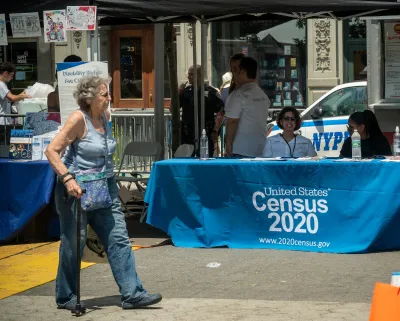
Two lawsuits could have significant impacts on how the next U.S. Census is conducted. According to reporting by Mike Schneider for the Associated Press, one lawsuit contests the methods used by the Census Bureau to protect the privacy of respondents and ensure that group home residents are counted, which could force states to redraw borders for their political districts.
The second lawsuit seeks to exclude people without legal immigration status from the Census count for drawing Congressional district lines. Congressional Republicans have also introduced other measures to exclude noncitizens from political apportionment.
The lawsuits both align with President Trump’s goals of changing how the Census is conducted to prevent undocumented immigrants from being represented in congressional districts and collect citizenship data during the Census.
FULL STORY: Lawsuits by Trump allies could shape how the 2030 census is done and who will be counted


US Census Starts Using Postal Workers as Census Takers
A test program is using postal carriers to administer Census questionnaires.
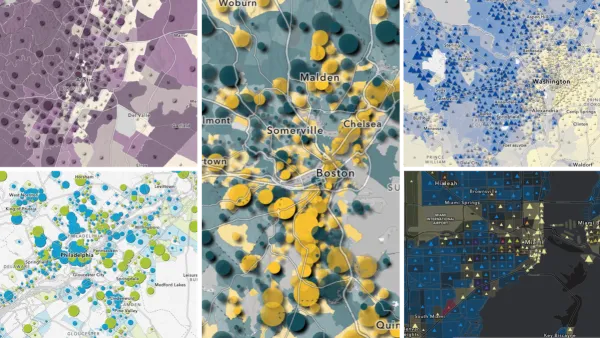
Explore US Demographics With the New ACS Atlas Collection
Esri's new ACS Atlas Collection offers interactive applications that visualize the latest U.S. demographic and socio-economic data, enabling users to explore over 175 curated web maps across various thematic areas.

For 2020 Census, Cities Face Hurdles Finding People to Count
In many cities, people are living in places that are hard to locate. But accurate census counts are crucial to ensuring cities get their fair share of political power and funding.

The state-sanctioned urbicide of Austin
People don’t kill cities. Freeways do.

US to reduce Colorado River water deliveries to Mexico
A new Colorado Treaty amendment reduces Mexico’s Colorado River water allocation by 250,000 acre feet.

New Jersey’s second-largest city bans standalone data centers
Jersey City will continue to allow co-location facilities, such as those meant for research institutions that store their own data.

Amtrak not solely to blame for New Jersey commuter rail's unreliability, report finds
A new study from the Garden State Initiative found that NJ Transit’s budget grew 20% across a 4 year period, but reliability declined significantly over the same period.

EPA erases limits on planet-warming pollution from power plants
Under Monday’s plan, power plants would still have some limits on how much mercury, arsenic and other contaminants they can emit.

Phoenix announces new on-demand transit service, more frequent RAPID buses
Both new services will launch in October, and are part of Phoenix's Project Effective Access Solutions for Easing Congestion.

FREE Course: Walkable City 1: Why Walkability?
After describing his path towards focusing on walkability as the essence of good planning, Jeff Speck marches through his five principal reasons for making more walkable places.
Reinventing Malls: Planning Alchemy—Turning Gray Fields Into Gold
The course focuses on the opportunities and imperatives that shape reinvention of mall sites.

Eagle County Government
Harvard University Graduate School of Design
Nashville Planning Department
The Architects Foundation
University of Cincinnati Online
The Pocatello Development Authority
The Urban Renewal Agency of the City of Pocatello
Journal of the American Planning Association