A majority of passengers say they feel safe on trains and in stations.


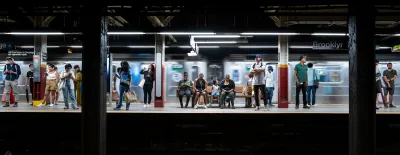
A survey of over 92,000 NYC subway riders reveals that passengers on the system largely feel safe on trains (63 percent) and in stations (59 percent).
According to an article by Sydney Hargrove in Secret NYC, “Perhaps most notably, 53% of riders now say they feel safe on platforms—a five-point jump and the first time that number has climbed above 50%.”
These numbers support a 2025 report that found the subway had its safest year in two decades. Meanwhile, performance and reliability has also improved. “Weekday on-time performance in 2025 averaged 83.7%, making it the best year on record, with May setting an all-time monthly high at 85.2%. Ridership also surged, with nearly 1.3 billion subway trips taken over the year, a 7% increase from 2024.”
According to the survey, “Riders reported major improvements in reliability, wait times, and delays, each up nine points or more, while borough results showed strong numbers in Manhattan at 69% and steady satisfaction on Staten Island buses at 60%.”

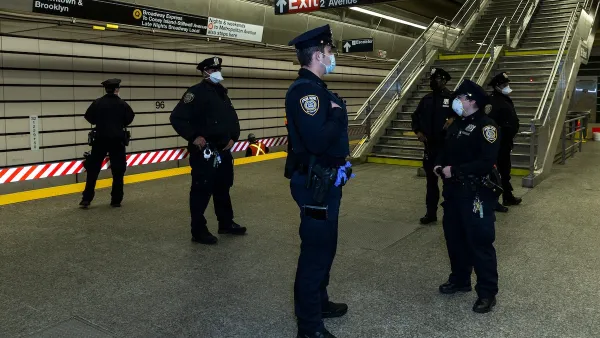
Judge Blocks Trump Cuts to MTA Security Funding
A judge halted the Trump administration’s attempt to withhold transit security funds.
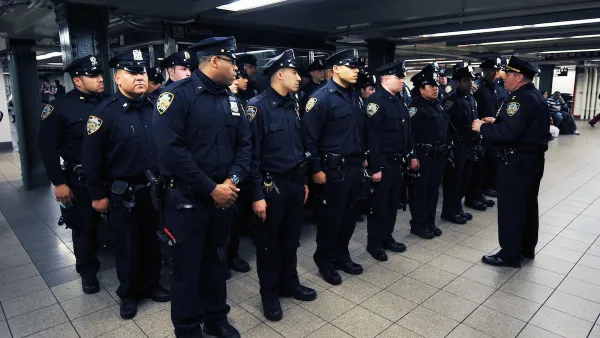
Feds Deny NYC ‘Every Dollar’ of Transit Security Funding Due to ‘Sanctuary’ Status
DHS denied the MTA its request for funding under the Transit Security Grant Program despite the administration’s concern with transit safety.
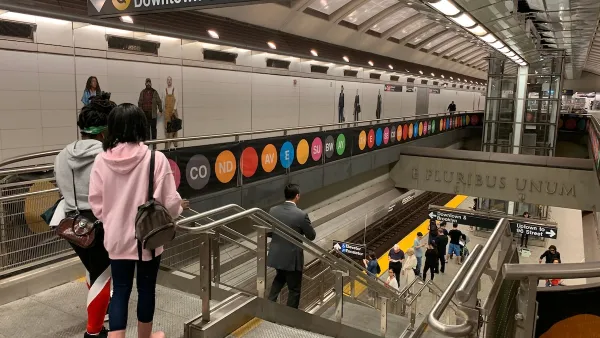
After 50 Years, Subway to East Harlem to Break Ground
The MTA approved a contract to extend the Q Line to three new stations, with surface work slated to begin in September.

Planetizen Federal Action Tracker
A weekly monitor of how Trump’s orders and actions are impacting planners and planning in America.

The state-sanctioned urbicide of Austin
People don’t kill cities. Freeways do.

US to reduce Colorado River water deliveries to Mexico
A new Colorado Treaty amendment reduces Mexico’s Colorado River water allocation by 250,000 acre feet.

Amtrak not solely to blame for New Jersey commuter rail's unreliability, report finds
A new study from the Garden State Initiative found that NJ Transit’s budget grew 20% across a 4 year period, but reliability declined significantly over the same period.

EPA erases limits on planet-warming pollution from power plants
Under Monday’s plan, power plants would still have some limits on how much mercury, arsenic and other contaminants they can emit.

Phoenix announces new on-demand transit service, more frequent RAPID buses
Both new services will launch in October, and are part of Phoenix's Project Effective Access Solutions for Easing Congestion.

FREE Course: Walkable City 1: Why Walkability?
After describing his path towards focusing on walkability as the essence of good planning, Jeff Speck marches through his five principal reasons for making more walkable places.
Reinventing Malls: Planning Alchemy—Turning Gray Fields Into Gold
The course focuses on the opportunities and imperatives that shape reinvention of mall sites.

Eagle County Government
Harvard University Graduate School of Design
Nashville Planning Department
The Architects Foundation
University of Cincinnati Online
The Pocatello Development Authority
The Urban Renewal Agency of the City of Pocatello
Journal of the American Planning Association