Mark Zuckerberg has bought 11 homes, building a massive compound with a private school and heavy security patrols.


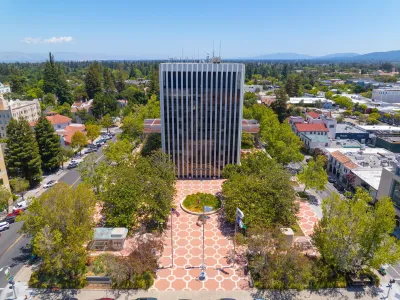
Amid growing tensions over Mark Zuckerberg’s ever-expanding Palo Alto, California compound, the city council is considering changes to local policies that would curb the impact of massive land purchases such as Zuckerberg’s buyout of 11 Palo Alto homes, reportsGennady Sheyner in Palo Alto Weekly.
Neighbors spent years fighting the expansion of the compound, which included a private school that residents argued fell outside the area’s allowed uses. “Since the compound opened, families have left the 1400 block of Hamilton Avenue and security guards have arrived. Construction trucks and delivery vans have become fixtures on the block, where Zuckerberg purchased homes at a rapid clip. Some remained unoccupied for months, while others were repurposed for other uses, according to the neighbors.”
According to an article in The Cool Down by Kim LaCapria, Councilmember Greer Stone has proposed legislation applicable to people who buy three or more homes within a 500-foot radius “requiring them to submit extensive documentation showing that planned renovations won't hamper daily life by blocking roads or causing noise.” The law would also limit the number of renovations allowed, impose a three-year waiting period between projects, and ban leaving homes vacant for more than six months in a year.
Read the full story: Palo Alto tries to rein in Zuckerberg’s Crescent Park expansion

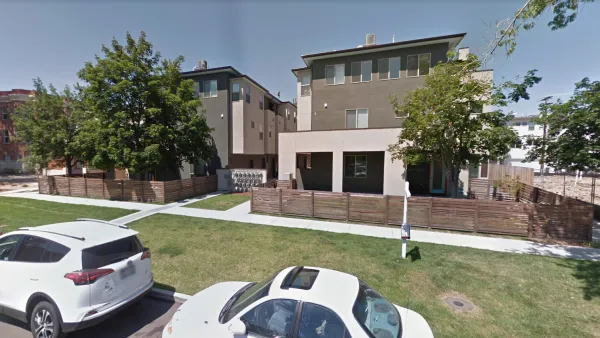
Denver Bans 'Slot Homes,' But Not Before They Changed Neighborhoods
Aerial photos show just how completely some areas of the city were transformed before the building typology was eliminated earlier this week.
Palo Alto City Council Changes Zoning Language to Make Software Companies Legal in the City
Strange as it may sound, the city in the heart of U.S. software country had an ordinance that made such companies were illegal, even though such companies are common in the city.

The Charms of 'Illegal Neighborhoods'
A longtime resident of an old, eclectic neighborhood reflects on what makes the area so desirable and why new places like it are effectively outlawed today.

Planetizen Federal Action Tracker
A weekly monitor of how Trump’s orders and actions are impacting planners and planning in America.

The state-sanctioned urbicide of Austin
People don’t kill cities. Freeways do.

US to reduce Colorado River water deliveries to Mexico
A new Colorado Treaty amendment reduces Mexico’s Colorado River water allocation by 250,000 acre feet.

Brightline West’s future may rely on $6 billion federal loan
The company has until Nov. 2 to make a $400 million equity investment into its proposed high-speed rail line.

LA Metro’s ultimatum: no extra buses for LA28 if federal funding isn’t imminently secured
If Metro does not provide additional buses, LA28 organizers will have to find a new way to manage Olympic traffic. LA28’s budget does not include a line item for transit.

Colorado’s Largest Data Center Could Rise Next to Homes — Without a Public Hearing
The proposed campus would consume 11 times the power of Denver International Airport; as it has across the country, opposition mounts.

FREE Course: Walkable City 1: Why Walkability?
After describing his path towards focusing on walkability as the essence of good planning, Jeff Speck marches through his five principal reasons for making more walkable places.
Reinventing Malls: Planning Alchemy—Turning Gray Fields Into Gold
The course focuses on the opportunities and imperatives that shape reinvention of mall sites.

Eagle County Government
Harvard University Graduate School of Design
Nashville Planning Department
The Architects Foundation
University of Cincinnati Online
The Pocatello Development Authority
The Urban Renewal Agency of the City of Pocatello
Journal of the American Planning Association