As more than 5,000 rent-stabilized units connected to the Pinnacle Group prepare to go up for auction in 2026, residents warn would-be buyers not to overlook the years of disrepair that made those units unlivable.


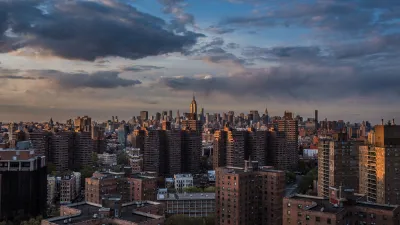
In New York City, more than 5,000 rent-stabilized units connected to the Pinnacle Group will go up for auction in 2026. Residents who live in those properties are warning would-be buyers not to overlook the years of disrepair that made those units unlivable.
For years, tenants in these properties have lived with broken elevators, mold, power outages, lack of heating, and pest problems. And some residents have been on rent strike for more than a year, demanding that repairs be made. “I realized that paying rent to this landlord is like rewarding neglect,” said Jon Deliz at a rally last month in front of his home. “It wasn’t until I went on rent strike that suddenly calls are getting returned and repairs started getting done."
In this article, Shelterforce and Next City reporter Roshan Abraham talks with several residents about their experiences and struggles for safe housing. Abraham also digs deep on Pinnacle's problematic housing history and explores what's to come for residents and the properties in question.
Read the full story: Rats, Faulty Heating, and Mushrooms on the Ceiling: Inside the Fight Against Pinnacle

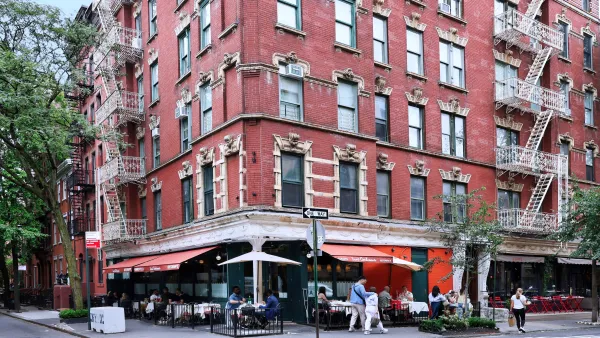
Over half of NYC luxury second properties may be exempt from pied-à-terre tax
Complicated laws around buildings owned by LLCs are making it difficult for NYC officials to determine which buildings can be taxed.
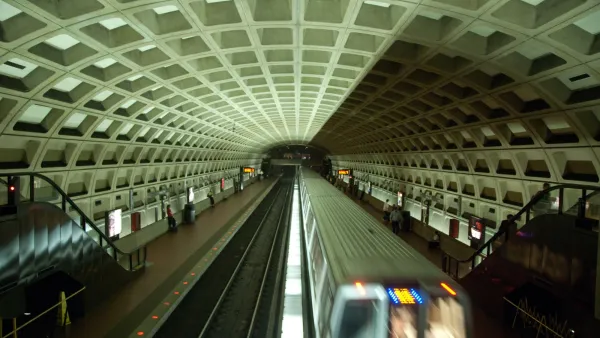
Judge: D.C. Metro Does, In Fact, Own Its Facilities
An internet company can't just stop paying for the use of underground transit facilities when it decides the subway company doesn't have the right to charge for the access.

Planetizen Federal Action Tracker
A weekly monitor of how Trump’s orders and actions are impacting planners and planning in America.

The state-sanctioned urbicide of Austin
People don’t kill cities. Freeways do.

US to reduce Colorado River water deliveries to Mexico
A new Colorado Treaty amendment reduces Mexico’s Colorado River water allocation by 250,000 acre feet.

Nation's most wind-powered state turns to coal as data centers increase energy demand
For the first time in decades, Iowa has increased its generation of coal power.

NYC cools commuters with city's first rain garden above a bus stop
New York City officials say the plants in the rain garden can absorb 16 gallons of rainwater during heavy storms.

Brightline West’s future may rely on $6 billion federal loan
The company has until Nov. 2 to make a $400 million equity investment into its proposed high-speed rail line.

FREE Course: Walkable City 1: Why Walkability?
After describing his path towards focusing on walkability as the essence of good planning, Jeff Speck marches through his five principal reasons for making more walkable places.
Reinventing Malls: Planning Alchemy—Turning Gray Fields Into Gold
The course focuses on the opportunities and imperatives that shape reinvention of mall sites.

Greater Baltimore Committee
Eagle County Government
Harvard University Graduate School of Design
The Architects Foundation
University of Cincinnati Online
The Pocatello Development Authority
The Urban Renewal Agency of the City of Pocatello
Journal of the American Planning Association