The MTA board approved a 10-cent fare increase as part of a plan to increase revenue, claiming the agency loses $1 billion annually to fare evasion.


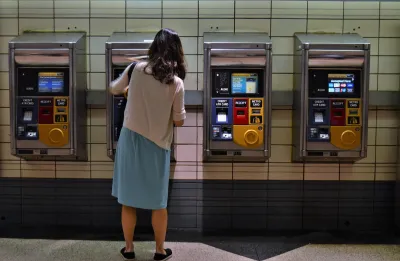
New York City transit leaders approved a 10-cent increase to fares that will go into effect in January, reports Stefanos Chen in The New York Times.
The vote was part of a larger plan to increase revenue for the Metropolitan Transportation Authority. “The cost of weekly and monthly tickets on the Long Island Rail Road and Metro-North, which are priced based on the distance traveled, will increase by up to 4.5 percent; one-way fares will climb by up to 8 percent. Access-A-Ride, the paratransit service that costs the same as the subway, will also cost $3 starting next year.” Tolls on some bridges and tunnels will also increase.
Other changes include a 12-ride cap for a seven day period, a longer expiration window for Long Island Rail Road tickets, and $1 fares for accompanied minors 17 and under on commuter railroads.
“Last year, the authority lost roughly $1 billion in revenue to fare and toll evasion, most of it on the buses and subway, according to the Citizens Budget Commission.” Despite the agency’s efforts to increase fare enforcement, “in the first quarter of this year, about 10 percent of subway riders and 44 percent of bus passengers skipped the fare.”
FULL STORY: N.Y.C. Subway and Bus Fares Will Rise to $3 in January

Judge Extends NYC Congestion Pricing Through at Least June 9
A federal judge halted the Trump administration’s effort to kill the program, which remains in limbo as a lawsuit filed by the MTA moves forward.
Trump’s Election Lends NYC Congestion Pricing Program New Urgency
New York Gov. Hochul has 75 days to reinstate the stalled program or risk losing billions in funding for the city’s aging transportation infrastructure and transit system.
New York MTA Seeks Federal Funding Relief as Ridership Plummets
The Metropolitan Transportation Authority has seen significant ridership drops due to the coronavirus. The agency is asking Congress for $4 billion to help it through the crisis.

Planetizen Federal Action Tracker
A weekly monitor of how Trump’s orders and actions are impacting planners and planning in America.

The state-sanctioned urbicide of Austin
People don’t kill cities. Freeways do.

US to reduce Colorado River water deliveries to Mexico
A new Colorado Treaty amendment reduces Mexico’s Colorado River water allocation by 250,000 acre feet.

5 New England states march closer to 800 megawatt wind energy project
Securing federal approval for the project may be complicated under the Trump administration, which has historically been hostile towards domestic wind power.

Baltimore to break ground on $50 million Transit Priority Project
The project will bring faster bus trips, safer streets and better bike connections to Baltimore.

Airbnb launches $250 million 'last-dollar financing' housing accelerator, makes first investment in Austin
The company will put $6.4 million towards affordable housing development in Texas’ capital.

FREE Course: Walkable City 1: Why Walkability?
After describing his path towards focusing on walkability as the essence of good planning, Jeff Speck marches through his five principal reasons for making more walkable places.
Reinventing Malls: Planning Alchemy—Turning Gray Fields Into Gold
The course focuses on the opportunities and imperatives that shape reinvention of mall sites.

Eagle County Government
Harvard University Graduate School of Design
Nashville Planning Department
The Architects Foundation
University of Cincinnati Online
The Pocatello Development Authority
The Urban Renewal Agency of the City of Pocatello
Journal of the American Planning Association