An analysis found that the city’s real parking demand is around 0.85 spots per housing unit, far less than the 1.5 spaces required under the old zoning code.


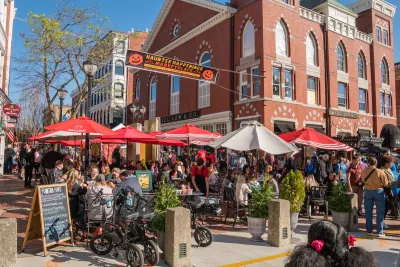
Salem, Massachusetts eliminated parking minimums for most new multifamily developments an effort to bring down housing costs and make building multifamily housing more affordable.
According to an article by Andrew Brinker in the Boston Globe, “Officials there hope the move will allow builders to construct new apartment buildings at a lower cost and make more efficient use of the city’s land.”
Under old regulations, builders had to include 1.5 off-street parking spaces for every new unit of housing, leading to an overbuild of parking in Salem. According to a survey by the Metropolitan Area Planning Council, “some 38 percent of parking spaces built at a sampling of multifamily housing developments in the city were vacant overnight, when most residents are home.” A similar study showed that 30 percent of parking spots in the Boston area were empty during peak parking hours. MAPC found that the actual demand for parking in Salem is likely around 0.85 parking spaces per unit.
FULL STORY: Salem eliminates parking minimums for new development, in bid to make housing cheaper


Washington State Legislature Passes Parking Reform Bill
A bill that would limit parking requirements for new developments is headed to the governor’s desk.

Boulder Eliminates Parking Minimums Citywide
Officials estimate the cost of building a single underground parking space at up to $100,000.
Dallas Considers Nixing Parking Requirements
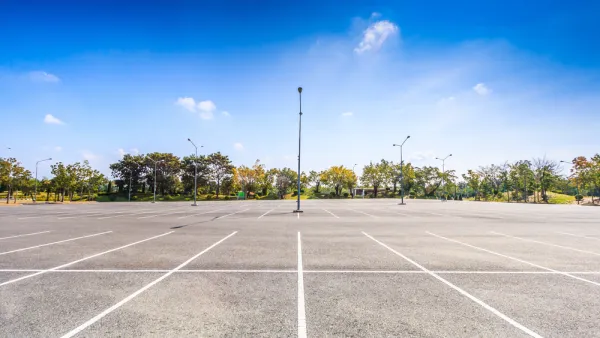
According to one local official, Dallas projects routinely build 20 to 30 percent more parking than they need, driving up the cost of housing and leading to unsustainable land use patterns.

Planetizen Federal Action Tracker
A weekly monitor of how Trump’s orders and actions are impacting planners and planning in America.

The state-sanctioned urbicide of Austin
People don’t kill cities. Freeways do.

US to reduce Colorado River water deliveries to Mexico
A new Colorado Treaty amendment reduces Mexico’s Colorado River water allocation by 250,000 acre feet.

5 New England states march closer to 800 megawatt wind energy project
Securing federal approval for the project may be complicated under the Trump administration, which has historically been hostile towards domestic wind power.

Baltimore to break ground on $50 million Transit Priority Project
The project will bring faster bus trips, safer streets and better bike connections to Baltimore.

Airbnb launches $250 million 'last-dollar financing' housing accelerator, makes first investment in Austin
The company will put $6.4 million towards affordable housing development in Texas’ capital.

FREE Course: Walkable City 1: Why Walkability?
After describing his path towards focusing on walkability as the essence of good planning, Jeff Speck marches through his five principal reasons for making more walkable places.
Reinventing Malls: Planning Alchemy—Turning Gray Fields Into Gold
The course focuses on the opportunities and imperatives that shape reinvention of mall sites.

Eagle County Government
Harvard University Graduate School of Design
Nashville Planning Department
The Architects Foundation
University of Cincinnati Online
The Pocatello Development Authority
The Urban Renewal Agency of the City of Pocatello
Journal of the American Planning Association