Some hope that a ‘silver tsunami’ of downsizing baby boomers will bring down housing costs, but the reality is likely much more complicated.



In a segment on NPR, Wailin Wong and Darian Woods report on the potential ‘silver tsunami’ that could free up a significant number of U.S. homes.
As host Ari Shapiro explains, “We're talking baby boomers and empty nesters putting their homes on the market, boosting supply and bringing home prices down.” Older Americans are expected to downsize, potentially putting more larger, older homes on the market.
As of 2022, 16 percent of U.S. households were ‘empty nesters,’ defined as people over 55 with no children at home who have at least two extra bedrooms and have lived in the home for over a decade. According to Zillow senior economist Orphe Divounguy, this is roughly double the number of families that need housing.
However, the ‘empty nests’ are concentrated in areas that are already more affordable, such as Pittsburgh and Cleveland. Fewer exist in high-cost locations like New York City or San Jose. “So there's this geographical mismatch at play here. Even if downsizing empty nesters put their homes on the market, they'll be selling in cities that are already relatively affordable and where younger workers aren't choosing to move.”
Other hiccups include the fact that many older homeowners have paid off their homes, meaning they’re unlikely to want to take on a new mortgage. And if they do want to move, they are likely to want to live near younger family, in cities near the coasts — “and that could actually add to the upward pressure on housing prices.”
Read the full story: Could a 'silver tsunami' of aging Americans fix the housing crisis?

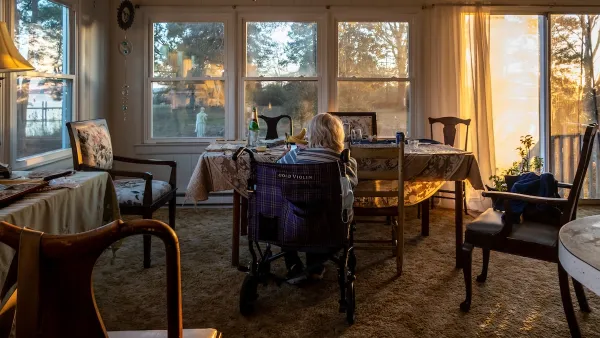
Homelessness Among Maryland Seniors Rose 77 Percent Since 2018
The high cost of housing is pushing many older adults into homelessness, while shelters are not equipped to address their specific needs.
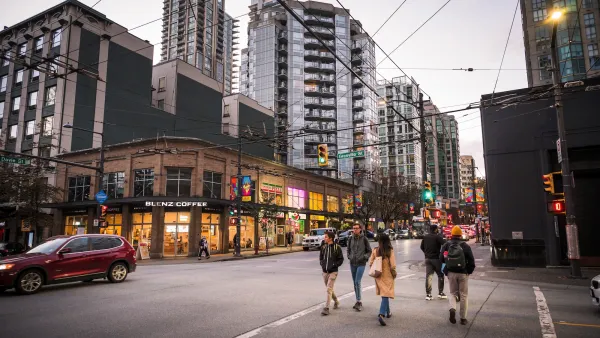
To upzone or not to upzone? Two views on the housing crisis
Allowing more density can increase the housing supply, but does the attendant rise in land prices cancel out the benefits?
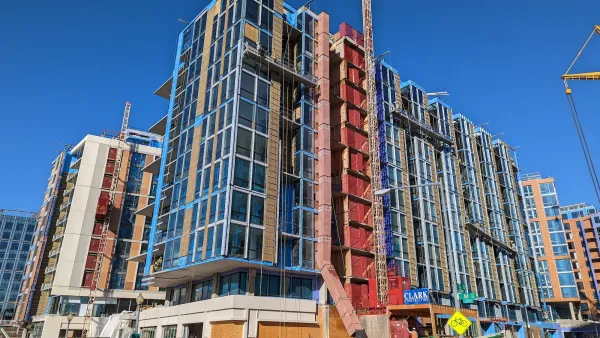
Analysis: DC needs tens of thousands of new homes — not just 'zoned capacity'
Estimates for Washington DC's housing needs range from 15,000 to 170,000.

Planetizen Federal Action Tracker
A weekly monitor of how Trump’s orders and actions are impacting planners and planning in America.

California plans to bury El Niño’s downpour
If the state plays its cards right, it may be able to store a billion acre-feet of El Niño’s water in aquifers.

Desperate measures: Advocates weigh draining Lake Powell to fill Colorado River
Draining the reservoir could reduce evaporation losses by a couple hundred thousand acre-feet.

Chicago Avenue bridge construction delays enrages city leaders
The bridge has been closed since 2025. The city originally aimed to re-open it in December, and now expects to finish construction in 2027.

NYC bus network redesign speeds up Queens buses
Rush routes have seen a 4.6% speed increase after the redesign.

California High-Speed Rail Authority picks trainset manufacturer
The California High-Speed Rail Authority aims to start servicing passengers by 2033.

FREE Course: Walkable City 1: Why Walkability?
After describing his path towards focusing on walkability as the essence of good planning, Jeff Speck marches through his five principal reasons for making more walkable places.
Reinventing Malls: Planning Alchemy—Turning Gray Fields Into Gold
The course focuses on the opportunities and imperatives that shape reinvention of mall sites.

City of Rosemead
Rutgers University, Edward J. Bloustein School of Planning and Public Policy
One Hundred Miles
Hunter College, City University of New York (CUNY)
The Architects Foundation
University of Cincinnati Online
City of Cambridge
Montrose County
The Pocatello Development Authority