The event encourages public officials to use their local public transit and engage with the people who rely on it every day.


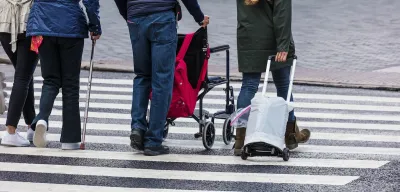
In a piece in Streetsblog USA, Anna Zivarts explains the impact of Week Without Driving, a grassroots effort that has grown into an annual challenge hosted by over five hundred organizations around the country.
This year the Week Without Driving will take place Sept. 29-Oct. 5 with walk audits, transit ride-alongs and community forums where nondrivers can share their daily experiences of transportation access with elected leaders and transportation agency leadership.
The event is meant to encourage public officials to experience their local public transit and understand the day-to-day experiences of transit riders. Unlike other car-free events, Zivarts writes, “Week Without Driving comes from our campaign to have those in charge of our transportation networks and investment priorities understand the needs of nondrivers in their communities — in particular involuntary nondrivers who can’t drive or can’t afford to drive.”
For Zivarts, the event is not just about celebrating car-free modes — it’s about helping elected officials understand the needs of people with disabilities, elderly people, and others who can’t drive on a daily basis and ensuring that they have access to transportation options that don’t limit their mobility. “In asking participants to reflect on what it means to get around their communities without driving themselves, we are asking them to help us tell the story of nondriver mobility, a story that is too often overlooked, leaving too many of us stuck at home, unable to fully access and participate.”
Read the full story: Zivarts: How ‘Week Without Driving’ Is Having An Impact
Op-Ed: Why Mobility Is Political
The freedom to move remains unevenly distributed between people of different backgrounds.
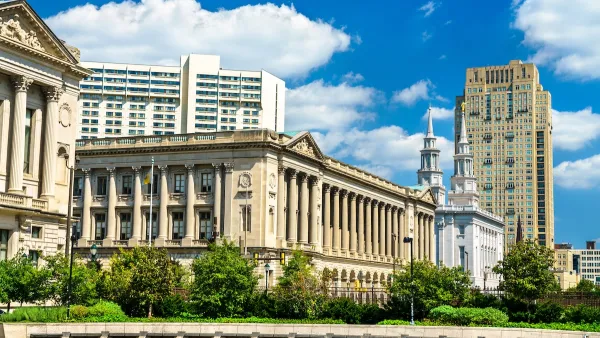
The Link Between Public Transit and Justice
The chancellor of the Philadelphia Bar Association argues that a robust transit system is key to ensuring people on all sides of the justice system can access courts and resources.
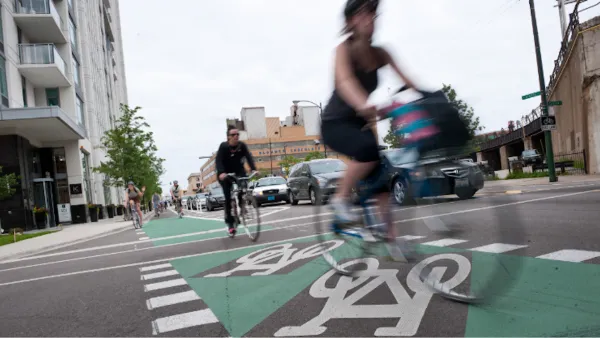
Growing up Car-Free in Chicago
One Chicago youth recounts their experience growing up in a car-free household.

Washington state to charge fee to drivers with fuel-efficient cars
Revenue from the fee will go towards supporting the state’s highways.

Illinois considers spending $1 billion in taxpayer money on data center
A quantum computing campus and data center are currently under construction in Chicago.

Trump to blast ‘hydrocarbon highway’ through ‘world’s longest art gallery’
Environmental and historic preservation groups are suing to stop the project.

U.S. Army plan to explode reactive lead waste in Iowa postponed indefinitely
The Army will detonate the lead inside underground concrete chambers.

Data centers may drain 4 billion gallons of water annually from U.S.’s driest state
Nevada already has three dozen data centers; several dozen more are planned.

Boston City Council votes to no longer mandate parking in residential developments
The Boston Zoning Commission still needs to approve the proposal.

FREE Course: Walkable City 1: Why Walkability?
After describing his path towards focusing on walkability as the essence of good planning, Jeff Speck marches through his five principal reasons for making more walkable places.
Reinventing Malls: Planning Alchemy—Turning Gray Fields Into Gold
The course focuses on the opportunities and imperatives that shape reinvention of mall sites.

City of Charlotte
City of Rosemead
Rutgers University, Edward J. Bloustein School of Planning and Public Policy
University of Michigan School for Environment and Sustainability (SEAS)
Hunter College, City University of New York (CUNY)
The Architects Foundation
University District Partnership