Environmental advocates are using infrared technology to monitor and document methane leaks from neighborhood oil sites, filling regulatory gaps and pushing for stronger protections to safeguard community health and the climate.


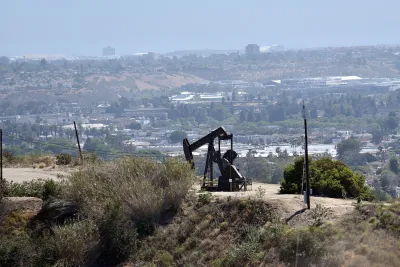
In Wilmington, Los Angeles — a community with the city’s highest concentration of oil drilling — grassroots environmental justice groups are taking on the job of monitoring methane leaks, stepping in where regulatory oversight has fallen short. Armed with a Forward-Looking Infrared (FLIR) camera that visualizes methane emissions, field investigators from the Central California Environmental Justice Network (CCEJN) and partner organizations have been documenting leaks from idle oil wells and tanks near homes, parks, and schools. These leaks, while often small, pose serious health and climate risks, and the data collected is being submitted to regulators to press for action. This community-driven effort is filling a critical gap in official monitoring, which remains irregular and under-resourced.
Health researchers and advocates emphasize that even minor and consistent leaks contribute to long-term health hazards. Methane itself is not a direct toxin, but it indicates the presence of oil and gas operations and can be accompanied by more dangerous pollutants like benzene. Studies have linked proximity to oil wells with higher rates of asthma, cancer, and premature births. However, the burden of proof still falls on affected communities, as regulators lack the staffing and mechanisms to consistently inspect smaller drill sites, which are exempt from the same monitoring requirements as major refineries. Despite state and local policies passed to phase out neighborhood oil drilling, enforcement has been delayed by lawsuits from oil companies.
To work around legal and bureaucratic slowdowns, L.A. officials and activists are exploring new strategies to accelerate the shutdown of aging, low-producing oil wells. These include refusing to renew pipeline franchise agreements and leveraging new state legislation that affirms the city’s authority to regulate local drilling. Councilmember Katy Yaroslavsky stresses the urgency of protecting public health, especially in communities where oil infrastructure exists mere feet from homes and schools. As residents and advocates continue to monitor and document leaks, their grassroots vigilance is proving essential in pushing for meaningful policy change and holding polluters accountable.
FULL STORY: Meet the investigators hunting oil well pollution in LA neighborhoods

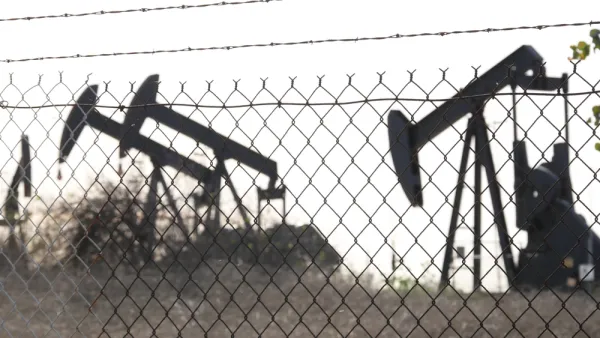
California Seals 21 Urban Oil Wells in South LA After Decades of Activism
The permanent closure of a long-troubled South Los Angeles oil site marks a hard-fought victory for residents and underscores the growing urgency of addressing hazardous idle wells in communities nationwide.
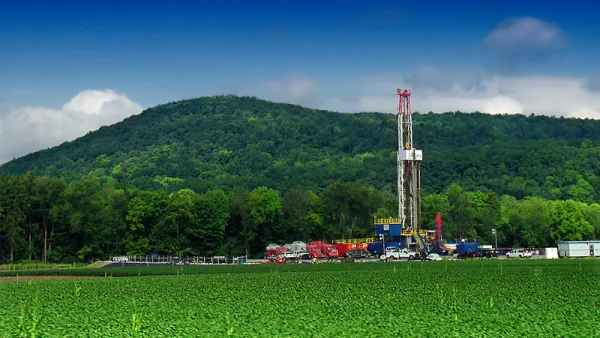
The Effort to Plug Pennsylvania’s Abandoned Oil Wells
Hundreds of thousands of defunct oil wells litter the state, leaking dangerous substances and often hidden under parking lots, buildings, or covered over by vegetation.
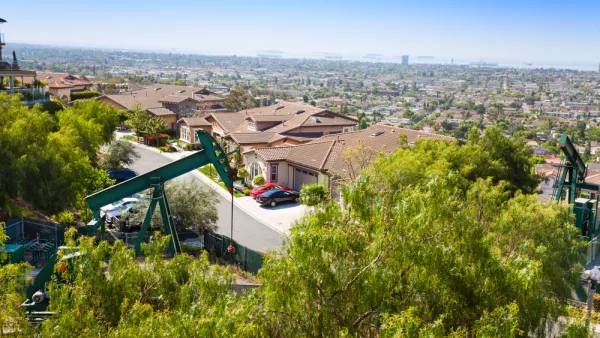
Lawsuit Challenges L.A. Oil Drilling Ban
Oil companies with operations in the city of Los Angeles are suing over an ordinance that seeks to phase out drilling within city limits due to public health and environmental concerns.

Planetizen Federal Action Tracker
A weekly monitor of how Trump’s orders and actions are impacting planners and planning in America.

The state-sanctioned urbicide of Austin
People don’t kill cities. Freeways do.

US to reduce Colorado River water deliveries to Mexico
A new Colorado Treaty amendment reduces Mexico’s Colorado River water allocation by 250,000 acre feet.

Mamdani overhauls NYC's Vision Zero plan with 100 new policy goals
The overhaul aims to reduce traffic deaths and make streets safer for pedestrians, cyclists and drivers through lower speed limits, new safety infrastructure and more.

Amtrak not solely to blame for New Jersey commuter rail's unreliability, report finds
A new study from the Garden State Initiative found that NJ Transit’s budget grew 20% across a 4 year period, but reliability declined significantly over the same period.

EPA erases limits on planet-warming pollution from power plants
Under Monday’s plan, power plants would still have some limits on how much mercury, arsenic and other contaminants they can emit.

FREE Course: Walkable City 1: Why Walkability?
After describing his path towards focusing on walkability as the essence of good planning, Jeff Speck marches through his five principal reasons for making more walkable places.
Reinventing Malls: Planning Alchemy—Turning Gray Fields Into Gold
The course focuses on the opportunities and imperatives that shape reinvention of mall sites.

Eagle County Government
Harvard University Graduate School of Design
Nashville Planning Department
The Architects Foundation
University of Cincinnati Online
The Pocatello Development Authority
The Urban Renewal Agency of the City of Pocatello
Journal of the American Planning Association