Two Phoenix school districts are selling their underused properties to build over 200 units of affordable housing.


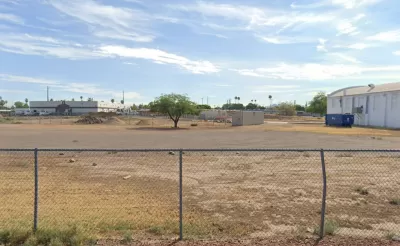
You’ve heard of ‘Yes in My Backyard’ and ‘Yes in God’s Backyard.’ How about ‘Yes in My Schoolyard’?
Two Phoenix school districts are partnering with the city to build affordable housing on unused district-owned land. According to an article in The Copper Courier, “The city will serve as an intermediary in these transactions, ensuring the land will be dedicated to affordable housing development through a Land Use Restrictive Agreement (LURA) that mandates affordable housing use for at least 40 years.”
The effort will create 264 housing units in two developments and adhere to federal affordability standards. “The units will be specifically targeted at households earning 80% or less of the area median income.”
The article notes, “The transaction structure complies with Arizona law, which permits school districts to sell property to government entities for public purposes, provided such sales don’t interfere with normal school operations.”
FULL STORY: Phoenix school districts convert unused land into 264 affordable homes

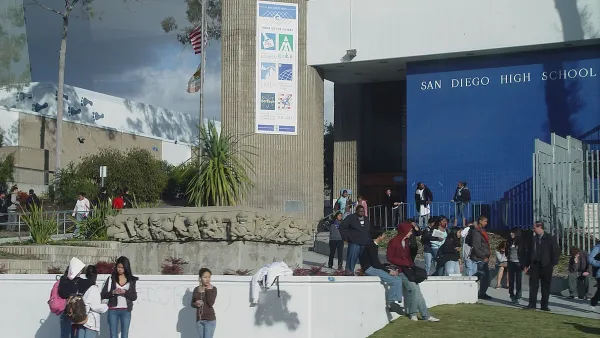
San Diego School District Approves Affordable Housing Plan
The district plans to build workforce housing for 10 percent of its employees in the next decade and explore other ways to contribute to housing development.

Fact Check: New Housing Doesn’t Lead to Overcrowded Schools
A common refrain heard by locals opposed to new housing developments is that area schools can’t absorb the increase in students they’ll bring. As the nation approaches an “enrollment cliff,” the data tells a different story.

San Jose Proposes Turning Schools into Teacher Housing, Faces Outcry
A San Jose Unified School District plan to relocate several schools and build affordable housing in their place has sparked controversy. The district says teachers increasingly can't afford to live in the area.

Planetizen Federal Action Tracker
A weekly monitor of how Trump’s orders and actions are impacting planners and planning in America.

The state-sanctioned urbicide of Austin
People don’t kill cities. Freeways do.

US to reduce Colorado River water deliveries to Mexico
A new Colorado Treaty amendment reduces Mexico’s Colorado River water allocation by 250,000 acre feet.

Mamdani overhauls NYC's Vision Zero plan with 100 new policy goals
The overhaul aims to reduce traffic deaths and make streets safer for pedestrians, cyclists and drivers through lower speed limits, new safety infrastructure and more.

Amtrak not solely to blame for New Jersey commuter rail's unreliability, report finds
A new study from the Garden State Initiative found that NJ Transit’s budget grew 20% across a 4 year period, but reliability declined significantly over the same period.

EPA erases limits on planet-warming pollution from power plants
Under Monday’s plan, power plants would still have some limits on how much mercury, arsenic and other contaminants they can emit.

FREE Course: Walkable City 1: Why Walkability?
After describing his path towards focusing on walkability as the essence of good planning, Jeff Speck marches through his five principal reasons for making more walkable places.
Reinventing Malls: Planning Alchemy—Turning Gray Fields Into Gold
The course focuses on the opportunities and imperatives that shape reinvention of mall sites.

Eagle County Government
Harvard University Graduate School of Design
Nashville Planning Department
The Architects Foundation
University of Cincinnati Online
The Pocatello Development Authority
The Urban Renewal Agency of the City of Pocatello
Journal of the American Planning Association