Average vehicle miles driven rose in almost every major metropolitan area between 2019 and 2024.


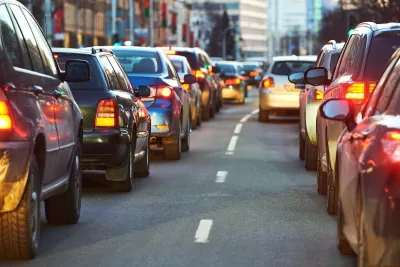
The reduction in driving brought on by the pandemic doesn’t seem to be a lasting effect, writes Linda Poon in Bloomberg CityLab. In fact, between May 2019 and May 2024, total miles traveled (VMT) in the United States grew by 12 percent to the highest level ever recorded, according to a report from StreetLight Data.
The report also suggests that VMT is rising faster now than it was when driving levels first rebounded from the pandemic in 2021 — a worrying trend for advocates working to reform transportation, the largest contributor to US carbon emissions.
VMT grew in almost every U.S. metro area and in most central city neighborhoods, including a 14.7 percent growth in New York City’s core, highlighting the potential benefits of the city’s now-canceled congestion pricing plan.
Across the country, famously car-centric Los Angeles saw a 17 percent decline in average daily VMT. “Other areas among the top five are also in California, including the Oxnard-Thousand Oaks-Ventura area with a 16% decline and the San Francisco Bay Area with a 13% decline — though the study does not dive into potential reasons for the dips.”
Brookings senior fellow Adie Tomer says more work is needed to understand why these changes happen. “Declines in VMT could be a result of deliberate urban planning and infrastructure changes to rein in driving. They could also be a consequence of remote work policies and population shifts, not only away from the metro area but within it.”
FULL STORY: US Driving and Congestion Rates Are Higher Than Ever

Vehicle Miles Travelled, Level of Service, and a Soon-to-be-Insolvent Transportation Trust Fund
Level of Service and the gas tax have served our transportation needs for a long time. Now, it’s time for a change.
Research Shows More Roads = More Driving
A national study shows, once again, that increasing road supply induces additional vehicle travel, particularly over the long run.
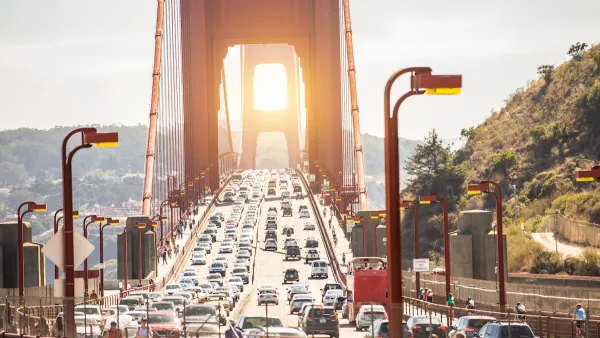
San Francisco ‘Best-Performing Metro’ for VMT, Traffic Reduction
The city saw a 13 percent drop in miles driven per capita in the last five years.

Planetizen Federal Action Tracker
A weekly monitor of how Trump’s orders and actions are impacting planners and planning in America.

The state-sanctioned urbicide of Austin
People don’t kill cities. Freeways do.

US to reduce Colorado River water deliveries to Mexico
A new Colorado Treaty amendment reduces Mexico’s Colorado River water allocation by 250,000 acre feet.

5 New England states march closer to 800 megawatt wind energy project
Securing federal approval for the project may be complicated under the Trump administration, which has historically been hostile towards domestic wind power.

Baltimore to break ground on $50 million Transit Priority Project
The project will bring faster bus trips, safer streets and better bike connections to Baltimore.

Airbnb launches $250 million 'last-dollar financing' housing accelerator, makes first investment in Austin
The company will put $6.4 million towards affordable housing development in Texas’ capital.

FREE Course: Walkable City 1: Why Walkability?
After describing his path towards focusing on walkability as the essence of good planning, Jeff Speck marches through his five principal reasons for making more walkable places.
Reinventing Malls: Planning Alchemy—Turning Gray Fields Into Gold
The course focuses on the opportunities and imperatives that shape reinvention of mall sites.

Eagle County Government
Harvard University Graduate School of Design
Nashville Planning Department
The Architects Foundation
University of Cincinnati Online
The Pocatello Development Authority
The Urban Renewal Agency of the City of Pocatello
Journal of the American Planning Association