Land acquisition makes up 15 to 20 percent of the cost of an average home in the Austin area.


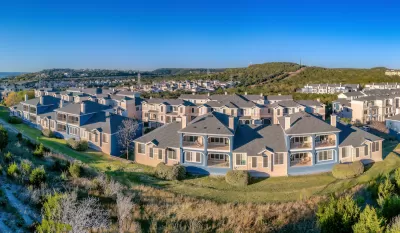
In an article for The Real Deal, Andrew Terrell outlines the city of Austin’s HOME Initiative, which takes aim at housing affordability via density and other zoning and land use changes.
As Terrell explains, “The first phase, approved in December, allowed the construction of up to three homes on single-family lots and streamlined the approval process, making it more accessible and cost-effective for developers. Since it took effect, 160 applications for 300 housing units have been filed, and more than 100 of these applications have been approved.”
Terrell adds that not all neighborhoods are eligible for immediate new development, noting, “Projects in Wildland-Urban Interface zones or areas deemed vulnerable to displacement in the University of Texas’ Uprooted Report, which identifies gentrification and displacement, will face delayed application processes to allow for additional review and consideration of potential impacts on sensitive areas of the city.”
With land acquisition making up 15 to 20 percent of the cost of a home in the Austin area, reducing lot sizes could save over $60,000 on the cost of an average home.
FULL STORY: Will Austin’s YIMBY lot-size reductions create affordable housing?

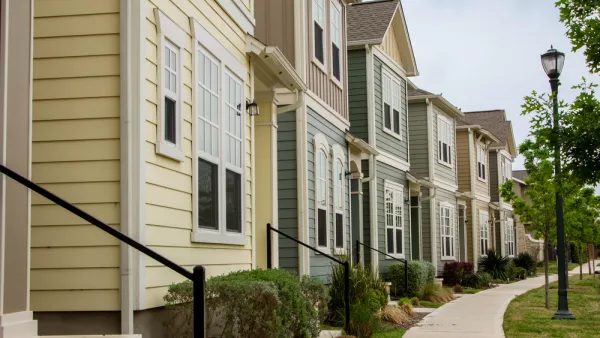
Austin Reduces Minimum Lot Size
Smaller lot sizes for single-family homes can make construction more affordable and homeownership available to more households.

LA Metro Opposes TOD Law, Fearing Backlash to Transit Expansion
Metro wants an exemption from California’s new housing law, despite the law’s potential to increase ridership by putting more housing near transit stations.
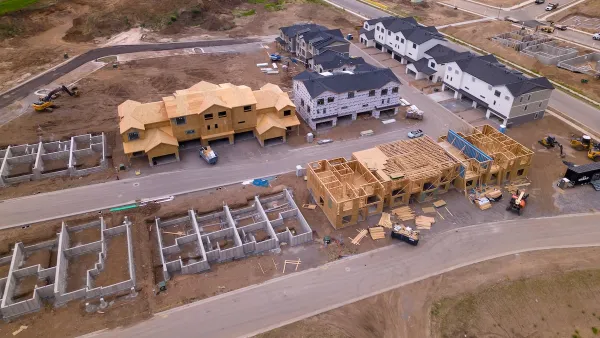
‘Montana Miracle:’ The State Actually Succeeding at Housing Reform
A series of ambitious zoning reforms is having a significant impact on the state’s housing supply.

Planetizen Federal Action Tracker
A weekly monitor of how Trump’s orders and actions are impacting planners and planning in America.

The state-sanctioned urbicide of Austin
People don’t kill cities. Freeways do.

US to reduce Colorado River water deliveries to Mexico
A new Colorado Treaty amendment reduces Mexico’s Colorado River water allocation by 250,000 acre feet.

Mamdani overhauls NYC's Vision Zero plan with 100 new policy goals
The overhaul aims to reduce traffic deaths and make streets safer for pedestrians, cyclists and drivers through lower speed limits, new safety infrastructure and more.

Amtrak not solely to blame for New Jersey commuter rail's unreliability, report finds
A new study from the Garden State Initiative found that NJ Transit’s budget grew 20% across a 4 year period, but reliability declined significantly over the same period.

EPA erases limits on planet-warming pollution from power plants
Under Monday’s plan, power plants would still have some limits on how much mercury, arsenic and other contaminants they can emit.

FREE Course: Walkable City 1: Why Walkability?
After describing his path towards focusing on walkability as the essence of good planning, Jeff Speck marches through his five principal reasons for making more walkable places.
Reinventing Malls: Planning Alchemy—Turning Gray Fields Into Gold
The course focuses on the opportunities and imperatives that shape reinvention of mall sites.

Eagle County Government
Harvard University Graduate School of Design
Nashville Planning Department
The Architects Foundation
University of Cincinnati Online
The Pocatello Development Authority
The Urban Renewal Agency of the City of Pocatello
Journal of the American Planning Association