Parking reform advocates say separating the cost of parking from rent can promote more sustainable transportation choices and reduce driving.


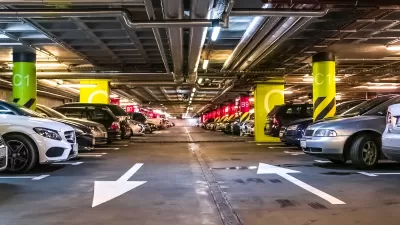
A study from Melbourne, Australia reveals that more than 40 percent of renters would be open to paying for parking separately from rent, with more than a third saying their parking needs don’t match the availability in their buildings, writes Chris McCahill in Streetsblog USA.
According to the researchers, “living in a household with two or more cars increased the odds of being receptive to unbundling off-street car-parking by over three times.”
Proponents of unbundled parking say the practice can promote more sustainable transportation choices. According to Planetizen blogger Todd Litman, “Reducing minimums and unbundling parking can typically reduce the costs of basic, lower-priced housing by 10 to 20 percent and provide thousands of dollars in annual transportation savings for households in multimodal urban neighborhoods.”
FULL STORY: Study: People Want to Pay for Parking Separately From Rent

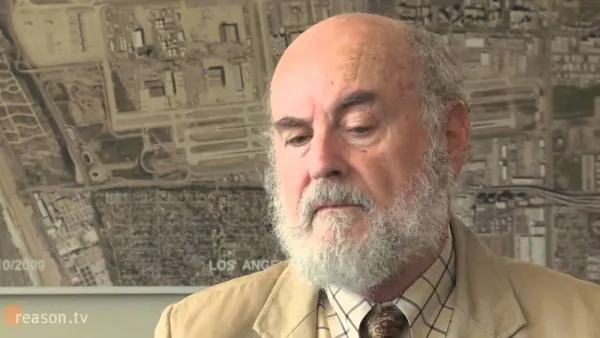
Legendary Parking Guru Donald Shoup Dies at 86
Urbanists are mourning the loss of a dynamic voice for parking reform and walkable cities.
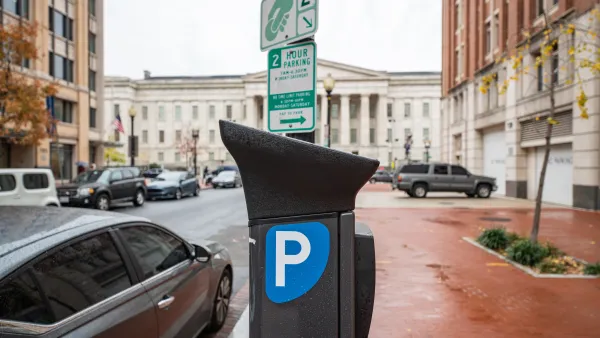
D.C. Residents Heavily Subsidize Residential Parking
The District is losing out on hundreds of thousands in potential revenue while encouraging residents to store cars on valuable public land.
The Softer Side Of Shoupism
Journalist Harry Grabar takes Prof. Don Shoup's economic theories about parking (and over-parking) and illustrates them with compelling—and terrifying—stories about the role parking plays in America's cities.

Planetizen Federal Action Tracker
A weekly monitor of how Trump’s orders and actions are impacting planners and planning in America.

The state-sanctioned urbicide of Austin
People don’t kill cities. Freeways do.

US to reduce Colorado River water deliveries to Mexico
A new Colorado Treaty amendment reduces Mexico’s Colorado River water allocation by 250,000 acre feet.

Mamdani overhauls NYC's Vision Zero plan with 100 new policy goals
The overhaul aims to reduce traffic deaths and make streets safer for pedestrians, cyclists and drivers through lower speed limits, new safety infrastructure and more.

Amtrak not solely to blame for New Jersey commuter rail's unreliability, report finds
A new study from the Garden State Initiative found that NJ Transit’s budget grew 20% across a 4 year period, but reliability declined significantly over the same period.

EPA erases limits on planet-warming pollution from power plants
Under Monday’s plan, power plants would still have some limits on how much mercury, arsenic and other contaminants they can emit.

FREE Course: Walkable City 1: Why Walkability?
After describing his path towards focusing on walkability as the essence of good planning, Jeff Speck marches through his five principal reasons for making more walkable places.
Reinventing Malls: Planning Alchemy—Turning Gray Fields Into Gold
The course focuses on the opportunities and imperatives that shape reinvention of mall sites.

Eagle County Government
Harvard University Graduate School of Design
Nashville Planning Department
The Architects Foundation
University of Cincinnati Online
The Pocatello Development Authority
The Urban Renewal Agency of the City of Pocatello
Journal of the American Planning Association