One year after the devastating Maui wildfires, UH researchers are addressing the disaster's impacts through studies on health, environmental contamination, disaster preparedness, and housing, aiming to support recovery and improve resilience.


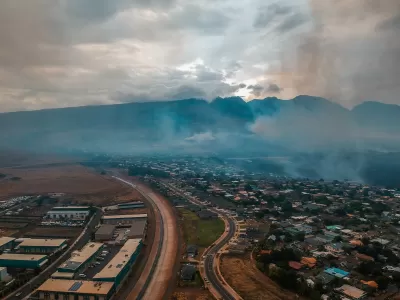
One year after the catastrophic wildfires on Maui, University of Hawai'i researchers have been actively involved in assessing and addressing the disaster's impact. Their research spans several areas, including health studies on wildfire exposure, environmental effects on coral reefs and drinking water, and innovations in disaster preparedness and response. These efforts aim to better understand and mitigate the long-term consequences of the fires on both people and the environment.
Significant studies include the Maui Wildfire Exposure Study, which monitors health outcomes for residents affected by the fire, and investigations into contamination of water sources and coastal ecosystems. Additionally, researchers are working on projects to improve disaster readiness, such as developing AI-based systems for wildfire forecasting and monitoring.
The University of Hawai'i's comprehensive approach also includes evaluating the economic impacts of the disaster, particularly the ongoing housing crisis exacerbated by the fires. Their research seeks to support recovery efforts and enhance resilience against future disasters by providing critical data and developing strategies for better preparedness and response.
FULL STORY: Maui fires 1 year on: UH research continues to assess impacts, support recovery

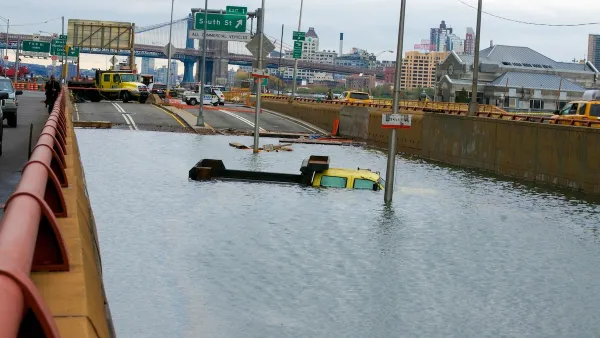
Over a Quarter of US Homes Face ‘Severe or Extreme’ Climate Risk
The number of U.S. homes at risk from hurricanes, fires, or flooding is valued at close to $13 trillion.

Rebuilding After Disaster: The Role of Social Connections in Resilience
Dr. Lucy Jones emphasizes that resilience in the face of climate-driven disasters like wildfires relies on building strong social connections, which empower communities to recover and adapt to an increasingly challenging future.
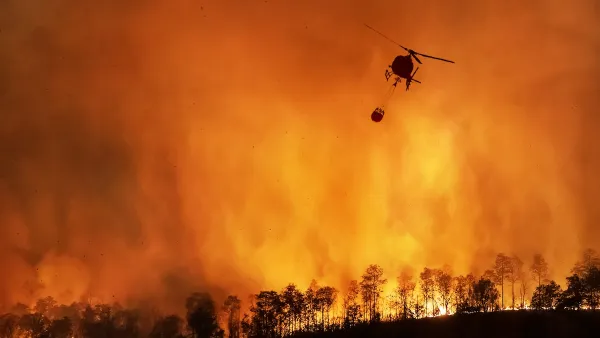
California Fire Dashboard Tracks Statewide Resilience Efforts
The online map builds a comprehensive database of fire prevention and mitigation efforts at every level of government to help agencies coordinate their work and understand the impacts of projects.

Planetizen Federal Action Tracker
A weekly monitor of how Trump’s orders and actions are impacting planners and planning in America.

The state-sanctioned urbicide of Austin
People don’t kill cities. Freeways do.

US to reduce Colorado River water deliveries to Mexico
A new Colorado Treaty amendment reduces Mexico’s Colorado River water allocation by 250,000 acre feet.

5 New England states march closer to 800 megawatt wind energy project
Securing federal approval for the project may be complicated under the Trump administration, which has historically been hostile towards domestic wind power.

Baltimore to break ground on $50 million Transit Priority Project
The project will bring faster bus trips, safer streets and better bike connections to Baltimore.

Airbnb launches $250 million 'last-dollar financing' housing accelerator, makes first investment in Austin
The company will put $6.4 million towards affordable housing development in Texas’ capital.

FREE Course: Walkable City 1: Why Walkability?
After describing his path towards focusing on walkability as the essence of good planning, Jeff Speck marches through his five principal reasons for making more walkable places.
Reinventing Malls: Planning Alchemy—Turning Gray Fields Into Gold
The course focuses on the opportunities and imperatives that shape reinvention of mall sites.

Eagle County Government
Harvard University Graduate School of Design
Nashville Planning Department
The Architects Foundation
University of Cincinnati Online
The Pocatello Development Authority
The Urban Renewal Agency of the City of Pocatello
Journal of the American Planning Association