Far from just providing shade and improving air quality, trees can also contribute to more resilient roads, lower energy costs, and reduced flood risk.


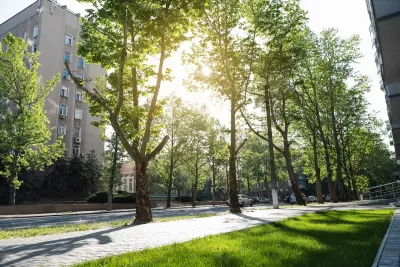
In a piece on Strong Towns, Emma Durand-Wood extols the many benefits of urban trees, which contribute to everything from cooler temperatures to cleaner air to higher property values.
Money talks. While the critical environmental benefits that trees provide (like capturing carbon, cleaning the air and supporting biodiversity) have tremendous and calculable value, advocating for trees on an environmental basis isn’t always effective.
To that end, Durand-Wood outlines some of the tangible, economic benefits of street trees. These include, surprisingly, longer lasting roads: “street trees prolong the life of road surfaces by keeping them cooler and reducing temperature fluctuations.” According to one study, the amount of shade on a street is directly correlated to the length of time needed between repaving treatments.
Another benefit: less flooding, since “A mature tree can intercept 30%-40% of rainfall before it even hits the ground.” Trees also create more comfortable and safe walking and biking conditions, provide shade at bus stops and in public spaces, and help reduce cooling bills by lowering surrounding air temperature.
Durand-Wood concludes, “Planting and maintaining street trees is an investment, but it’s one that pays for itself over and over again.” According to a USDA study, every dollar spent on planting and maintaining urban tree canopies yields between $1.37 to $3.09 in benefits.
FULL STORY: The Multitasking Marvel: How Street Trees Can Solve Many Municipal Problems

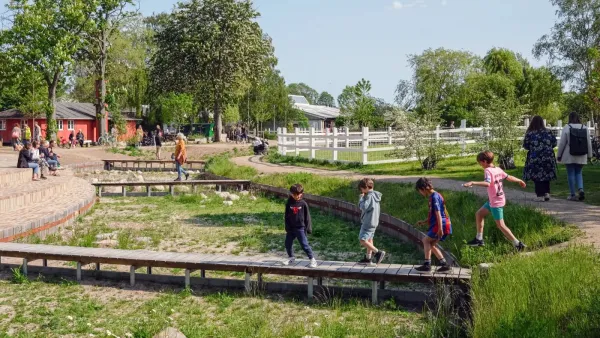
Copenhagen is losing its cool
In a city long designed to maximize light during dark Scandinavian winters, climate change is forcing the Danish capital to rethink its relationship with the sun.
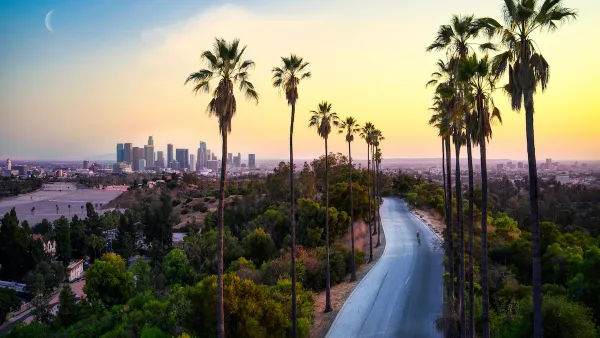
Planting for Change: How Trees Are Powering Climate Action
"Combating Climate Change with Trees" highlights how Southern California communities are strategically planting and nurturing urban forests to cool neighborhoods, improve air quality, and advance environmental justice.
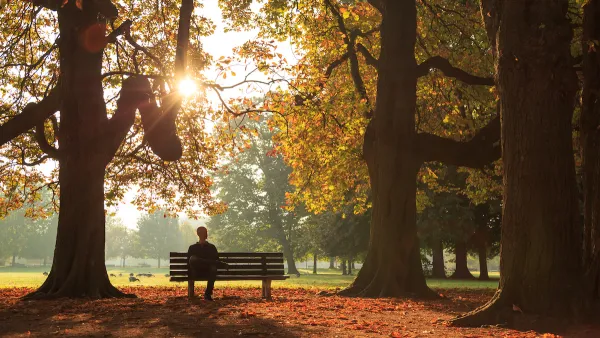
‘Smart Surfaces’ Policy Guide Offers Advice for Building and Maintaining Urban Tree Canopies
Healthy, robust tree canopies can reduce the impacts of extreme heat and improve air quality.

Planetizen Federal Action Tracker
A weekly monitor of how Trump’s orders and actions are impacting planners and planning in America.

The state-sanctioned urbicide of Austin
People don’t kill cities. Freeways do.

US to reduce Colorado River water deliveries to Mexico
A new Colorado Treaty amendment reduces Mexico’s Colorado River water allocation by 250,000 acre feet.

Mamdani overhauls NYC's Vision Zero plan with 100 new policy goals
The overhaul aims to reduce traffic deaths and make streets safer for pedestrians, cyclists and drivers through lower speed limits, new safety infrastructure and more.

Amtrak not solely to blame for New Jersey commuter rail's unreliability, report finds
A new study from the Garden State Initiative found that NJ Transit’s budget grew 20% across a 4 year period, but reliability declined significantly over the same period.

EPA erases limits on planet-warming pollution from power plants
Under Monday’s plan, power plants would still have some limits on how much mercury, arsenic and other contaminants they can emit.

FREE Course: Walkable City 1: Why Walkability?
After describing his path towards focusing on walkability as the essence of good planning, Jeff Speck marches through his five principal reasons for making more walkable places.
Reinventing Malls: Planning Alchemy—Turning Gray Fields Into Gold
The course focuses on the opportunities and imperatives that shape reinvention of mall sites.

Eagle County Government
Harvard University Graduate School of Design
Nashville Planning Department
The Architects Foundation
University of Cincinnati Online
The Pocatello Development Authority
The Urban Renewal Agency of the City of Pocatello
Journal of the American Planning Association