The Borealis line provided more than 18,500 rides since its first trips in May.


A new Amtrak passenger rail line linking St. Paul, Minnesota and Chicago turned a profit in its first month of service, a rare feat for the agency.
The Borealis line served over 18,500 passengers since it launched in May and took in $600,000 in revenue, writes Tim Harlow in the Star Tribune. The agency spent $500,000 on operations, making the Borealis one of two state-sponsored Amtrak lines (of a total of 30) to make a profit.
“Westbound trips out of Chicago saw slightly higher ridership with an average of 330 riders while eastbound trips carried about 288 passengers, according to Amtrak,” adds Harlow. “Officials say the Twin Cities-to-Milwaukee-to-Chicago route has high potential and could see even more passengers as the service matures. The line also serves several markets with colleges and universities, which could also attract students this fall, said Ray Lang, Amtrak's vice president of state-supported services.”
Other Amtrak routes also saw increases in ridership. “The Empire Builder, the other Amtrak route serving the Twin Cities, saw a 15% ridership growth from fiscal year 2022 to 2023. The train running from Chicago to the Twin Cities to Fargo-Moorhead and then to the Pacific Northwest cities of Portland and Seattle saw ridership rise from 303,500 to nearly 349,000 from October 1, 2022, to September 30, 2023, Amtrak figures show.”
FULL STORY: Amtrak's Borealis from Twin Cities to Chicago sees strong ridership, turns early profit

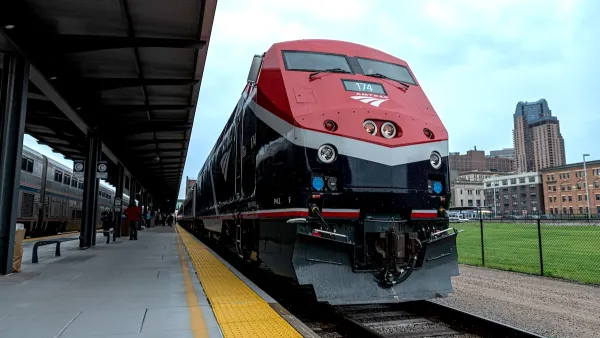
Amtrak’s Borealis Exceeds First Year Ridership Expectations
205,800 passengers have boarded the St. Paul to Chicago line, well above initial MDOT projections.
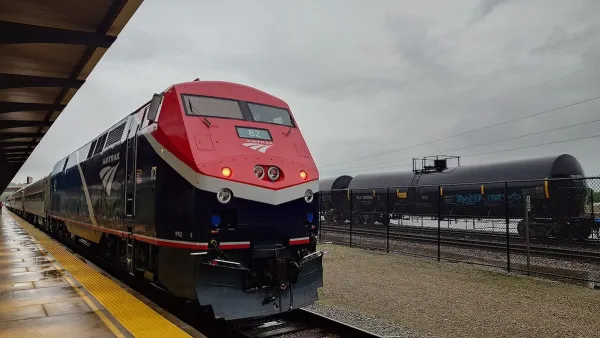
Amtrak Borealis Line Celebrates 100,000 Passengers
The St. Paul-to-Chicago train served more than 22,000 passengers in August.

The Subversive Car-Free Guide to Trump's Great American Road Trip
Car-free ways to access Chicagoland’s best tourist attractions.

Planetizen Federal Action Tracker
A weekly monitor of how Trump’s orders and actions are impacting planners and planning in America.

The state-sanctioned urbicide of Austin
People don’t kill cities. Freeways do.

US to reduce Colorado River water deliveries to Mexico
A new Colorado Treaty amendment reduces Mexico’s Colorado River water allocation by 250,000 acre feet.

5 New England states march closer to 800 megawatt wind energy project
Securing federal approval for the project may be complicated under the Trump administration, which has historically been hostile towards domestic wind power.

Baltimore to break ground on $50 million Transit Priority Project
The project will bring faster bus trips, safer streets and better bike connections to Baltimore.

Airbnb launches $250 million 'last-dollar financing' housing accelerator, makes first investment in Austin
The company will put $6.4 million towards affordable housing development in Texas’ capital.

FREE Course: Walkable City 1: Why Walkability?
After describing his path towards focusing on walkability as the essence of good planning, Jeff Speck marches through his five principal reasons for making more walkable places.
Reinventing Malls: Planning Alchemy—Turning Gray Fields Into Gold
The course focuses on the opportunities and imperatives that shape reinvention of mall sites.


Eagle County Government
Harvard University Graduate School of Design
Nashville Planning Department
The Architects Foundation
University of Cincinnati Online
The Pocatello Development Authority
The Urban Renewal Agency of the City of Pocatello
Journal of the American Planning Association