Traffic fatality rates have spiked in New York State since the pandemic, with speeding and drunk driving among the biggest catalysts.


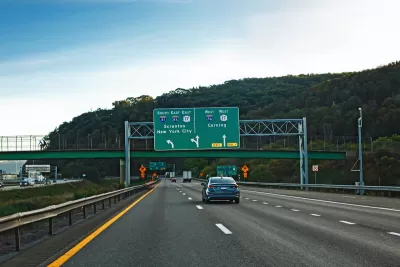
Transportation officials in New York State are facing a bit of a head-scratcher as a new report from the state comptroller found that motor vehicle fatalities rose more than 25 percent between 2019 and 2022, despite the fact that New York saw fewer vehicle miles traveled, fewer car crashes, a lower percentage of licenced drivers, an improved vehicle safety features over the same time period, according to a Times Union article by Molly Burke.
In 2022, the state saw 1,175 deaths, the highest number in nearly a decade; 25 percent of those involved pedestrians, around one-third involved speeding, and another one-third involved drunk drivers. In fact, Burke reports, “The number of deaths among drivers under the influence increased 45 percent between 2019 and 2022.” More crashes also occurred on freeways and arterial roads with higher speed limits than on local roads, according to Burke.
The report recommended New York policy makers consider legislation that (1) would lower the legal limit on blood alcohol content and (2) would allow localities to adjust their speed limits, like this year’s Sammy’s Law that allows New York City to change speed limits from 25 to 20 miles per hour and 15 to 10 miles per hour in certain areas.
FULL STORY: Traffic deaths increase in NY even as crashes decline


Who's at Fault When Self-Driving Cars Kill People?
As more autonomous vehicles hit the road and inevitably cause crashes, courts will have to contend with a complex web of responsibility when ruling on wrongful death cases.
Despite Stay-at-Home Orders, U.S. Traffic Deaths Rose in 2020
Dangerous behaviors picked up during the early, low-traffic days of the pandemic are partly to blame.
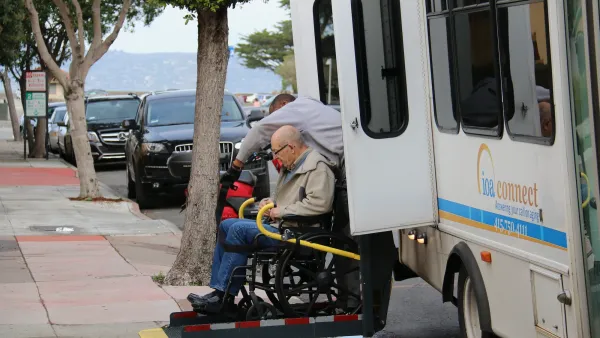
Seniors Account for 32% of Traffic Deaths in the Bay Area
Road safety interventions would help protect seniors and other vulnerable groups from traffic violence.

Planetizen Federal Action Tracker
A weekly monitor of how Trump’s orders and actions are impacting planners and planning in America.

The state-sanctioned urbicide of Austin
People don’t kill cities. Freeways do.

US to reduce Colorado River water deliveries to Mexico
A new Colorado Treaty amendment reduces Mexico’s Colorado River water allocation by 250,000 acre feet.

5 New England states march closer to 800 megawatt wind energy project
Securing federal approval for the project may be complicated under the Trump administration, which has historically been hostile towards domestic wind power.

Baltimore to break ground on $50 million Transit Priority Project
The project will bring faster bus trips, safer streets and better bike connections to Baltimore.

Airbnb launches $250 million 'last-dollar financing' housing accelerator, makes first investment in Austin
The company will put $6.4 million towards affordable housing development in Texas’ capital.

FREE Course: Walkable City 1: Why Walkability?
After describing his path towards focusing on walkability as the essence of good planning, Jeff Speck marches through his five principal reasons for making more walkable places.
Reinventing Malls: Planning Alchemy—Turning Gray Fields Into Gold
The course focuses on the opportunities and imperatives that shape reinvention of mall sites.

Eagle County Government
Harvard University Graduate School of Design
Nashville Planning Department
The Architects Foundation
University of Cincinnati Online
The Pocatello Development Authority
The Urban Renewal Agency of the City of Pocatello
Journal of the American Planning Association