Los Angeles County's popular Parks After Dark program continues to serve communities in need and offer multiple important benefits, as documented in a recent UCLA study.


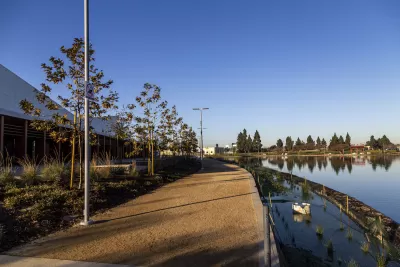
For an eight-week period each summer, the Los Angeles County Department of Parks and Recreation (DPR) extends hours of park operation by several hours at 34 participating parks, offering evening events as part of its Parks After Dark program. The program offers family entertainment (like movies, concerts, arts and crafts, and free meals), sports and recreational activities (like swimming and dance), cultural and educational programming (like healthy cooking and financial literacy classes), and employment and volunteer opportunities for youth and adults.
PAD parks also host resource fairs through which public agencies and community-based organizations provide health, social, economic, and legal resources to participants. Throughout all events, deputies from the Sheriff’s Department patrol and engage in activities alongside participants, which help to ensure safety and foster positive interactions between law enforcement and community members.
The program outcomes and benefits of PAD have been well-documented. Key findings from a new evaluation by the UCLA Center for Health Policy Research include:
- A survey of attendees in 2023 found that 93% felt safe at PAD.
- Of attendees who did not meet the recommended activity guidelines for their age, 76% participated in at least one exercise or sports program at PAD.
- The vast majority of those surveyed expressed high levels of satisfaction with 97% saying they would attend again.
For more information, including the detailed data and recommendations, please read the report available here.
Read the full story: As L.A. County nighttime recreation program expands scope, success largely continues

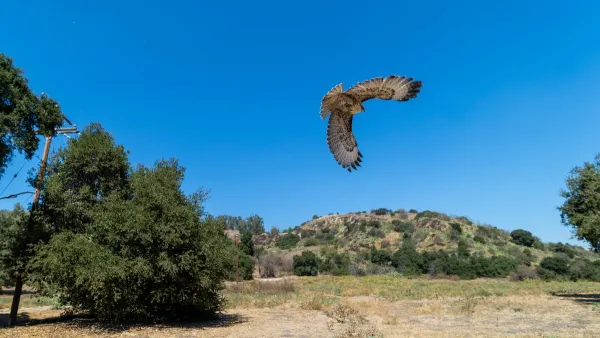
A Greener LA County: 623 Acres of New Parkland for Communities
Los Angeles County is investing $17 million to create 623 acres of new parks and open spaces, expanding access to nature, advancing equity, and enhancing community health and well-being.
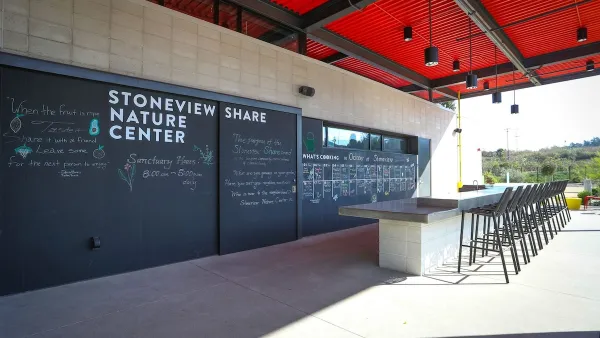
How LA County Parks are Fostering Equity
Los Angeles County's Department of Parks and Recreation actively engages the public through diverse methods to ensure parks and recreation programming align with community needs and priorities.

Spring Fun at Los Angeles County Parks
L.A. County is offering a spring edition of its popular and award-winning Parks After Dark program, providing opportunities for residents to come together and have fun in safe and welcoming spaces.

Planetizen Federal Action Tracker
A weekly monitor of how Trump’s orders and actions are impacting planners and planning in America.

The state-sanctioned urbicide of Austin
People don’t kill cities. Freeways do.

US to reduce Colorado River water deliveries to Mexico
A new Colorado Treaty amendment reduces Mexico’s Colorado River water allocation by 250,000 acre feet.

Nation's most wind-powered state turns to coal as data centers increase energy demand
For the first time in decades, Iowa has increased its generation of coal power.

NYC cools commuters with city's first rain garden above a bus stop
New York City officials say the plants in the rain garden can absorb 16 gallons of rainwater during heavy storms.

Brightline West’s future may rely on $6 billion federal loan
The company has until Nov. 2 to make a $400 million equity investment into its proposed high-speed rail line.

FREE Course: Walkable City 1: Why Walkability?
After describing his path towards focusing on walkability as the essence of good planning, Jeff Speck marches through his five principal reasons for making more walkable places.
Reinventing Malls: Planning Alchemy—Turning Gray Fields Into Gold
The course focuses on the opportunities and imperatives that shape reinvention of mall sites.

Greater Baltimore Committee
Eagle County Government
Harvard University Graduate School of Design
The Architects Foundation
University of Cincinnati Online
The Pocatello Development Authority
The Urban Renewal Agency of the City of Pocatello
Journal of the American Planning Association