The state legislature is poised to pass a law that would bring more data centers to the state, but critics say the move would threaten the state’s climate goals.


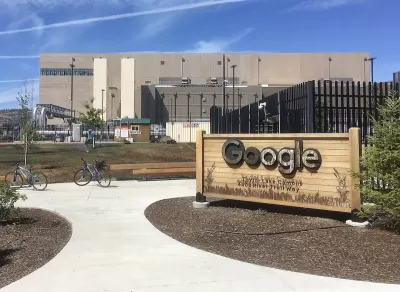
Critics of a proposed Michigan state bill aimed at attracting energy-guzzling data centers to the state say it amounts to the state backtracking on its climate and decarbonization goals.
As Tom Perkins explains in The Guardian, the massive energy draw required by data centers would likely trigger an “offramp” clause in climate legislation passed last year that would allow fossil fuel-powered plants to continue operating. “That would put an end to Michigan’s climate legislation that requires 100% renewable energy by 2040, and dramatically increase electric rates for residential customers, critics say.” In addition to electricity, data centers also consume massive amounts of water, up to 5 million gallons daily for evaporative cooling systems that critics say could be replaced with more efficient methods.
“Michigan isn’t alone, as data centers are quickly emerging as a serious threat to the nation’s climate goals. Tech companies use them to store servers and networking equipment that process the world’s digital traffic, and artificial intelligence is driving a boom,” Perkins adds. While some cities and states are wooing the companies for economic development, other places are considering bans in highly walkable commercial areas such as Atlanta’s Beltline.
FULL STORY: In threat to climate safety, Michigan to woo tech data centers with new laws

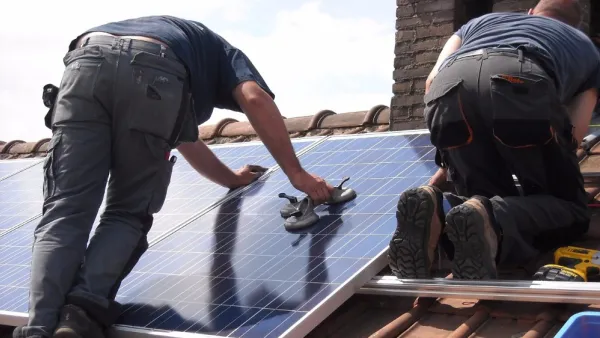
Grid Operator Calls for Two-Year Pause on Solar Projects, Citing Massive Backlog
The largest grid operator in the U.S. is asking for a new approvals process and two-year delay on current applications to ease the logjam of primarily solar projects in its queue.
Planning Trends for 2026: States and Cities Take Initiative, Passenger Rail Gains Steam, and the Costs of AI Revealed
With federal funding for everything from transportation projects to housing assistance under threat, city and state governments are poised to take a stronger role in building strong, resilient local economies and public services.
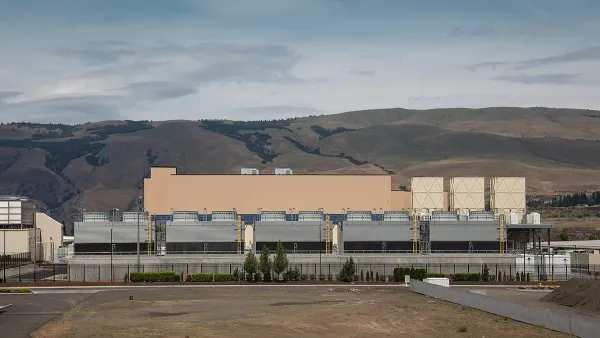
Data Centers Threaten Western Water Supplies, Power Grids
The rapidly growing need for water to cool data centers is endangering one of the West’s most essential resources.

Planetizen Federal Action Tracker
A weekly monitor of how Trump’s orders and actions are impacting planners and planning in America.

The state-sanctioned urbicide of Austin
People don’t kill cities. Freeways do.

US to reduce Colorado River water deliveries to Mexico
A new Colorado Treaty amendment reduces Mexico’s Colorado River water allocation by 250,000 acre feet.

5 New England states march closer to 800 megawatt wind energy project
Securing federal approval for the project may be complicated under the Trump administration, which has historically been hostile towards domestic wind power.

Baltimore to break ground on $50 million Transit Priority Project
The project will bring faster bus trips, safer streets and better bike connections to Baltimore.

Airbnb launches $250 million 'last-dollar financing' housing accelerator, makes first investment in Austin
The company will put $6.4 million towards affordable housing development in Texas’ capital.

FREE Course: Walkable City 1: Why Walkability?
After describing his path towards focusing on walkability as the essence of good planning, Jeff Speck marches through his five principal reasons for making more walkable places.
Reinventing Malls: Planning Alchemy—Turning Gray Fields Into Gold
The course focuses on the opportunities and imperatives that shape reinvention of mall sites.


Eagle County Government
Harvard University Graduate School of Design
Nashville Planning Department
The Architects Foundation
University of Cincinnati Online
The Pocatello Development Authority
The Urban Renewal Agency of the City of Pocatello
Journal of the American Planning Association