The rapidly growing demand for electricity could lead to shortages and is already impacting where data centers are built.


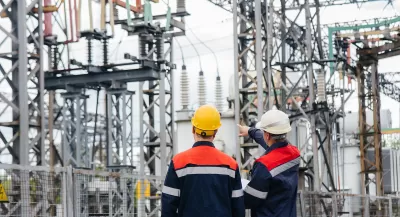
The growing ubiquity of artificial intelligence poses a serious challenge to worldwide energy grids, writes Dan Lohrmann in GovTech.
Citing multiple news stories ranging in tone from alarm to boosterism, Lohrmann assesses the landscape and how experts perceive the future of AI versus energy conservation. An article in Barrons notes that “While AI’s surging demand may not lead to mass electrical outages, the AI boom is already changing how data centers are built and where they’re located, and it’s already sparking a reshaping of U.S. energy infrastructure.”
According to an article in New Scientist, “Over the next several years, many regions of the U.S. and Canada may struggle to ensure a reliable electricity supply amid soaring energy demand from the tech industry and electrification of buildings and vehicles.”
The North American Electric Reliability Corporation (NERC) agreed, projecting widespread electricity shortages during extreme weather conditions. According to research from the AI Now Institute, which studies the social impacts of AI, “At current growth rates, some new AI servers could soon gobble up more than 85 terawatt hours of electricity each year, researchers have estimated — more than some small nations’ annual energy consumption.”
FULL STORY: AI's Energy Appetite: Challenges for Our Future Electricity Supply


US May Have 100 Times More Blackouts by 2030
Rising demand driven by AI data centers and uncertain energy sources could lead to a surge in power outages by the end of the decade.

Ohio Forces Data Centers to Prepay for Power
Utilities are calling on states to hold data center operators responsible for new energy demands to prevent leaving consumers on the hook for their bills.
California Bills Would Rein in Data Centers’ Energy Use
A series of proposed bills seeks to limit ratepayer increases and ensure data centers report their energy usage and electricity sources.

Planetizen Federal Action Tracker
A weekly monitor of how Trump’s orders and actions are impacting planners and planning in America.

The state-sanctioned urbicide of Austin
People don’t kill cities. Freeways do.

US to reduce Colorado River water deliveries to Mexico
A new Colorado Treaty amendment reduces Mexico’s Colorado River water allocation by 250,000 acre feet.

5 New England states march closer to 800 megawatt wind energy project
Securing federal approval for the project may be complicated under the Trump administration, which has historically been hostile towards domestic wind power.

Baltimore to break ground on $50 million Transit Priority Project
The project will bring faster bus trips, safer streets and better bike connections to Baltimore.

Airbnb launches $250 million 'last-dollar financing' housing accelerator, makes first investment in Austin
The company will put $6.4 million towards affordable housing development in Texas’ capital.

FREE Course: Walkable City 1: Why Walkability?
After describing his path towards focusing on walkability as the essence of good planning, Jeff Speck marches through his five principal reasons for making more walkable places.
Reinventing Malls: Planning Alchemy—Turning Gray Fields Into Gold
The course focuses on the opportunities and imperatives that shape reinvention of mall sites.

Eagle County Government
Harvard University Graduate School of Design
Nashville Planning Department
The Architects Foundation
University of Cincinnati Online
The Pocatello Development Authority
The Urban Renewal Agency of the City of Pocatello
Journal of the American Planning Association