Public parks, libraries, and other social infrastructure foster community connections and stave off loneliness. Why are they increasingly deprioritized in civic life?


In a piece for the Deseret News, Mariya Manzhos, explaining her own experiences with public spaces during the pandemic and early motherhood, highlights the ways that public parks and other ‘social infrastructure’ are shown to reduce social isolation and foster a sense of community. For Manzhos, easy access to local libraries, parks, and shops alleviates some of the inconveniences of cramped urban life.
According to sociologist Eric Klinenberg, social infrastructure “is especially beneficial for children, the elderly and those who are limited to move beyond the places where they live. It’s the communal gathering places that might also foster a sense of civic responsibility.”
Also known as ‘third places,’ communal gathering places have long been touted by urbanists and sociologists as an important part of urban communities, fostering connection and interaction. “Studies have shown that just having a diversity of folks in your life … more informal and infrequent and unplanned, can be really protective for health and well-being,” says Jessica Finlay, an assistant professor in the Institute of Behavioral Science and the department of geography at the University of Colorado, Boulder.
FULL STORY: Can public parks save us from loneliness?

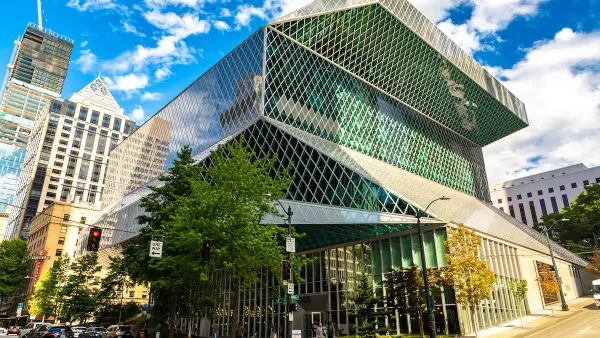
Public Libraries May Be More Relevant Than Ever
Libraries around the country are expanding their services in an effort to become ‘third spaces’ for the community.
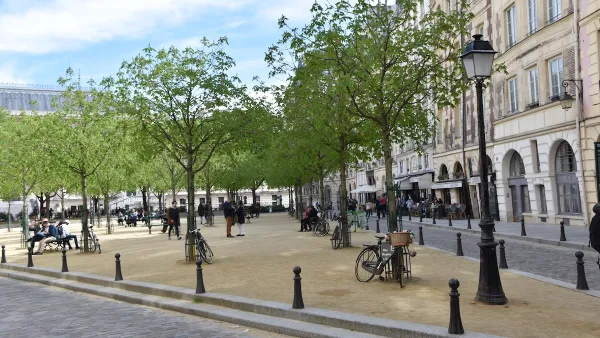
Lost and Found: Fighting Loneliness With Parks and Third Places
To combat the epidemic of loneliness, Susan Henderson's evocative photos of “third places” reflect on how these spaces have evolved and their importance in fostering connection.
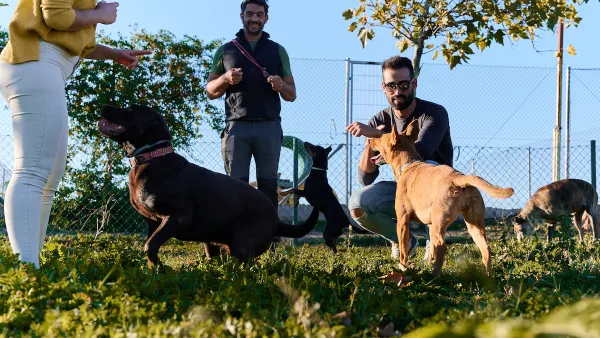
Fighting the ‘Loneliness Epidemic’ in Cities
While urban design alone can’t mend the tears in our social fabric, planning decisions and thoughtful, inclusive design can offer or hinder opportunities for interaction.

Planetizen Federal Action Tracker
A weekly monitor of how Trump’s orders and actions are impacting planners and planning in America.

The state-sanctioned urbicide of Austin
People don’t kill cities. Freeways do.

US to reduce Colorado River water deliveries to Mexico
A new Colorado Treaty amendment reduces Mexico’s Colorado River water allocation by 250,000 acre feet.

Amtrak not solely to blame for New Jersey commuter rail's unreliability, report finds
A new study from the Garden State Initiative found that NJ Transit’s budget grew 20% across a 4 year period, but reliability declined significantly over the same period.

EPA erases limits on planet-warming pollution from power plants
Under Monday’s plan, power plants would still have some limits on how much mercury, arsenic and other contaminants they can emit.

Phoenix announces new on-demand transit service, more frequent RAPID buses
Both new services will launch in October, and are part of Phoenix's Project Effective Access Solutions for Easing Congestion.

FREE Course: Walkable City 1: Why Walkability?
After describing his path towards focusing on walkability as the essence of good planning, Jeff Speck marches through his five principal reasons for making more walkable places.
Reinventing Malls: Planning Alchemy—Turning Gray Fields Into Gold
The course focuses on the opportunities and imperatives that shape reinvention of mall sites.

Eagle County Government
Harvard University Graduate School of Design
Nashville Planning Department
The Architects Foundation
University of Cincinnati Online
The Pocatello Development Authority
The Urban Renewal Agency of the City of Pocatello
Journal of the American Planning Association