Cities and states have until the end of the year to decide how to spend federal affordable housing dollars.


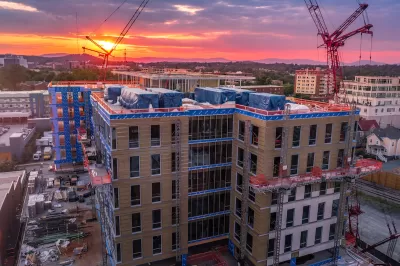
In an opinion piece in Governing, Colby Sledge outlines the key decisions local lawmakers will need to make soon to avoid losing federal funding allocated for affordable housing in the American Rescue Plan Act. Localities have until the end of 2024 to allocate funds and until the end of 2026 to spend them, Sledge notes. “Looking to the future, local housing and planning departments can and should make the argument now for protecting their affordable-housing spending so the funds don’t get plundered in the upcoming budgetary cycle.”
According to Sledge, governments could allocate funds to recapitalizing existing projects such as supportive housing, building capacity with technical and policy assistance and supporting a more favorable building environment, and allocating funds to housing trusts and bridge loan funds that can fund the rehabilitation of existing housing and support long-term affordable housing development. “In localities where no such fund currently exists, localities may use ARPA dollars to fund the technical assistance needed to create one, while seeding the fund in future years through other revenue sources.”
Read the full story: Opinion: The Need to Protect Unspent Affordable Housing Money
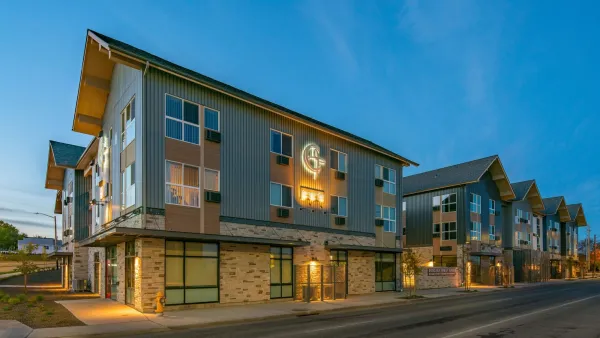
When churches become builders: New data chronicles the rise of the YIGBY movement
More and more churches want to use their land to build affordable housing. The public sector can help.
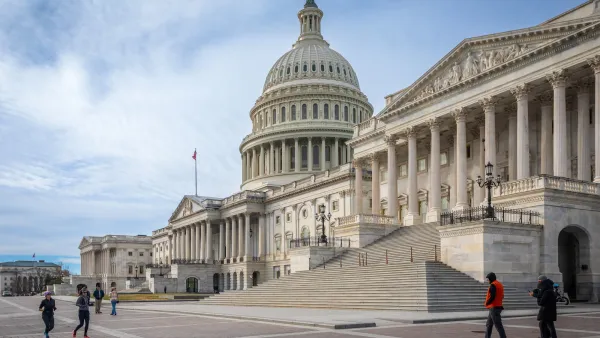
Senate passes bipartisan housing bill
The Senate version of the 21st Century ROAD to Housing Act now heads to the House for a vote.
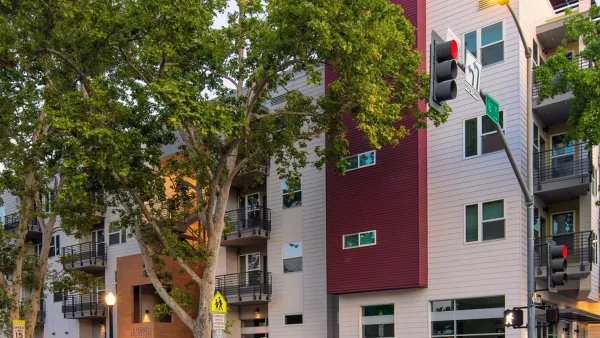
New Washington State Law Lets Cities Give Social Housing Developers City-owned Land
In its current form, HB 1687, which authorizes local governments to assist social housing agencies with land or other resources, only applies to Seattle.

Planetizen Federal Action Tracker
A weekly monitor of how Trump’s orders and actions are impacting planners and planning in America.

California plans to bury El Niño’s downpour
If the state plays its cards right, it may be able to store a billion acre-feet of El Niño’s water in aquifers.

Desperate measures: Advocates weigh draining Lake Powell to fill Colorado River
Draining the reservoir could reduce evaporation losses by a couple hundred thousand acre-feet.

In Texas, data centers are swallowing promised parkland
Residents who moved to Taylor, Texas for a rural community now have to contend with three data centers in their backyard.

How a Chicago-sized wind farm beat the odds and powered on
The project spanned five presidential administrations and a standoff with a U.S. military base.

MTA gives itself 30 days to transform pit into basketball court
The site has been under construction since 2022; the city originally estimated it would finish the court in 2024.

FREE Course: Walkable City 1: Why Walkability?
After describing his path towards focusing on walkability as the essence of good planning, Jeff Speck marches through his five principal reasons for making more walkable places.
Reinventing Malls: Planning Alchemy—Turning Gray Fields Into Gold
The course focuses on the opportunities and imperatives that shape reinvention of mall sites.

City of Rosemead
Rutgers University, Edward J. Bloustein School of Planning and Public Policy
One Hundred Miles
Hunter College, City University of New York (CUNY)
The Architects Foundation
University of Cincinnati Online
City of Cambridge
Montrose County
The Pocatello Development Authority