The Clean Water Act mandates reporting of ‘impaired waters’ to support conservation and restoration efforts.


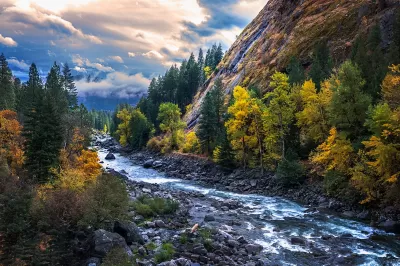
A new report from the Government Accountability Office (GAO) reveals that Washington state is years behind on reporting polluted waterways. In an article for High Country News, Kylie Mohr describes the requirements set out by the Clean Water Act, which “requires each state to maintain a list of water bodies that don’t meet federal standards and submit an update to the Environmental Protection Agency every two years.” The lists are designed to help government agencies and the public understand local conditions and risks and prioritize cleanup efforts.
According to the GAO report, Washington has missed submission deadlines since 2012. “State officials attributed the backlog to the number and complexity of Washington’s water bodies and the amount of data collected by other agencies, saying it takes time to bring everything together.” The state also consults with dozens of tribal communities affected by conservation efforts.
Washington Department of Ecology Director Laura Watson, in a written response to the report, said “Ecology disagrees with the report’s focus on the timeliness of the state’s impaired waters lists as a key component of salmon recovery in Washington.”
FULL STORY: Washington lags behind in water-pollution oversight

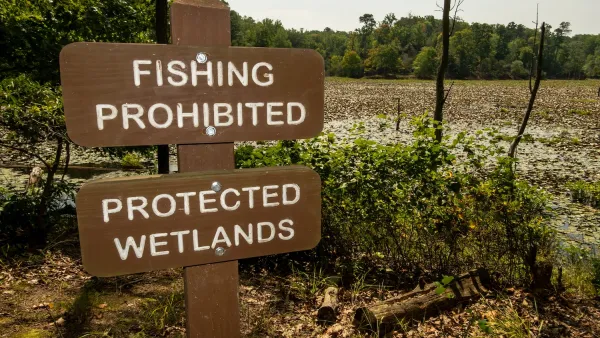
Proposed EPA Rule Change Would Exclude Millions of Acres of Wetlands and Waterways From Federal Protection
A proposed change to the Waters of the United States Rule would narrow the definition of protected waterways.
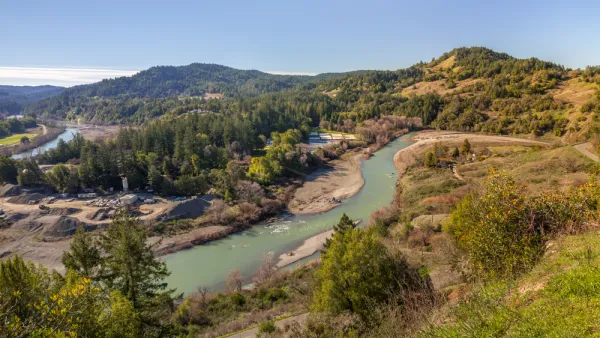
The Nation’s Most Endangered Rivers
An annual list from American Rivers highlights the waterways most at risk from climate change, poor water management, pollution, and other dangers.
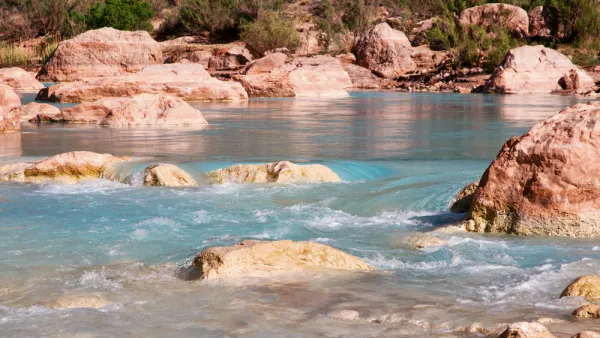
Fifty Years After the Clean Water Act, Half of U.S. Waters Are Unsafe for Humans and Fish
A study of U.S. waterways shows that around half of lakes, rivers, and streams in the U.S. are too toxic to swim or fish in.

The state-sanctioned urbicide of Austin
People don’t kill cities. Freeways do.

US to reduce Colorado River water deliveries to Mexico
A new Colorado Treaty amendment reduces Mexico’s Colorado River water allocation by 250,000 acre feet.

New Jersey’s second-largest city bans standalone data centers
Jersey City will continue to allow co-location facilities, such as those meant for research institutions that store their own data.

Amtrak not solely to blame for New Jersey commuter rail's unreliability, report finds
A new study from the Garden State Initiative found that NJ Transit’s budget grew 20% across a 4 year period, but reliability declined significantly over the same period.

EPA erases limits on planet-warming pollution from power plants
Under Monday’s plan, power plants would still have some limits on how much mercury, arsenic and other contaminants they can emit.

Phoenix announces new on-demand transit service, more frequent RAPID buses
Both new services will launch in October, and are part of Phoenix's Project Effective Access Solutions for Easing Congestion.

FREE Course: Walkable City 1: Why Walkability?
After describing his path towards focusing on walkability as the essence of good planning, Jeff Speck marches through his five principal reasons for making more walkable places.
Reinventing Malls: Planning Alchemy—Turning Gray Fields Into Gold
The course focuses on the opportunities and imperatives that shape reinvention of mall sites.

Eagle County Government
Harvard University Graduate School of Design
Nashville Planning Department
The Architects Foundation
University of Cincinnati Online
The Pocatello Development Authority
The Urban Renewal Agency of the City of Pocatello
Journal of the American Planning Association