Starting December 17, 14 Metrobus routes will run around the clock to better serve essential workers and visitors.


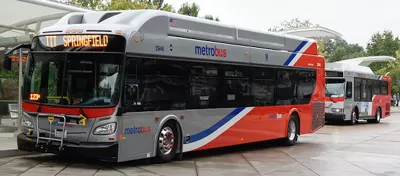
The Washington Metropolitan Area Transit Authority (WMATA) announced it will expand Metrobus service to 24 hours a day on 14 bus routes starting December 17, according to an article in Mass Transit. “These high ridership routes on key corridors will predominantly support late-night and early-morning essential workers in hospitality, healthcare and entertainment industries.”
The expansion comes after an agreement with the District of Columbia brought more funding to WMATA. “WMATA says the 24/7 DC Bus Service will help support Washington, D.C.’s, growing economic vitality and diversity. Many of the selected bus routes run through the city’s late night hot spots and entertainment venues, providing those who enjoy the nightlife and late-night workers better transit options.” The new service will include ‘courtesy stops,’ letting passengers request to be let off between stops during nighttime hours.
Read the full story: WMATA to expand Metrobus service to 24 hours starting Dec. 17

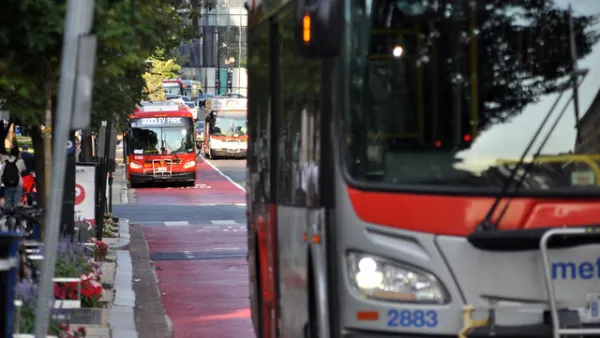
D.C. Buses to Begin All-Door Boarding
Some bus lines will start letting riders board through both front and back doors this fall as part of Metro’s efforts to improve service speed and reliability.
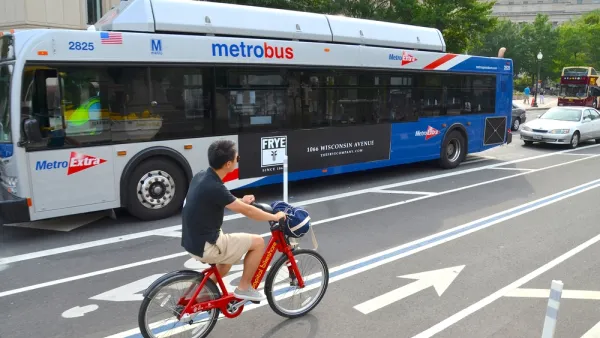
Report Lays Out a New Path for Bus Service in the D.C. Region
Ridership on the WMATA bus system, down an estimated 13 percent between 2012 and 2017, will need drastic innovations to reverse, according to a new report by the Bus Transformation project.
7 Transformational Ideas for D.C. Bus Service
David Alpert and DW Rowlands of Greater Greater Washington share their hopes for a planned review of D.C.'s bus system.

Planetizen Federal Action Tracker
A weekly monitor of how Trump’s orders and actions are impacting planners and planning in America.

California plans to bury El Niño’s downpour
If the state plays its cards right, it may be able to store a billion acre-feet of El Niño’s water in aquifers.

Chicago breaks ground on $3 billion megadevelopment
The new neighborhood, titled Foundry Park, will one day host 3,700 residences.

Satanic Place Names
From streams and lakes to valleys and canyons, I mapped more than 1,000 places named after the Devil.

California High-Speed Rail Authority CEO resigns after $600,000 scandal
Under Ian Choudri, the authority used taxpayer dollars to fund first class flights and trips to nightclubs.

Want to study the Missouri River? Soon, you may need unanimous approval from 10 states
Legislation would require 10 governors’ permission to study or build projects moving water outside the basin.

FREE Course: Walkable City 1: Why Walkability?
After describing his path towards focusing on walkability as the essence of good planning, Jeff Speck marches through his five principal reasons for making more walkable places.
Reinventing Malls: Planning Alchemy—Turning Gray Fields Into Gold
The course focuses on the opportunities and imperatives that shape reinvention of mall sites.

City of Rosemead
Rutgers University, Edward J. Bloustein School of Planning and Public Policy
One Hundred Miles
Hunter College, City University of New York (CUNY)
The Architects Foundation
University of Cincinnati Online
City of Cambridge
Montrose County
The Pocatello Development Authority