State agencies want the city to speed up its alarmingly slow permitting process.



According to an article by Marisa Lagos for KQED, “California housing authorities are demanding a host of changes to the way San Francisco approves new housing following a yearlong state review into the city’s notoriously difficult permitting process.”
A report from the California Department of Housing and Community Development (HCD) concluded that the city’s processes make it too easy for even one individual to stall or stop projects. The city has the longest timeline in the state for approvals of housing projects. “The city also received the most complaints about potential violations of state housing laws of any California jurisdiction, nearly double the next city’s.”
“Among the key problems identified in the 44-page report are the city’s practice of making all permitting discretionary — that is, subject to review by city officials — and allowing appeals after a project has already been approved, and its local laws that add more onerous requirements to state environmental law, and go far beyond what’s required.”
The report calls for 18 specific changes the city must make. The city “must revise laws governing the permitting process by 2026 and eliminate additional environmental requirements within one to three years.”
Read the full story: San Francisco Takes Forever to Approve New Housing. California Officials Are Forcing Change

Analysis: DC needs tens of thousands of new homes — not just 'zoned capacity'
Estimates for Washington DC's housing needs range from 15,000 to 170,000.
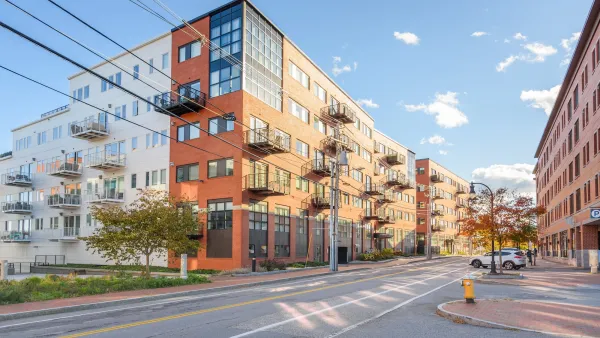
Portland approved a record number of homes last year — but far fewer got built
The bulk of new permits are part of large projects that may never actually get built.
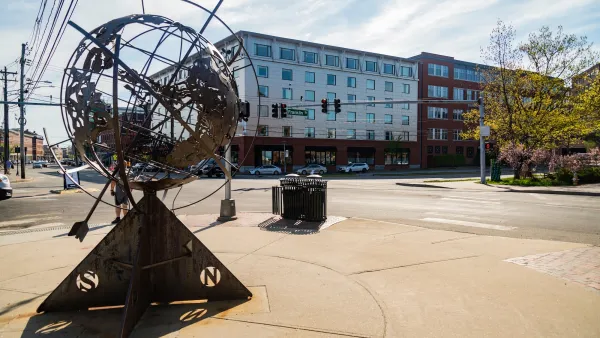
New Maine Database Will Track Housing Growth
A new state law requires municipalities to submit records comparing housing permits and completed units for each year since 2010.

Planetizen Federal Action Tracker
A weekly monitor of how Trump’s orders and actions are impacting planners and planning in America.

California plans to bury El Niño’s downpour
If the state plays its cards right, it may be able to store a billion acre-feet of El Niño’s water in aquifers.

Desperate measures: Advocates weigh draining Lake Powell to fill Colorado River
Draining the reservoir could reduce evaporation losses by a couple hundred thousand acre-feet.

In Texas, data centers are swallowing promised parkland
Residents who moved to Taylor, Texas for a rural community now have to contend with three data centers in their backyard.

How a Chicago-sized wind farm beat the odds and powered on
The project spanned five presidential administrations and a standoff with a U.S. military base.

MTA gives itself 30 days to transform pit into basketball court
The site has been under construction since 2022; the city originally estimated it would finish the court in 2024.

FREE Course: Walkable City 1: Why Walkability?
After describing his path towards focusing on walkability as the essence of good planning, Jeff Speck marches through his five principal reasons for making more walkable places.
Reinventing Malls: Planning Alchemy—Turning Gray Fields Into Gold
The course focuses on the opportunities and imperatives that shape reinvention of mall sites.

City of Rosemead
Rutgers University, Edward J. Bloustein School of Planning and Public Policy
One Hundred Miles
Hunter College, City University of New York (CUNY)
The Architects Foundation
University of Cincinnati Online
City of Cambridge
Montrose County
The Pocatello Development Authority