The changes, part of the mayor’s Downtown Activation Plan, make way for more residential development in the city’s downtown core.


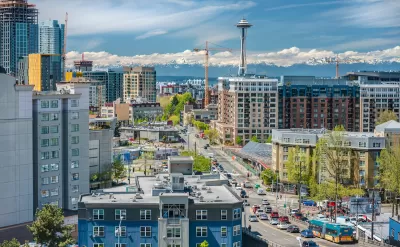
The Seattle City Council approved several rezoning changes proposed by Mayor Bruce Harrell in the Downtown Activation Plan (DAP).
According to Doug Trumm, writing in The Urbanist, the changes include a residential 440-foot highrise rezone in the Downtown Retail Core, a change that encourages residential high-rises and could incentivize a new downtown school, and a rezoning of Belltown that will allow hotel uses. That rezone area “covers about eight blocks and has nine vacant properties currently used as surface parking lots.”
The mayor’s other proposals include “extending the life of land use and building entitlements and permits, waiving or modifying development standards to encourage tower office-to-residential conversions, incentivizing childcare with extra building heights, allowing a variety of less active uses at street level (e.g., office, lab space, residential building amenities), and facilitating retail and entertainment uses at all levels of a building in downtown zones.”
The changes come ahead of the Seattle Comprehensive Plan Major Update, which the city must complete in 2024 and purports to make way for 120,000 new housing units over the next two decades.
Read the full story: Seattle Council Approves Batch of Harrell’s Downtown Activation Plan Rezones


Seattle’s Upzoning Plan is Ambitious, Light on Details
The city passed a ‘bare-bones’ framework to comply with state housing laws that paves the way for more middle housing, but the debate over how and where to build is just getting started.

San Diego wants to limit upzoning law to just 16% of transit-adjacent parcels
The city's planning director says some areas are unfit for immediate upzoning due to a lack of resources or hazards such as wildfire risk.
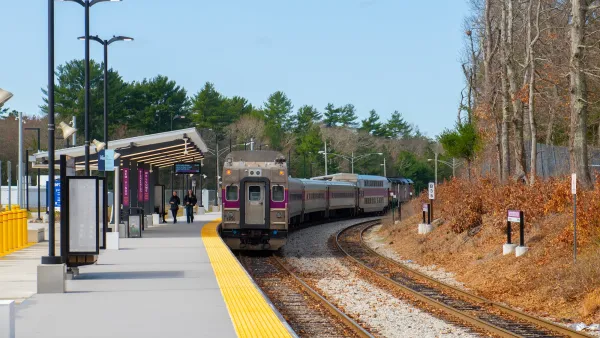
Over 90% of Massachusetts Towns Have Changed Zoning to Comply With MBTA Communities Law
Massachusetts municipalities have until December 31 to adjust their zoning codes or face the potential loss of state funding.

Planetizen Federal Action Tracker
A weekly monitor of how Trump’s orders and actions are impacting planners and planning in America.

California plans to bury El Niño’s downpour
If the state plays its cards right, it may be able to store a billion acre-feet of El Niño’s water in aquifers.

Chicago breaks ground on $3 billion megadevelopment
The new neighborhood, titled Foundry Park, will one day host 3,700 residences.

Satanic Place Names
From streams and lakes to valleys and canyons, I mapped more than 1,000 places named after the Devil.

California High-Speed Rail Authority CEO resigns after $600,000 scandal
Under Ian Choudri, the authority used taxpayer dollars to fund first class flights and trips to nightclubs.

Want to study the Missouri River? Soon, you may need unanimous approval from 10 states
Legislation would require 10 governors’ permission to study or build projects moving water outside the basin.

FREE Course: Walkable City 1: Why Walkability?
After describing his path towards focusing on walkability as the essence of good planning, Jeff Speck marches through his five principal reasons for making more walkable places.
Reinventing Malls: Planning Alchemy—Turning Gray Fields Into Gold
The course focuses on the opportunities and imperatives that shape reinvention of mall sites.

City of Rosemead
Rutgers University, Edward J. Bloustein School of Planning and Public Policy
One Hundred Miles
Hunter College, City University of New York (CUNY)
The Architects Foundation
University of Cincinnati Online
City of Cambridge
Montrose County
The Pocatello Development Authority