The Tampa MOVES plan would spend $2 billion to relieve congestion, reduce traffic collisions, and improve mobility equity in the city.


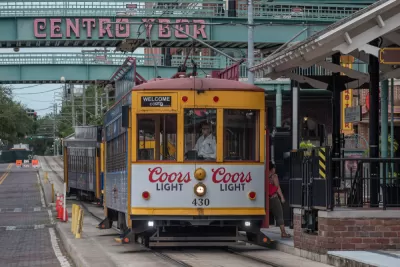
Tampa city officials recently unveiled the Tampa MOVES 30-year mobility plan, which would direct $2 billion to mitigate traffic congestion while also improving equity outcomes around the city. The MOVES acronym stands for “Mobility for All,” “Opportunity,” “Vision,” “Equity,” and “Public Safety,” according to the city website set up to share information about the plan.
Meghan Bowman reports on TAMPA MOVES for WUSF, noting that the plan will be “carried out in conjunction with the city’s efforts to eliminate all fatal and serious injury crashes,” or Vision Zero. Tamps, along with other cities in the state of Florida, is consistently ranked among the most dangerous for pedestrians and people on bikes.
“More road crossings, sidewalks, and bike lanes will be added under the plan. It also includes repairs for damaged roads and offers relief to streets that are congested with traffic,” reports Bowman to provide more details about the plan entails.
Tampa MOVES grew out of Tampa Mayor Jane Castor’s “Transforming Tampa’s Tomorrow” strategic planning initiative completed in 2019. More on Tampa MOVES can be found in a press release published on the Tampa government website.
Read the full story: Tampa officials reveal a $2 billion plan to improve the city's infrastructure

Seattle Releases Draft 20-Year Transportation Plan
The draft Seattle Transportation Plan proposes an ambitious agenda for the next 20 years of transportation planning in the city of Seattle.
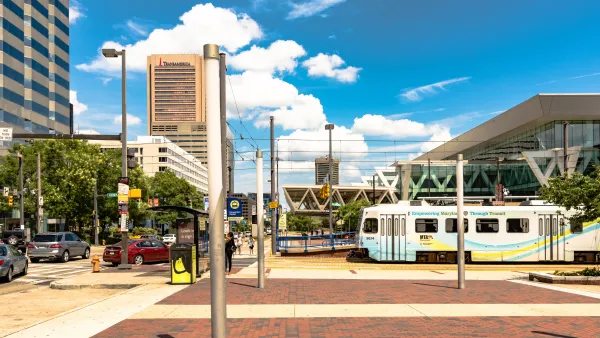
Baltimore Close to Approving $70 Billion Transportation Plan
The region’s proposed long-range plan includes over $11 billion for transit projects.
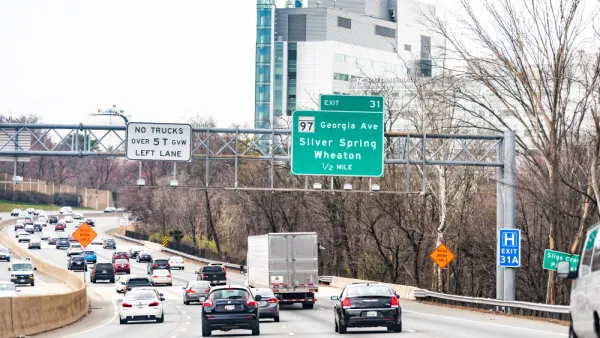
New Long-Range Transportation Plan for the D.C. Region Will Include a Climate Addendum
The National Capital Region Transportation Planning Board has almost completed the latest version fo the Visualize 2045 long-range transportation plan, but it is already making plans to add a climate plan to the final product.

Planetizen Federal Action Tracker
A weekly monitor of how Trump’s orders and actions are impacting planners and planning in America.

California plans to bury El Niño’s downpour
If the state plays its cards right, it may be able to store a billion acre-feet of El Niño’s water in aquifers.

Desperate measures: Advocates weigh draining Lake Powell to fill Colorado River
Draining the reservoir could reduce evaporation losses by a couple hundred thousand acre-feet.

In Texas, data centers are swallowing promised parkland
Residents who moved to Taylor, Texas for a rural community now have to contend with three data centers in their backyard.

How a Chicago-sized wind farm beat the odds and powered on
The project spanned five presidential administrations and a standoff with a U.S. military base.

MTA gives itself 30 days to transform pit into basketball court
The site has been under construction since 2022; the city originally estimated it would finish the court in 2024.

FREE Course: Walkable City 1: Why Walkability?
After describing his path towards focusing on walkability as the essence of good planning, Jeff Speck marches through his five principal reasons for making more walkable places.
Reinventing Malls: Planning Alchemy—Turning Gray Fields Into Gold
The course focuses on the opportunities and imperatives that shape reinvention of mall sites.

City of Rosemead
Rutgers University, Edward J. Bloustein School of Planning and Public Policy
One Hundred Miles
Hunter College, City University of New York (CUNY)
The Architects Foundation
University of Cincinnati Online
City of Cambridge
Montrose County
The Pocatello Development Authority