Building hospitals and other health-oriented facilities on former brownfield sites can benefit the community, but can also perpetuate historic inequities and exploit undervalued land at the expense of local residents.


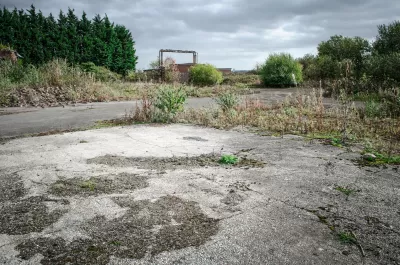
In an excerpt from Health Colonialism: Urban Wastelands and Hospital Frontiers republished in Next City, Shiloh Krupar assesses how using brownfields for health facilities can contribute to health disparities in low-income neighborhoods.
As Krupar explains, brownfield remediation caught on in the 1990s, promising a “green investment” that would develop underused land and clean up environmental pollution. “A form of brownfield project called healthfields reframes land revitalization as an ongoing public health effort involving community stewardship of bodies of land and human health. This land reuse policy seeks to remedy medical scarcity in underserved BIPOC communities and close the biomedical divide that separates bodily health and clinic-based acute care from environmental conditions.”
But for Krupar, “The emphasis of brownfield programs, and by extension healthfields, on environmental cleanup standards and land futures allied to property productivity potentially means that significant but uncertain contamination remains.” Although healthfields may bring badly needed services to underserved neighborhoods, “they risk re-entrenching health disparities stemming from historic segregation, environmental racism and waste colonialism.” In many cases, healthfield projects “spur the growth of extractive development projects that exploit devalued land and do not necessarily give local communities a seat at the table of economic planning and governance.”
As long as a priority is placed on land values, Krupar notes, “It justifies ongoing land grabs under the banner of environmental health. Planting parks, farmers markets or other environmental amenities as trickle-down benefits to local health-stricken communities can intensify gentrification and entrench geographies of waste and race by ‘greenwashing’ displacement.”
Read the full story: Turning Brownfields Into Hospitals Can Improve Public Health. It Can Also Entrench Disparities.

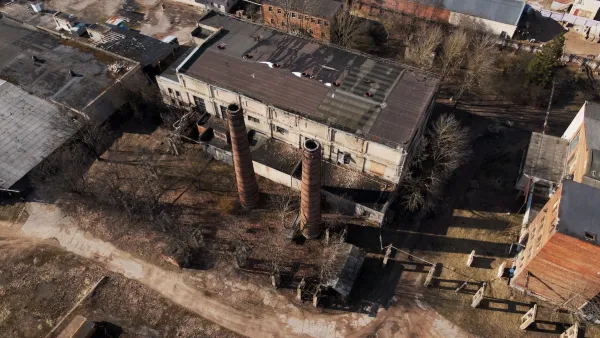
Wisconsin Awarded $12 Million for Brownfield Redevelopment Amid Broader EPA Budget Cuts
The EPA provided the funding to Wisconsin for brownfield cleanups in cities like Milwaukee and Racine, even as broader agency budget cuts under the Trump administration raise concerns about future environmental protection capacity.
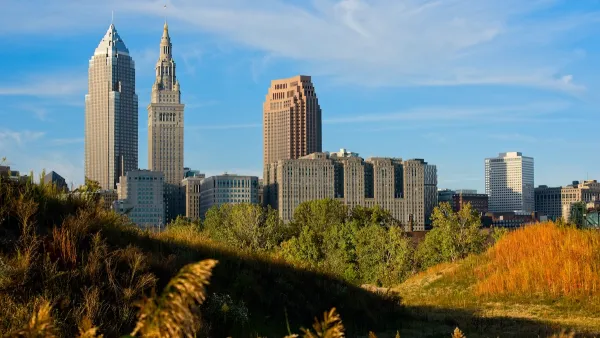
Ohio Invests $58 Million to Revitalize Brownfields and Boost Local Economies
This investment in brownfield remediation will clean up hazardous sites, foster economic development, and create jobs through 61 new projects across 33 counties.
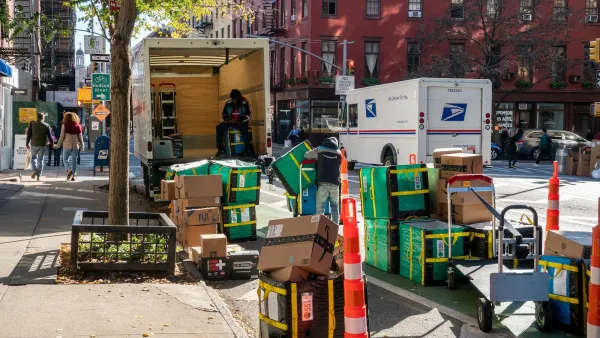
Report: 75% of NYC warehouses are in 'disadvantaged communities'
Low-income New Yorkers are 1.2 times more likely to live within half a mile of a warehouse.

Planetizen Federal Action Tracker
A weekly monitor of how Trump’s orders and actions are impacting planners and planning in America.

Amtrak, CN end decades-long dispute with eight-year agreement
The new operating agreement establishes an updated framework for the companies to work together, including processes to resolve disputes.

Northwest rail fans eager for Sept. 30 debut of Amtrak’s Airo fleet
Get ready for that new train smell and more seats. But they won’t go faster or run more frequently on the Cascades route in Washington and Oregon.

Airo trainsets begin service on Amtrak Cascades route
The trains feature panoramic windows, complementary wifi and over 300 seats per train set.

As El Niño approaches, Newsom vetos bill aimed at protecting California levees from flooding
Gov. Gavin Newsom said the state’s allocated $170 million was enough funding; State experts estimate it will cost $3.3 billion to repair the California Delta's levees.

Boston sues Trump administration over revoked infrastructure grant
The Trump administration withdrew the infrastructure grant because less than 1% of the money would go to electric vehicle charging infrastructure.

FREE Course: Walkable City 1: Why Walkability?
After describing his path towards focusing on walkability as the essence of good planning, Jeff Speck marches through his five principal reasons for making more walkable places.
Reinventing Malls: Planning Alchemy—Turning Gray Fields Into Gold
The course focuses on the opportunities and imperatives that shape reinvention of mall sites.

City of Thousand Oaks
City of Wisconsin Rapids
Harvard University Graduate School of Design
The Architects Foundation
University of Cincinnati Online
The Pocatello Development Authority
The Urban Renewal Agency of the City of Pocatello