The grant funding fell far short of the $8.7 billion requested by transit agencies.


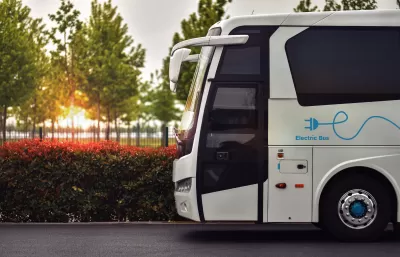
“The Federal Transit Administration announced Monday nearly $1.7 billion in grants under the Buses and Bus Facilities and Low- and No-Emission Vehicle programs for transit projects in 46 states and territories.” According to a brief by Dan Zukowski in Smart Cities Dive, the agency received $8.7 billion in applications.
The ‘Low-No’ program has been criticized by Transportation for America for “artificially constraining the conversion to zero-emission vehicles” by requiring that 25 percent of funding go toward low-emission projects. “Transportation for America found that while 88% of grant applications were for zero-emission buses and facilities, more than two-thirds of those applications were rejected, while nearly 100% of applications for projects for diesel hybrid and compressed natural gas buses were approved.”
During a press call, FTA Deputy Administrator Veronica Vanterpool said many of the low-emission projects are in rural areas where the infrastructure for zero-emission vehicles is less available.
Agencies awarded in this round include King County Metro in Seattle, the Ohio Department of Transportation, and the Washington Metropolitan Area Transit Authority.
FULL STORY: $1.7B for cleaner transit buses, bus facilities awarded by FTA

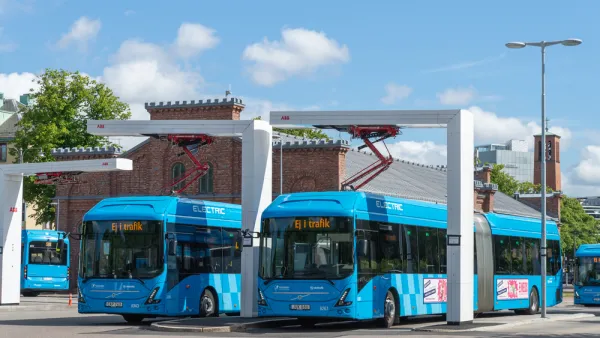
New Round of Federal Clean Transit Funding Announced
Two federal grants will award close to $1.7 billion to state and local agencies to replace aging transit fleets and boost workforce development initiatives.
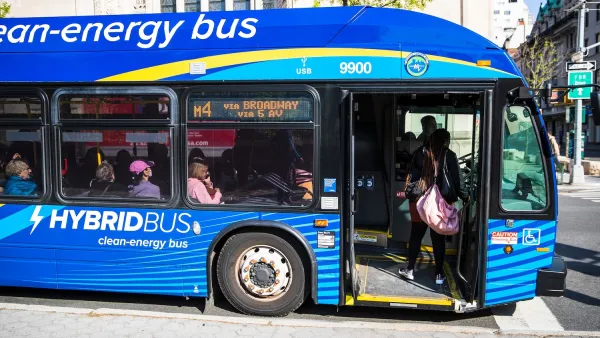
USDOT Announces $2B in Grants for Transit Buses, Favoring Hybrids Over Electric Options
The new round of grants for buses and facility upgrades doesn’t include any for battery-electric buses, favoring instead diesel-electric hybrids and CNG buses.
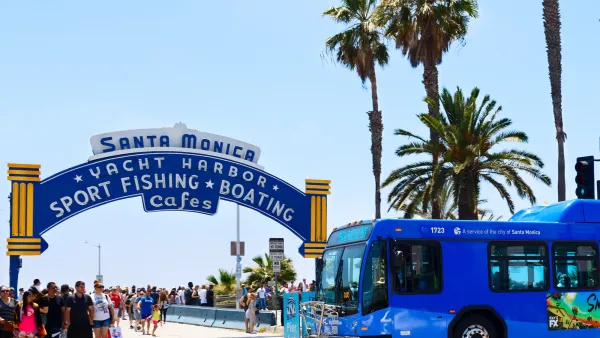
Santa Monica starts work on $56M electric bus project
Big Blue Bus plans to fully electrify its fleet by 2032.

Planetizen Federal Action Tracker
A weekly monitor of how Trump’s orders and actions are impacting planners and planning in America.

The state-sanctioned urbicide of Austin
People don’t kill cities. Freeways do.

US to reduce Colorado River water deliveries to Mexico
A new Colorado Treaty amendment reduces Mexico’s Colorado River water allocation by 250,000 acre feet.

Airbnb launches $250 million 'last-dollar financing' housing accelerator, makes first investment in Austin
The company will put $6.4 million towards affordable housing development in Texas’ capital.

Guerilla urbanists are building DIY bus stop benches in Chicago
A before-and-after of one of the bus stops with a new bench. The new benches are not officially sanctioned or permitted, but the residents who placed them hope they will be the start of a network of DIY benches across the city.

Mamdani overhauls NYC's Vision Zero plan with 100 new policy goals
The overhaul aims to reduce traffic deaths and make streets safer for pedestrians, cyclists and drivers through lower speed limits, new safety infrastructure and more.

FREE Course: Walkable City 1: Why Walkability?
After describing his path towards focusing on walkability as the essence of good planning, Jeff Speck marches through his five principal reasons for making more walkable places.
Reinventing Malls: Planning Alchemy—Turning Gray Fields Into Gold
The course focuses on the opportunities and imperatives that shape reinvention of mall sites.

Eagle County Government
Harvard University Graduate School of Design
Nashville Planning Department
The Architects Foundation
University of Cincinnati Online
The Pocatello Development Authority
The Urban Renewal Agency of the City of Pocatello
Journal of the American Planning Association