“It's a man's world” is not just a saying. As much as we are surrounded by societal structures that contribute to gender discrimination, we are often also surrounded by physical infrastructure that is just as limiting.



Most people don’t walk outside into the city and consider how infrastructure supports the cisgender, non-disabled male and woefully ignores other gender identities and minorities. Urban planning designs evolve slowly because sexism is deeply embedded into literal frameworks.
How does that manifest? Egalitarians worldwide have to step outside and see the disparities to begin a productive conversation about how urban planning can better perpetuate gender fairness and equality.
How do urban struggles relate to gender?
Urban inequality is rampant and most of the world's population lives in major cities. This population density should be reflected in progressive public space design and urban planning. Instead, it only highlights the gaps more alarmingly. Each urban issue impacts women and minority populations more than men—otherwise, feminist urbanism wouldn’t exist. The most prominent struggles of living in urban areas include:
- Classism and poverty, perpetuated by urban gentrification.
- Pollution and subsequent health issues from exposure to poor air and water quality.
- Competition for jobs and living spaces exacerbated by a rapidly growing population.
- Failure to address infrastructure faults—like old buildings or untended parks—to focus more on new development to meet population growth.
- Overcrowding causing mobility and safety concerns.
Cities like Vienna that initiate building projects for inclusivity invite women to explore more comfortably and safely outdoors. These include building more feminine-associated sports areas and benches for socializing in parks. Research studies highlight gender-related participation in public spaces, accentuating how males are more likely to continue using park spaces after a young age. In contrast, girls start to drift away from public spaces.
However, this ends up placing more separation between genders than a well-intended urban plan. Regardless, other projects—like adding mirrors to alleyways for safety and widening sidewalks—provide primarily positive outcomes.
What makes a city not inclusive to gender?
Although the hints are sometimes subtle, cities favor the stereotypically cisgender male condition. Urban areas also celebrate men more than other genders, as evidenced by statues, memorials, and galleries. Other red flags indicating a male-centric city include:
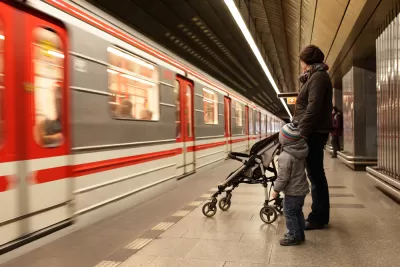
- Walkways unable to accommodate parents with strollers.
- Restroom accessibility that doesn’t support people who menstruate.
- A lack of safe spaces for the LGBTQ+ community.
- Education not teaching all people the same skills equally, especially in STEM fields.
In many cities, there aren’t enough lights or benches to allow women to travel safely, especially if they need rest from carrying or pushing children, or are someone with a disability. Nobody can predict exactly when a woman needs reprieve or an alternative route to make it home safely. Yet narrow minds fail to consider how these urban planning omissions can endanger people and their belongings.
Additionally, there is a lack of regulation protecting non-male genders. Sexual harassment and mugging are only a few acts of violence other genders suffer more from than men. Few cities have safety and accountability structures to curb these activities.
How can urban planners make a positive impacts?
Including women and more inclusive perspectives in the urban planning process is key to creating cities that serve everyone’s needs. More genders in the field will require advocacy in professional realms and education, speaking out against illegal discrimination. Employers must close pay gaps and promise everyone equal access to upward mobility within a company.
Predominantly white men create most of the industry’s definitive texts. For example, Harvard’s “Urban Planning Today” publication from 2006 only included two women out of 15 contributors. There is one woman for every two men in urban planning in the United States and this hasn’t changed in over a decade—probably because other genders don’t have many incentives to pursue the field.
Limited job opportunities often plague non-males in cities because employers don’t want to accommodate childcare schedules or men refuse to let women have power in urban decision-making. A mindset shift would significantly improve the chances for gender-inclusive workplaces to change cities.
Seeing gender represented in urban plans
Though all genders walk through cities, diverse voices have been absent in constructing them. It’s easy to see that infrastructure is designed for specific bodies and people. Inadequate infrastructure prevents all genders from experiencing the beauty and opportunity urban areas can provide.
Population growth makes prioritizing gender inclusivity in urban areas one of the most critical needs for cities. As more people migrate for the promise of a better life, metropolitan areas have to achieve that goal, or the current disparities will only foster an even greater divide in society.

Shifting the Male Perspective on City Planning
Urban spaces and transportation system are largely designed and managed by men, but cities are starting to recognize the unique challenges women and children face.
Turning a Gendered Lens on Transportation
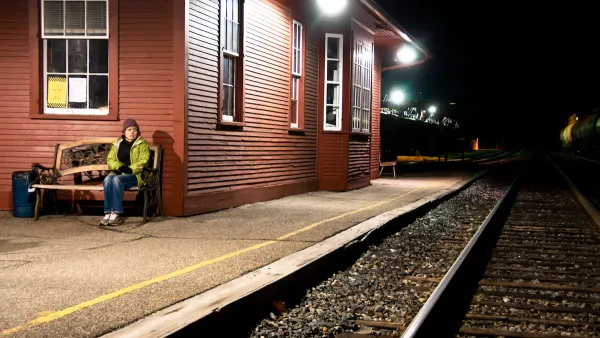
People of different genders, ages, and abilities experience transportation differently. But policies aren’t designed that way.
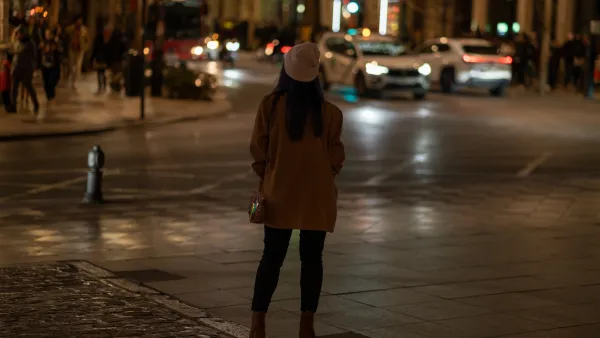
How urban design makes the world unsafe for women — and how we can change that
An industrial designer explains how cities, cars and other everyday items could better serve women.

Washington state to charge fee to drivers with fuel-efficient cars
Revenue from the fee will go towards supporting the state’s highways.

Illinois considers spending $1 billion in taxpayer money on data center
A quantum computing campus and data center are currently under construction in Chicago.

Trump to blast ‘hydrocarbon highway’ through ‘world’s longest art gallery’
Environmental and historic preservation groups are suing to stop the project.

NYC, state sue feds over mixed-immigration-status housing assistance rule
The state’s lawsuit argues that the rule change violates the Administrative Procedure Act.

Michigan to turn neighborhood into virtual power plant
Residents will soon be able to divert their excess energy to the grid in exchange for compensation.

Data center, mining project swarm to long-awaited Alaska railroad line
The state-owned railroad approved final plans for the spur line this week; the project is expected to cost $311 million, mostly funded by the federal government

FREE Course: Walkable City 1: Why Walkability?
After describing his path towards focusing on walkability as the essence of good planning, Jeff Speck marches through his five principal reasons for making more walkable places.
Reinventing Malls: Planning Alchemy—Turning Gray Fields Into Gold
The course focuses on the opportunities and imperatives that shape reinvention of mall sites.

City of Charlotte
City of Rosemead
Rutgers University, Edward J. Bloustein School of Planning and Public Policy
University of Michigan School for Environment and Sustainability (SEAS)
Hunter College, City University of New York (CUNY)
The Architects Foundation
University District Partnership

