The region has taken some steps to address the critical housing shortage, but alleviating the crisis requires a more comprehensive, statewide effort to build new housing, increase affordability, and prevent displacement.



New York City is famously unaffordable, and a lack of housing in the surrounding suburbs is exacerbating the crisis, writes Annemarie Gray in City and State NY. “NYU’s Furman Center found that ‘New York’s suburbs are failing to build any significant amount of housing,’ as Long Island permitted barely 3,000 new homes per year over the last two decades, while Westchester and the Hudson Valley permitted under 5,000 new homes per year.”
Put simply, we need a breakthrough on a comprehensive statewide strategy that sets clear expectations for where and how much we need to build housing, with every neighborhood, county, and town playing its part. We need mechanisms to greenlight projects that clearly deserve swift approval, so they don’t get slowed or blocked by political battles or redundant reviews.
According to Gray, the contentious politics of building new housing in the region are starting to shift as the crisis grows more dire. “Under the weight of crushing rents, it’s becoming good politics for elected officials to get to yes on housing.”
But “The past year’s housing victories amount to a drop in the bucket of what’s needed,” Gray asserts. “New York needs a holistic approach to addressing housing opportunity that puts rapidly increasing supply at the center, while simultaneously protecting existing tenants, fighting housing discrimination, and growing the government’s long-term capacity to provide better models of housing stability.”
Read the full story: Opinion: New York finally has momentum on housing and it’s time for a breakthrough


NYC Council Approves Brooklyn Rezoning Plan
The Atlantic Avenue Mixed Use Plan includes infrastructure investments and could bring 4,600 new housing units to parts of Brooklyn.

New York Passes Housing Package Focused on New Development and Adaptive Reuse
The FY 2025 budget includes a new tax incentive, funding for affordable housing on state land, and support for adaptive reuse and ADUs.
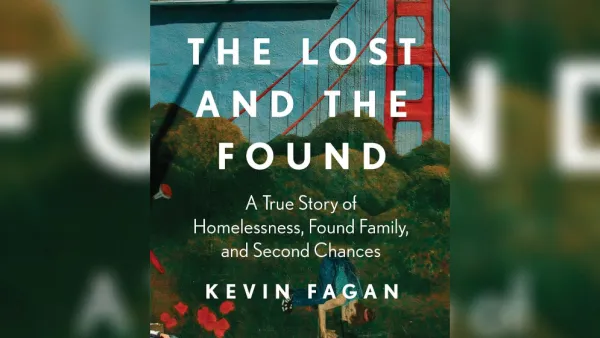
The "vicious cycle of real estate mania" — and how we might find our way home
Book review: In "The Lost and the Found: A True Story of Homelessness, Found Family, and Second Chances," Kevin Fagan humanizes the housing crisis like never before.

Planetizen Federal Action Tracker
A weekly monitor of how Trump’s orders and actions are impacting planners and planning in America.

California plans to bury El Niño’s downpour
If the state plays its cards right, it may be able to store a billion acre-feet of El Niño’s water in aquifers.

Desperate measures: Advocates weigh draining Lake Powell to fill Colorado River
Draining the reservoir could reduce evaporation losses by a couple hundred thousand acre-feet.

California city breaks ground on transit connector
The project includes three mobility hubs and a pedestrian bridge.

After public outcry, Massachusetts city releases housing development tracker
Cambridge’s tracker currently shows 250 housing projects in various stages of development.

40 years after approval, Chicago breaks ground on new park
The park honors Jean Baptiste Point du Sable, the city’s first permanent non-native settler.

FREE Course: Walkable City 1: Why Walkability?
After describing his path towards focusing on walkability as the essence of good planning, Jeff Speck marches through his five principal reasons for making more walkable places.
Reinventing Malls: Planning Alchemy—Turning Gray Fields Into Gold
The course focuses on the opportunities and imperatives that shape reinvention of mall sites.

City of Rosemead
Rutgers University, Edward J. Bloustein School of Planning and Public Policy
One Hundred Miles
Hunter College, City University of New York (CUNY)
The Architects Foundation
University of Cincinnati Online
City of Cambridge
Montrose County
The Pocatello Development Authority