The city wants to become North America’s ‘bus rapid transit capital.’


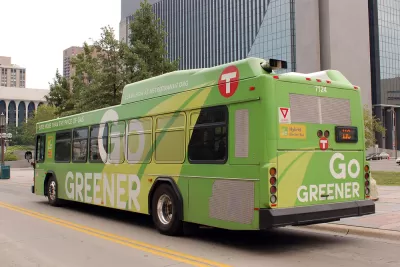
With the opening of its fifth bus rapid transit (BRT) line, Minneapolis is on its way to achieving its goal of becoming “the bus rapid transit capital of North America,” reports Jared Brey in Governing. “In all, the project includes 61 new bus shelters, 78 crosswalk restripings, 24 traffic signal upgrades and 246 electric heaters, which can be turned on by passengers at the press of a button.”
Unlike regular bus service, Metro’s BRT lines only stop at dedicated bus platforms every quarter- to half-mile. Riders pay their fares, before boarding, at well-lit stations with electric heaters and digital signs showing schedules and real-time arrival information. The buses are scheduled to come every 10-15 minutes.
Faster and more reliable than regular buses and cheaper to build than rail, bus rapid transit has seen ridership recover faster than other modes in Minneapolis after losing riders to the pandemic. According to Katie Roth, the director of arterial bus rapid transit at Metro Transit, introducing BRT boosted ridership on the system overall: “other bus lines in the Metro system saw 30 percent increases in ridership when they were switched to BRT, Roth says.”
Metro Transit has six more BRT lines in the works.
FULL STORY: Minneapolis Wants to Be the ‘Bus Rapid Transit Capital of North America’

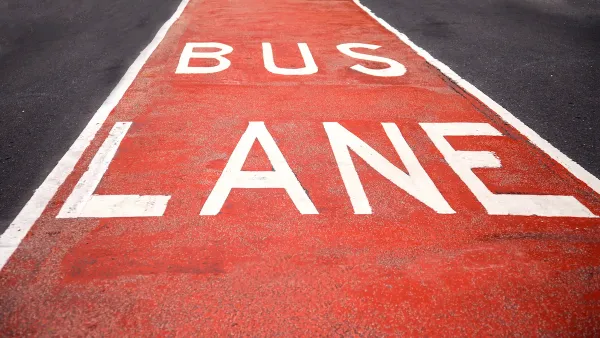
Why BRT Can Benefit Cities More Than Rail
Bus rapid transit lines offer a less expensive, quicker-build alternative to rail that can bring other infrastructure improvements with it.
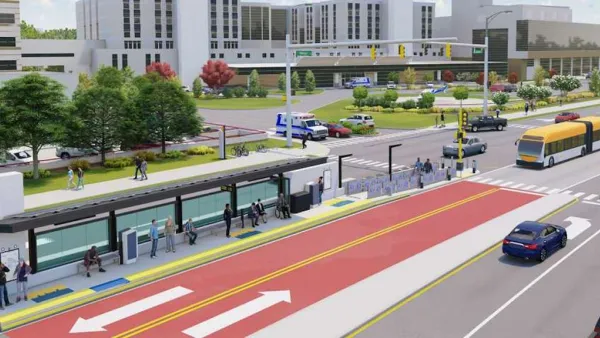
North Carolina’s First BRT Line Breaks Ground
Raleigh’s mayor calls the new rapid transit line “a game changer” for local mobility.
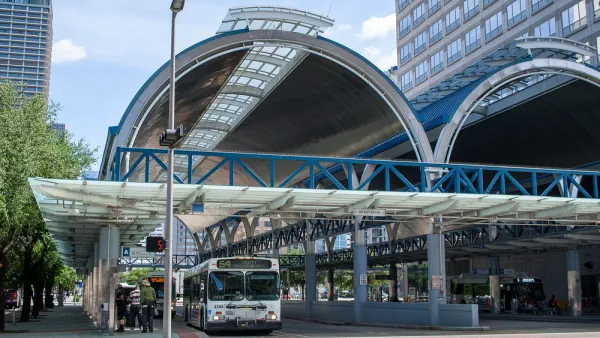
Editorial: Why Houston’s University Line BRT Is a ‘Crucial’ Project
The Houston Chronicle editorial board comes out in support of a proposed 25-mile bus rapid transit line, arguing it would provide essential service to transit-dependent residents.

Planetizen Federal Action Tracker
A weekly monitor of how Trump’s orders and actions are impacting planners and planning in America.

The state-sanctioned urbicide of Austin
People don’t kill cities. Freeways do.

US to reduce Colorado River water deliveries to Mexico
A new Colorado Treaty amendment reduces Mexico’s Colorado River water allocation by 250,000 acre feet.

5 New England states march closer to 800 megawatt wind energy project
Securing federal approval for the project may be complicated under the Trump administration, which has historically been hostile towards domestic wind power.

Baltimore to break ground on $50 million Transit Priority Project
The project will bring faster bus trips, safer streets and better bike connections to Baltimore.

Airbnb launches $250 million 'last-dollar financing' housing accelerator, makes first investment in Austin
The company will put $6.4 million towards affordable housing development in Texas’ capital.

FREE Course: Walkable City 1: Why Walkability?
After describing his path towards focusing on walkability as the essence of good planning, Jeff Speck marches through his five principal reasons for making more walkable places.
Reinventing Malls: Planning Alchemy—Turning Gray Fields Into Gold
The course focuses on the opportunities and imperatives that shape reinvention of mall sites.

Eagle County Government
Harvard University Graduate School of Design
Nashville Planning Department
The Architects Foundation
University of Cincinnati Online
The Pocatello Development Authority
The Urban Renewal Agency of the City of Pocatello
Journal of the American Planning Association