With a projected budget gap of $20 million by 2025 and ridership declining, the city’s transit agency plans to make cuts and adjustments to service.


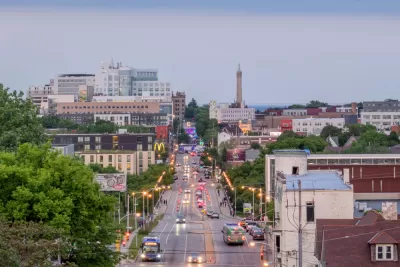
Writing for Urban Milwaukee, Graham Kilmer reports on the city’s cash-strapped transit system, which is projected to face a deficit of $20 million in 2025. This gap will directly translate into service cuts, Kilmer reports. “By 2023, the system is budgeted to have 86 fewer buses than it did in 2018, according to a budget analysis by the comptroller.”
According to Kilmer, “The budget challenges facing MCTS are caused, in part, by the same structural financial problems facing the rest of the county,” such as state revenue allocations that have not kept up with inflation and the rising cost of maintaining transit systems and other government programs.” With ridership on the decline for the last four decades, MCTS is increasingly unable to meet its financial needs.
The article lists the changes coming to Milwaukee’s transit system, including a new bus rapid transit (BRT) line that will replace the Goldline and the elimination of the city’s on-demand paratransit service. “Donna Brown-Martin, director of the Milwaukee County Department of Transportation (MCDOT), said the decision was made to not re-up the contract for the taxi service because of new rules from the Federal Transportation Administration (FTA) that require these services to have wheelchair accessible vehicles for riders that use mobility devices, and drug and alcohol screening for the drivers.”
FULL STORY: Transit System Will Continue to Shrink

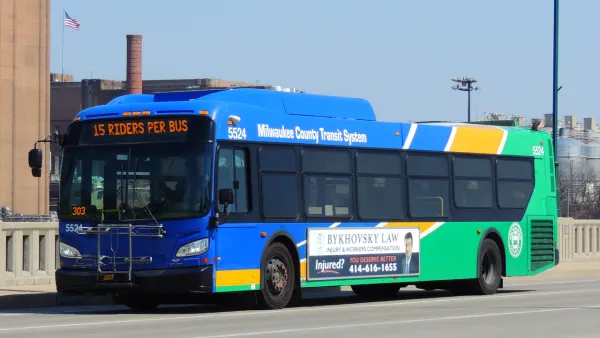
Postponed Milwaukee BRT Project at Least a Decade Away
The county’s transit system won’t pursue a second rapid bus line due to financial constraints.

Milwaukee transit agency plans 25% service cuts
The MCTS system will have to make a difficult choice between service frequency and coverage.
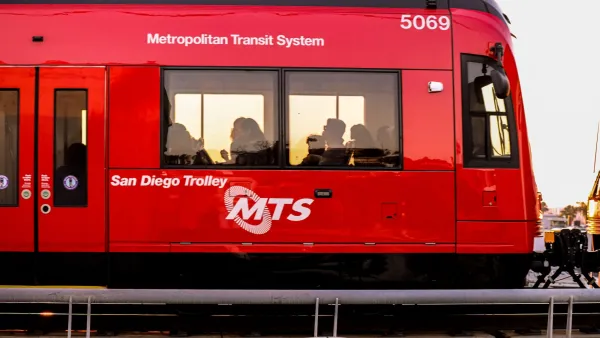
San Diego Regional Transportation Plan Shifts Away From Big Projects to Focus on Improving Existing Infrastructure
SANDAG’s 2025 Regional Plan scales down plans for new rail lines in favor of expanding rapid bus service.

Planetizen Federal Action Tracker
A weekly monitor of how Trump’s orders and actions are impacting planners and planning in America.

The state-sanctioned urbicide of Austin
People don’t kill cities. Freeways do.

US to reduce Colorado River water deliveries to Mexico
A new Colorado Treaty amendment reduces Mexico’s Colorado River water allocation by 250,000 acre feet.

Mamdani overhauls NYC's Vision Zero plan with 100 new policy goals
The overhaul aims to reduce traffic deaths and make streets safer for pedestrians, cyclists and drivers through lower speed limits, new safety infrastructure and more.

Amtrak not solely to blame for New Jersey commuter rail's unreliability, report finds
A new study from the Garden State Initiative found that NJ Transit’s budget grew 20% across a 4 year period, but reliability declined significantly over the same period.

EPA erases limits on planet-warming pollution from power plants
Under Monday’s plan, power plants would still have some limits on how much mercury, arsenic and other contaminants they can emit.

FREE Course: Walkable City 1: Why Walkability?
After describing his path towards focusing on walkability as the essence of good planning, Jeff Speck marches through his five principal reasons for making more walkable places.
Reinventing Malls: Planning Alchemy—Turning Gray Fields Into Gold
The course focuses on the opportunities and imperatives that shape reinvention of mall sites.

Eagle County Government
Harvard University Graduate School of Design
Nashville Planning Department
The Architects Foundation
University of Cincinnati Online
The Pocatello Development Authority
The Urban Renewal Agency of the City of Pocatello
Journal of the American Planning Association