The American Society of Landscape Architects has assembled a task force to create an action plan focused on climate change and biodiversity.


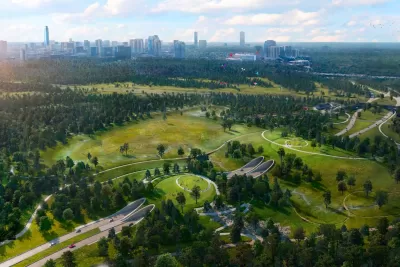
The American Society of Landscape Architects (ASLA) has begun the process of preparing a profession-wide Climate Action Plan, according to an article by Jared Green for ASLA publication The Dirt.
“The ambitious plan seeks to transform the practice of landscape architecture by 2040 through actions taken by ASLA and its members focused on climate mitigation and adaptation, ecological restoration, biodiversity, equity, and economic development,” according to Green.
To craft the action plan, the ASLA has appointed five members to its Climate Action Plan Task Force, to be chaired by Pamela Conrad, ASLA, founder of Climate Positive Design and Principal at CMG Landscape Architecture. A Climate Action Plan Advisory Group of 16 will also advise on the plan. The ASLA expects to publish the Climate Action Plan at its November national conference in San Francisco.
FULL STORY: Landscape Architects Form High-Profile Task Force to Take Action on Climate and Biodiversity Crises

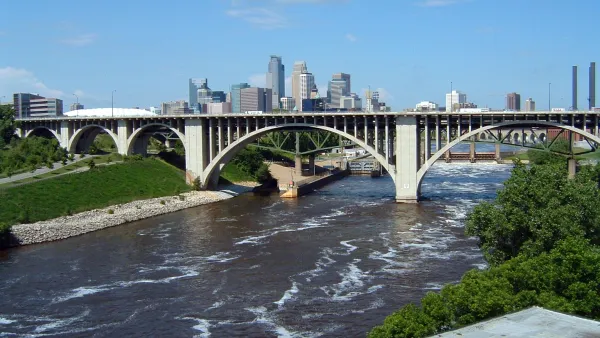
The ASLA's New Guide to Resilient Design
The American Society of landscape Architects is promoting a new guide to resilient landscape design, which examines hundreds of case studies for examples of infrastructure that works with nature, instead of against it.
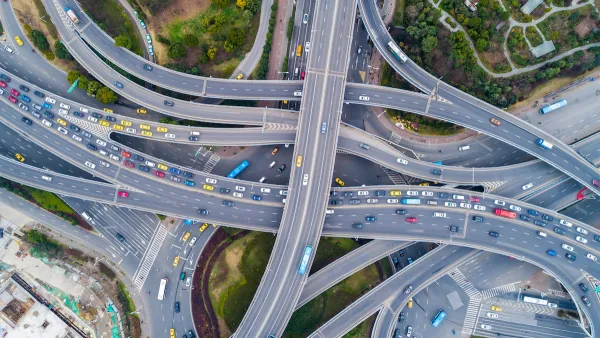
California Environmental Leaders Call on State Agencies to Prioritize Multimodal Transportation
Even before President Trump took office, California was not meeting its emissions reduction goals.
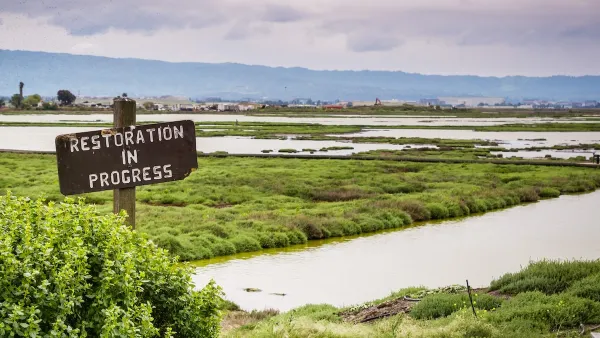
Nature-Based Solutions for Sustainable Climate Action
These solutions offer cost-effective, sustainable methods to combat climate change, but require government action to reallocate subsidies, integrate natural assets into financial systems, and develop biodiversity credit markets.

Planetizen Federal Action Tracker
A weekly monitor of how Trump’s orders and actions are impacting planners and planning in America.

The state-sanctioned urbicide of Austin
People don’t kill cities. Freeways do.

US to reduce Colorado River water deliveries to Mexico
A new Colorado Treaty amendment reduces Mexico’s Colorado River water allocation by 250,000 acre feet.

Mamdani overhauls NYC's Vision Zero plan with 100 new policy goals
The overhaul aims to reduce traffic deaths and make streets safer for pedestrians, cyclists and drivers through lower speed limits, new safety infrastructure and more.

Amtrak not solely to blame for New Jersey commuter rail's unreliability, report finds
A new study from the Garden State Initiative found that NJ Transit’s budget grew 20% across a 4 year period, but reliability declined significantly over the same period.

EPA erases limits on planet-warming pollution from power plants
Under Monday’s plan, power plants would still have some limits on how much mercury, arsenic and other contaminants they can emit.

FREE Course: Walkable City 1: Why Walkability?
After describing his path towards focusing on walkability as the essence of good planning, Jeff Speck marches through his five principal reasons for making more walkable places.
Reinventing Malls: Planning Alchemy—Turning Gray Fields Into Gold
The course focuses on the opportunities and imperatives that shape reinvention of mall sites.

Eagle County Government
Harvard University Graduate School of Design
Nashville Planning Department
The Architects Foundation
University of Cincinnati Online
The Pocatello Development Authority
The Urban Renewal Agency of the City of Pocatello
Journal of the American Planning Association