‘Dead’ suburban malls, with their existing infrastructure, offer a variety of opportunities for redevelopment into everything from housing to parks.


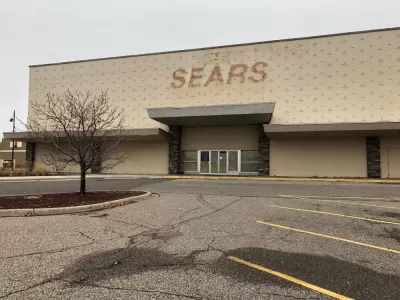
In an opinion piece in The New York Times, Alexandra Lange calls for a more creative approach to transforming dead malls, one that considers the mall’s roots as an indoor garden. “Some should be demolished and returned to nature, but more should be rethought from an ecological point of view. While malls are a wasteful use of land, replacement with new stand-alone buildings with space-hogging parking lots only compounds that wastefulness: Better to add (perimeter buildings, solar panels, trees) and to swap (markets for department stores, classrooms for boutiques).”
Malls represent heavy investments in infrastructure, construction materials and place making that should not be discarded. The popularity of dead malls as sites for Covid testing and eventually vaccinations underlines these essential qualities: Easy road access, unencumbered indoor space, instant name recognition.
Lange outlines the history of the American mall and its role in public life, then describes a series of mall redevelopment projects that have transformed suburban malls, drawing from “Case Studies in Retrofitting Suburbia” by June Williamson and Ellen Dunham-Jones. Some have been redeveloped into mixed-use projects with apartments, retail, and office space. Others have become civic centers, medical facilities, schools, or parks.
Lange acknowledges the problematic nature of privatizing green space. According to Lange, shopping malls have “historically cultivated specific audiences by virtue of their locations sometimes in segregated suburbs and, later, by codes of conduct designed to limit the impact of groups of teenagers.” However, the changes evident in many shopping centers that formerly catered to mainly white audiences signal that malls can successfully transform into diverse venues for shopping, entertainment, and community functions that serve immigrant communities.
FULL STORY: Get In. We’re Going to Save the Mall.

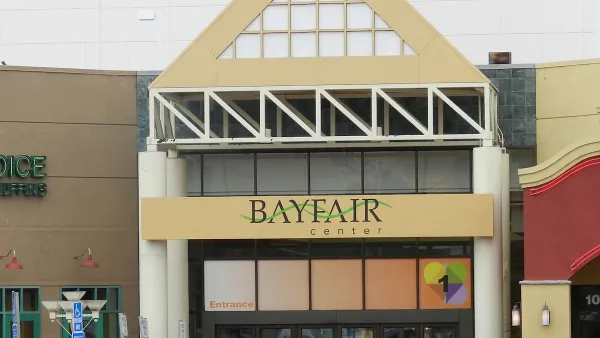
Mall Redevelopment in Silicon Valley
Dead malls across the Bay Area are being transformed into R&D centers, housing, and transportation hubs.
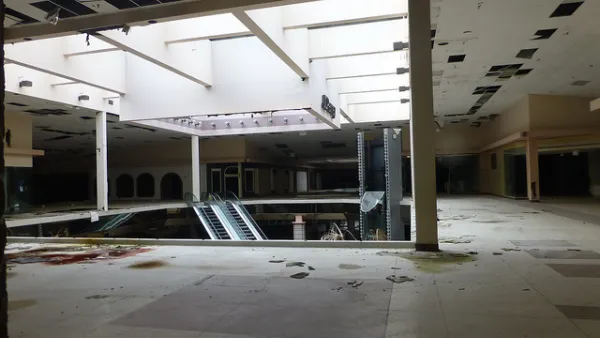
Life, Death, and Repurposing of the Great American Mall
A PBS Newshour economic correspondent visits the sites of former malls in Ohio and Massachusetts, some successfully repurposed, others in construction, and one in decay, speaking with economic experts along the way about the future of the mall.
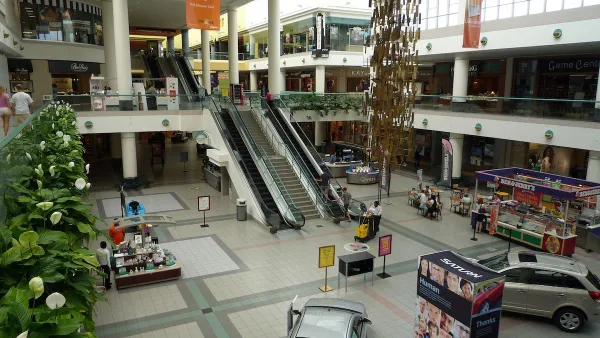
The Mall Is Dead — Long Live the Mall
The American shopping mall may be closer to its original vision than ever.

The state-sanctioned urbicide of Austin
People don’t kill cities. Freeways do.

US to reduce Colorado River water deliveries to Mexico
A new Colorado Treaty amendment reduces Mexico’s Colorado River water allocation by 250,000 acre feet.

New Jersey’s second-largest city bans standalone data centers
Jersey City will continue to allow co-location facilities, such as those meant for research institutions that store their own data.

Amtrak not solely to blame for New Jersey commuter rail's unreliability, report finds
A new study from the Garden State Initiative found that NJ Transit’s budget grew 20% across a 4 year period, but reliability declined significantly over the same period.

EPA erases limits on planet-warming pollution from power plants
Under Monday’s plan, power plants would still have some limits on how much mercury, arsenic and other contaminants they can emit.

Phoenix announces new on-demand transit service, more frequent RAPID buses
Both new services will launch in October, and are part of Phoenix's Project Effective Access Solutions for Easing Congestion.

FREE Course: Walkable City 1: Why Walkability?
After describing his path towards focusing on walkability as the essence of good planning, Jeff Speck marches through his five principal reasons for making more walkable places.
Reinventing Malls: Planning Alchemy—Turning Gray Fields Into Gold
The course focuses on the opportunities and imperatives that shape reinvention of mall sites.

Eagle County Government
Harvard University Graduate School of Design
Nashville Planning Department
The Architects Foundation
University of Cincinnati Online
The Pocatello Development Authority
The Urban Renewal Agency of the City of Pocatello
Journal of the American Planning Association