A public hearing last week revealed widespread opposition to a plan to loosen density and height limits and reduce parking requirements to encourage more developers to build affordable housing.



Salt Lake City’s efforts to incentivize affordable housing construction through a set of zoning reforms face opposition from multiple sides. As Tony Semerad reports for The Salt Lake Tribune, “The proposed tweaks to permitted density, additional building height, smaller setbacks, reduced parking required per dwelling, and expedited review at City Hall are backed by Mayor Erin Mendenhall, in an multifaceted attempt to help ease a dire lack of affordable rentals and homes for sale in Utah’s capital.”
The incentives are tied to developers allocating 20 percent of units to households making less than 80 percent of Area Median Income (AMI). “But a two-hour public hearing late Wednesday before the planning commission on the ideas drew torrents of criticism, from several perspectives — though all seemed to agree the envisioned rents of $1,400 a month under the plans were not really affordable to most residents.” Some called for lower rent limits to include more low-income people. “Several attendees called for direct rent controls on existing housing to improve affordability, which is prohibited by state law.”
In addition to the usual complaints about changing the character of single-family neighborhoods and parking, attendees at the hearing also expressed concern about the city’s failure to enforce its regulation on short-term rentals, which many housing advocates argue reduce available housing stock for renters and raise housing costs for long-term tenants.
FULL STORY: SLC’s push for more affordable housing runs into a wall of pushback


DC Residents Want Affordability Over ‘Character’
A poll finds that most residents want to see changes in zoning and land use laws that unlock more housing construction in the District and improve affordability.
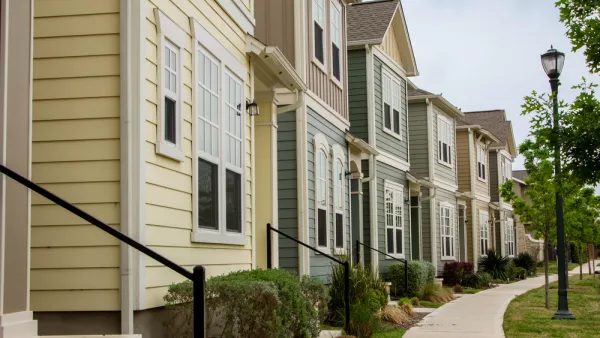
Austin Reduces Minimum Lot Size
Smaller lot sizes for single-family homes can make construction more affordable and homeownership available to more households.
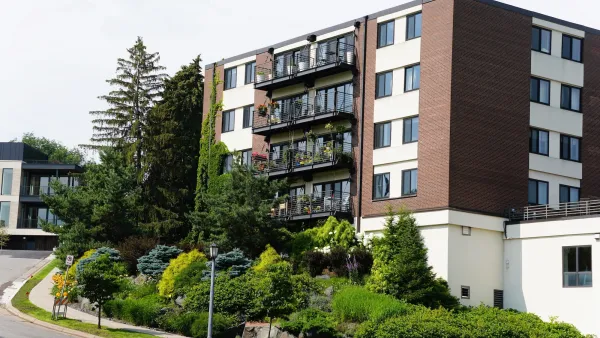
How policy changes helped Minneapolis beat rent inflation
Despite a boom in population, Minneapolis has managed to keep rents relatively steady through a combination of legislative action and private investment.

Planetizen Federal Action Tracker
A weekly monitor of how Trump’s orders and actions are impacting planners and planning in America.

The state-sanctioned urbicide of Austin
People don’t kill cities. Freeways do.

US to reduce Colorado River water deliveries to Mexico
A new Colorado Treaty amendment reduces Mexico’s Colorado River water allocation by 250,000 acre feet.

Mamdani overhauls NYC's Vision Zero plan with 100 new policy goals
The overhaul aims to reduce traffic deaths and make streets safer for pedestrians, cyclists and drivers through lower speed limits, new safety infrastructure and more.

Amtrak not solely to blame for New Jersey commuter rail's unreliability, report finds
A new study from the Garden State Initiative found that NJ Transit’s budget grew 20% across a 4 year period, but reliability declined significantly over the same period.

EPA erases limits on planet-warming pollution from power plants
Under Monday’s plan, power plants would still have some limits on how much mercury, arsenic and other contaminants they can emit.

FREE Course: Walkable City 1: Why Walkability?
After describing his path towards focusing on walkability as the essence of good planning, Jeff Speck marches through his five principal reasons for making more walkable places.
Reinventing Malls: Planning Alchemy—Turning Gray Fields Into Gold
The course focuses on the opportunities and imperatives that shape reinvention of mall sites.

Eagle County Government
Harvard University Graduate School of Design
Nashville Planning Department
The Architects Foundation
University of Cincinnati Online
The Pocatello Development Authority
The Urban Renewal Agency of the City of Pocatello
Journal of the American Planning Association