The ordinance, which allows lot splitting and eases permitting for accessory dwelling units, is an effort to boost housing affordability.



A city initiative dubbed "Homes for All of Us" takes aim at San Diego's housing crisis through the increasingly popular mechanism of upzoning. According to an article by Richard Allyn,
The reforms in the first part of the ordinance, which was approved by the City Council on Feb. 8, include allowing the split of a single-family lot into two lots, easing the parameters for granny flats and other accessory dwelling units, streamlining the process for building affordable and middle-income homes on city-owned property and encouraging affordable housing in neighborhoods with little to no such housing.
San Diego Mayor Todd Gloria called the initiative an important step toward boosting housing construction in the city. "Signing this ordinance paves the way for the city and home builders to work together to create more homes that San Diegans can actually afford, as well as keep our homelessness crisis from getting worse."
"The Housing Action Package gives us more tools to deliver more housing to more San Diegans. Breaking down silos by opening city-owned properties and employment centers to new housing will help us scale up development, resulting in more affordable and sustainable housing in more communities," said City Councilmember Joe LaCava.
"Other reforms in the package include an Employee Housing Incentive Program, a Housing Accessibility Program and incentives for multifamily housing developments to build homes with three or more bedrooms to ensure that families of all sizes have opportunities for housing."
Read the full story: San Diego adopts 'Homes for All of Us' to help ease ongoing housing crisis

San Diego wants to limit upzoning law to just 16% of transit-adjacent parcels
The city's planning director says some areas are unfit for immediate upzoning due to a lack of resources or hazards such as wildfire risk.

Reno Revisits Zoning Reform
After roundly rejecting a proposal to legalize granny flats in 2018, the city council is revising it and other zoning reform proposals that could increase the city’s affordable housing supply.
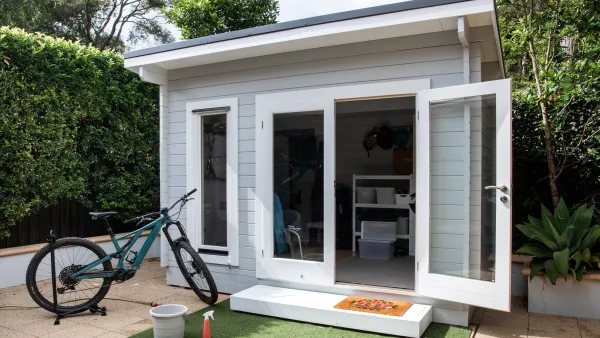
ADU Demand Grows Across the West Coast
In communities from California to Washington, permit applications for accessory dwelling units outpace the ability of permitting and construction to keep pace.

Planetizen Federal Action Tracker
A weekly monitor of how Trump’s orders and actions are impacting planners and planning in America.

California plans to bury El Niño’s downpour
If the state plays its cards right, it may be able to store a billion acre-feet of El Niño’s water in aquifers.

Desperate measures: Advocates weigh draining Lake Powell to fill Colorado River
Draining the reservoir could reduce evaporation losses by a couple hundred thousand acre-feet.

Chicago voters approve permanent festival grounds, penalty for vacant property owners
Currently, major summer and fall festivals take over public parks for weeks at a time, drawing criticism from nearby residents

NYC votes to cut outdoor dining red tape, speed up permitting
New York City also voted to allow the Department of Transportation to begin work on urgent projects before notifying elected officials.

California appears to reject Prop. 45
The proposition would have expanded the projects that qualify for a streamlined environmental review, effectively paring down the California Environmental Quality Act.

FREE Course: Walkable City 1: Why Walkability?
After describing his path towards focusing on walkability as the essence of good planning, Jeff Speck marches through his five principal reasons for making more walkable places.
Reinventing Malls: Planning Alchemy—Turning Gray Fields Into Gold
The course focuses on the opportunities and imperatives that shape reinvention of mall sites.

City of Rosemead
Rutgers University, Edward J. Bloustein School of Planning and Public Policy
One Hundred Miles
Hunter College, City University of New York (CUNY)
The Architects Foundation
University of Cincinnati Online
City of Cambridge
Montrose County
The Pocatello Development Authority