Scientists believe we have entered a sixth mass extinction event, calling for conservation and documentation of species before they are lost forever.



A research team from the University of Hawaii’s Pacific Biosciences Research Center is warning that the Sixth Mass Extinction—an extinction event predicted by scientists and largely driven by anthropogenic causes like rapid climate change—may have already begun. As Becky Ferreira writes in Vice, the team analyzed extinction data for mollusks, which the researchers argue provide a better random sample of biodiversity than vertebrates, which only make up 5 percent of animals.
The team is basing its conclusion on the rate of extinction, adding that the crisis is more severe on land than in the oceans. According to their analysis, between 7.5 and 13 percent of species have become extinct since 1500. A catastrophic extinction event is defined as a loss of 75 percent or more of species.
Robert Cowie, who leads the research team, says he feels "obligated to express opinions" due to the urgent nature of their findings. But Cowie admits that conservation efforts won't save every species, saying "We feel that the most important thing we can do for the future is to preserve as many of these species as possible in museums, so that in 200, 300, or 500 years from now, people will still be able to say this is what the Earth once had."
Read the full story: Scientists Warn that Sixth Mass Extinction Has ‘Probably Started’

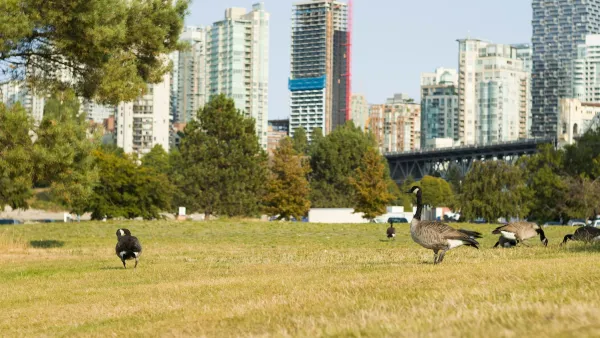
Study: How Urban Parks Can Support Biodiversity
Conservation and recreation can go hand in hand in urban green spaces designed to serve both humans and local wildlife.
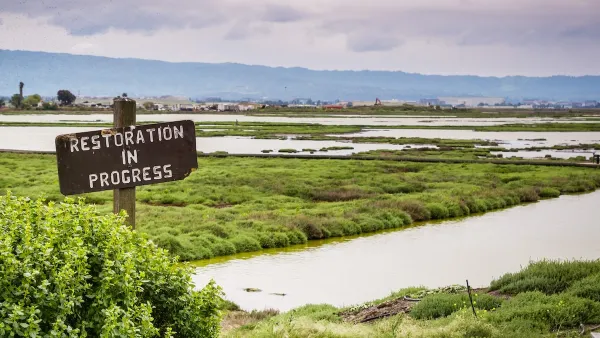
Nature-Based Solutions for Sustainable Climate Action
These solutions offer cost-effective, sustainable methods to combat climate change, but require government action to reallocate subsidies, integrate natural assets into financial systems, and develop biodiversity credit markets.
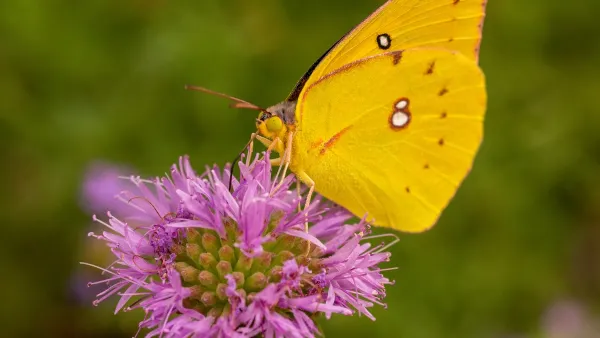
Study Reveals Los Angeles a Hotspot for Insect Diversity
A study reveals that L.A. is a surprising hotspot for insect and spider biodiversity, with diversity driven more by proximity to mountains and stable temperatures than by land value.

Planetizen Federal Action Tracker
A weekly monitor of how Trump’s orders and actions are impacting planners and planning in America.

Colorado’s Largest Data Center Could Rise Next to Homes — Without a Public Hearing
The proposed campus would consume 11 times the power of Denver International Airport; as it has across the country, opposition mounts.

US to reduce Colorado River water deliveries to Mexico
A new Colorado Treaty amendment reduces Mexico’s Colorado River water allocation by 250,000 acre feet.

'This is going to be painful:’ Virginia stares down $1.7 billion funding gap for highway maintenance
The state may address the deficit by shifting $290 million from its construction budget to maintenance projects.
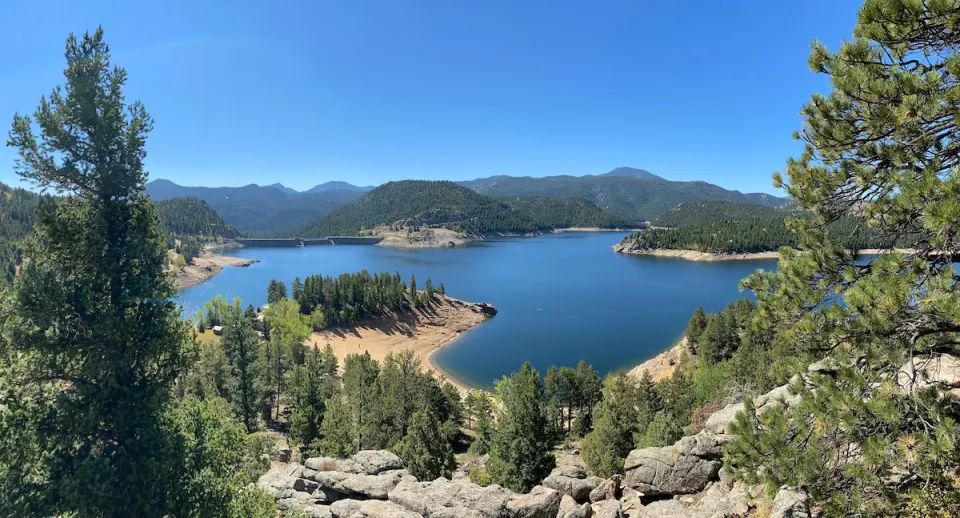
Judges permit Denver to divert 77,000 acre feet from the Colorado River for reservoir expansion
Overuse and climate change have caused the Colorado River’s water levels to plummet.

Amtrak, CN end decades-long dispute with eight-year agreement
The new operating agreement establishes an updated framework for the companies to work together, including processes to resolve disputes.

FREE Course: Walkable City 1: Why Walkability?
After describing his path towards focusing on walkability as the essence of good planning, Jeff Speck marches through his five principal reasons for making more walkable places.
Reinventing Malls: Planning Alchemy—Turning Gray Fields Into Gold
The course focuses on the opportunities and imperatives that shape reinvention of mall sites.

KFH Group Inc.
Greater Baltimore Committee
Eagle County Government
The Architects Foundation
University of Cincinnati Online
The Pocatello Development Authority
The Urban Renewal Agency of the City of Pocatello