Smart power grid solutions are becoming increasingly important for the development of smart cities. Here's what you need to know.



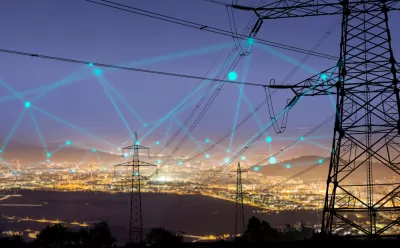
As the world population grows, cities become jam-packed, and technology continues to advance, the concept of a smart city looks much more appealing. Smart cities require sophisticated power networks to accommodate the plethora of information transmitted.
A smart city is loosely defined as a city that leverages information and communication tech to create interactive and responsive infrastructure and public services. The ultimate goal is to use critical data to ensure that utilities, such as water, public roads, electricity, and other important city services, are working efficiently.
Below is more information about why smart power grid solutions are becoming increasingly important for the development of smart cities.
The Important Role of Technology in Developing a Smart Power Grid
A smart power grid plays an important role in developing a smart city. Smart grid technologies will offer valuable benefits that the traditional power grid lacks, such as reliability, availability, and resiliency.
Here are some examples of the benefits of a smart power system:
- Efficient transmission of electricity
- Improved security measures
- Quicker restoration of power services after experiencing disruptions
- Reduced management and operational costs
- Lower electricity rates
- Increased integration of renewable energy
According to Amruth Puttappa, founder of ThingsCloud, smart grids “self-detect concerns and heal the network without any manual intervention.” This will be especially useful in cities prone to experiencing natural disasters. Additionally, the smart grid will allow for more solar rooftop systems and wind turbines.
There’s been a strong focus on the need to be more sustainable—consider the Paris Agreement, for instance. Smart grids will help cities reach those sustainability goals over time.
As the smart grid is introduced, it will help these types of renewable energy sources to be integrated into the system as well.
Digital technologies, such as the Internet of Things (IoT), automation, artificial intelligence (AI), and 5G, will allow two-way communication between utilities in a smart city and those who dwell in smart cities. These pieces of technology have already been leveraged by other industries, including health care, for example.
The new smart city will rely on key grid edge technologies such as electric vehicles, distributed storage, smart meters, smart appliances, smart buildings, and distributed generation.
It’s expected that the smart grid technology global market will grow to $55.9 billion by 2026, which highlights the integral role this tech will play in building smart cities from the ground up.
Determining Equipment and Technical Specifications
Because the technology being leveraged to create smart cities is highly advanced, it will take careful planning to determine the appropriate way to integrate them.
Cities will need to retrofit current technologies, such as transformers, so that they can connect to the digital world. In a traditional power system, high-quality transformers keep operations running smoothly for businesses across various industries.
However, it’s expected that retrofitted transformers with enhanced capabilities will positively impact the smart grid. For example, a smart transformer will be able to handle the future needs of the smart grid—one use case might be handling all of the energy needs of electric vehicles, which are increasing in popularity.
What concerns arise over the future smart grid with all these new technologies?
Cybersecurity and the Future Smart Grid
While numerous benefits come with implementing a smart grid, the opportunities for malicious actors also grow in number. Because the devices used to power a smart city are so interconnected, the risk of cyberattacks naturally increases.
It’ll be crucial for developers to find innovative ways to secure the network infrastructure within a smart power grid. Next-generation firewalls will play a key role in mitigating cybersecurity threats, especially if these firewalls are equipped with intrusion detection and a prevention system.
Smart cities will need to take a comprehensive, holistic approach to reduce the chances that hackers will capitalize on the smart grid’s vulnerabilities. Moreover, it will be crucial to implement cybersecurity workforce training to educate skilled workers about the best practices and how to protect the network infrastructure.
While these are important concerns that need to be addressed, one other benefit of the smart grid is enhanced consumer control.
Giving Consumers Control of Energy Use
Smart grids are expected to give consumers more control over their energy consumption and the monthly bills they pay. It will also encourage consumers to install small-scale, home-based renewable energy technologies, such as solar panels and distributed generation and storage systems.
This comes when the average consumer may not be aware of the current smart grid developments happening. However, general opinion shows that many consumers feel positive about introducing a smart grid and other new energy technologies.
Building Smart Grids to Power Smart Cities
It will take time for the smart grid to be introduced, but the future looks promising. It’s evolving piece by piece, and once all the equipment is installed, the tech is perfected, and the systems are tested, the smart grid will be implemented so smart cities can flourish.

How to Make the Texas Electric Grid More Resilient
This year's winter storm and the subsequent damages highlight the urgent need for more resilient energy systems that can outlast increasingly powerful weather events.
Watch: Electric Cars and the Grid
The YouTube channel Engineering Explained takes on one of the big questions in a post-fossil-fuel transportation future.
Texas is Counting on Battery Systems to Limit Power Outages This Winter
ERCOT says new battery storage and other systems set in place after 2021’s devastating winter storm will help prevent an energy emergency this winter.

Planetizen Federal Action Tracker
A weekly monitor of how Trump’s orders and actions are impacting planners and planning in America.

Amtrak, CN end decades-long dispute with eight-year agreement
The new operating agreement establishes an updated framework for the companies to work together, including processes to resolve disputes.

Nation's most wind-powered state turns to coal as data centers increase energy demand
For the first time in decades, Iowa has increased its generation of coal power.

Alabama scores up to $2.5 billion federal loan for largest infrastructure project in state’s history
The Mobile River Bridge and Bayway Project aims to ease congestion at Alabama’s worst bottleneck.

Trump is considering data centers on 6 states' public land — some state officials say they had no idea
If the administration approves the proposed projects, data center and data center-related developments will cover 17,600 acres of public land.

Despite court ruling, Trump is keeping nearly all wind projects in the US on hold
At least 110 wind energy projects have not heard from the government since a federal judge ruled that the Trump administration's freeze on wind turbine clearances was likely illegal.

FREE Course: Walkable City 1: Why Walkability?
After describing his path towards focusing on walkability as the essence of good planning, Jeff Speck marches through his five principal reasons for making more walkable places.
Reinventing Malls: Planning Alchemy—Turning Gray Fields Into Gold
The course focuses on the opportunities and imperatives that shape reinvention of mall sites.

KFH Group Inc.
Greater Baltimore Committee
Eagle County Government
The Architects Foundation
University of Cincinnati Online
The Pocatello Development Authority
The Urban Renewal Agency of the City of Pocatello

