Steve Glenn, CEO of Plant Prefab, shares how his company is infiltrating single and multifamily housing markets with custom designed prefabricated homes to deliver healthy and sustainable buildings by design and at scale.


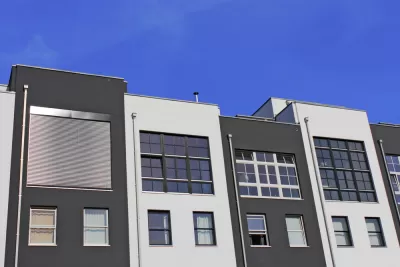
With construction costs rising across the country, many are looking to prefabricated and offsite construction to speed up the process and reduce prices. Wanting to make room for more design options and custom homebuilding in this space, Steve Glenn started Plant Prefab to bring together the principles of good design with modular construction.
In this interview, Glenn also discusses the ways his company are using new technologies and solutions like AI to allow for even greater personalization for clients and designers. Lastly, Glenn elaborates how infiltrating the urban multi-family market with prefabricated construction might be a game changer for the housing market.
For the full interview, visit: The Planning Report
FULL STORY: CEO Steve Glenn on Integrating Design, Sustainability, & Efficiency in the Prefab Custom Home Market


EPA Terminates $116 Million in Grants for Reducing Emissions from Construction Materials
C-MORE grants were earmarked for industry trade groups and universities.

5 Trends for Affordable Housing in 2024
Technology and policy are just two factors shaping the future of affordable housing.

How the Green New Deal Could Transform the Built Environment
If it emulated and adapted the scope of its predecessor, the Green New Deal could transform the country in fundamental ways, with builders, planners, and architects playing central roles.

Planetizen Federal Action Tracker
A weekly monitor of how Trump’s orders and actions are impacting planners and planning in America.

The state-sanctioned urbicide of Austin
People don’t kill cities. Freeways do.

US to reduce Colorado River water deliveries to Mexico
A new Colorado Treaty amendment reduces Mexico’s Colorado River water allocation by 250,000 acre feet.

5 New England states march closer to 800 megawatt wind energy project
Securing federal approval for the project may be complicated under the Trump administration, which has historically been hostile towards domestic wind power.

Baltimore to break ground on $50 million Transit Priority Project
The project will bring faster bus trips, safer streets and better bike connections to Baltimore.

Airbnb launches $250 million 'last-dollar financing' housing accelerator, makes first investment in Austin
The company will put $6.4 million towards affordable housing development in Texas’ capital.

FREE Course: Walkable City 1: Why Walkability?
After describing his path towards focusing on walkability as the essence of good planning, Jeff Speck marches through his five principal reasons for making more walkable places.
Reinventing Malls: Planning Alchemy—Turning Gray Fields Into Gold
The course focuses on the opportunities and imperatives that shape reinvention of mall sites.

Eagle County Government
Harvard University Graduate School of Design
Nashville Planning Department
The Architects Foundation
University of Cincinnati Online
The Pocatello Development Authority
The Urban Renewal Agency of the City of Pocatello
Journal of the American Planning Association