The first month of a three-year pilot program that legalizes the construction and conversion of coach houses—a local form of accessory dwelling unit—is responding to strong demand in Chicago.



Sarah Freishat reports: "Applications to build coach houses, basement units and attic apartments poured in during the first month of a pilot program in Chicago, as the addition of units became legal in the city for the first time in nearly 65 years."
In all, the city received more than 150 applications for coach house construction or conversion projects in the first month of the program, according to Freishat.
"The program is designed to expand access to moderate-cost and affordable housing, provide space for multigenerational living, and generate revenue property owners can use to offset taxes, maintenance and other home expenses," explains Freishat. For now, the program is limited to five zones within the city. The results of the pilot program will determine where and how to expand the program in the future.
More details on the opportunities and constraints of the new program can be found in the source article.
Read the full story: More than 150 people applied to build coach house and conversion units in the first month of a Chicago pilot program intended to
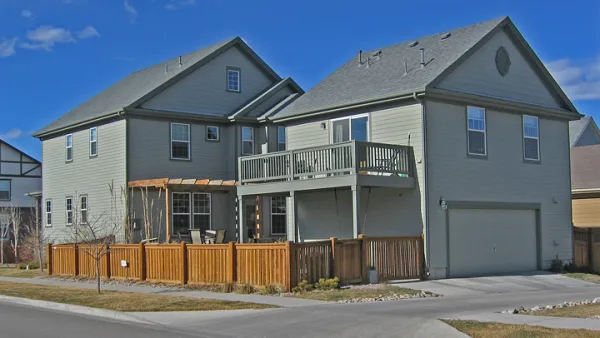
Mayor Lightfoot Expected to Push for Legal Coach Houses in Chicago
Mayor Lori Lightfoot is expected to introduce legislation that would relax zoning restrictions on coach houses, known widely as accessory dwelling units, in the city of Chicago.
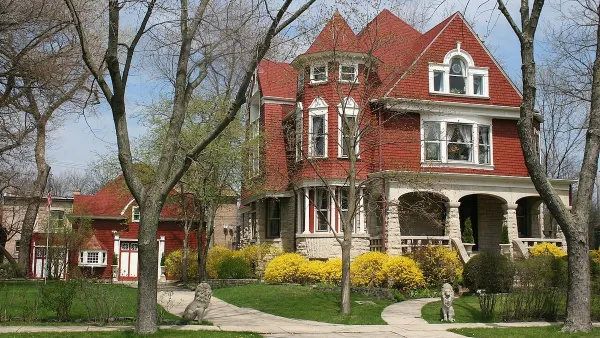
Chicago ADU Law Gives Alderpeople Veto Power
After years of debate, the city approved an ordinance that legalizes ADUs in some neighborhoods, but gives alderpeople the power to restrict them in single-family zones.
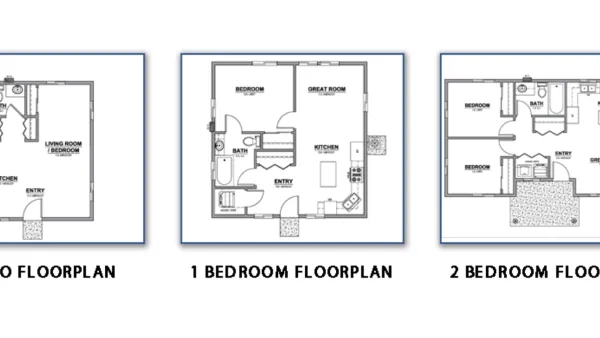
'Permit Ready Plans' for ADUs Published in Stockton, California
Cities looking to provide incentive for the construction of accessory dwelling units are increasingly released "permit ready plans" to help the cause.

Planetizen Federal Action Tracker
A weekly monitor of how Trump’s orders and actions are impacting planners and planning in America.

Eastern Nebraska is running out of electricity
Data centers and electrification are straining eastern Nebraska’s grid, throttling economic development.

Washington state to charge fee to drivers with fuel-efficient cars
Revenue from the fee will go towards supporting the state’s highways.

Instead of building new housing, LA developers are turning mansions into mega-mansions
In the richest areas, the number of houses valued at $30 million with demolition permits has skyrocketed since 2018.

Illinois considers spending $1 billion in taxpayer money on data center
A quantum computing campus and data center are currently under construction in Chicago.

As development costs rise, Boston moves to lessen affordable housing requirements
The Boston Zoning Commission and the City Council still need to approve Boston Mayor Michelle Wu’s proposed changes

FREE Course: Walkable City 1: Why Walkability?
After describing his path towards focusing on walkability as the essence of good planning, Jeff Speck marches through his five principal reasons for making more walkable places.
Reinventing Malls: Planning Alchemy—Turning Gray Fields Into Gold
The course focuses on the opportunities and imperatives that shape reinvention of mall sites.

City of Charlotte
City of Rosemead
Rutgers University, Edward J. Bloustein School of Planning and Public Policy
University of Michigan School for Environment and Sustainability (SEAS)
Hunter College, City University of New York (CUNY)
The Architects Foundation
City of Cambridge
The Pocatello Development Authority
The Urban Renewal Agency of the City of Pocatello