Opponents of Blackstone and other finance firms that have been buying up housing are quick to blame them for the housing crisis. But it's the other way around: the failure to plan for and develop enough housing has attracted the firms.


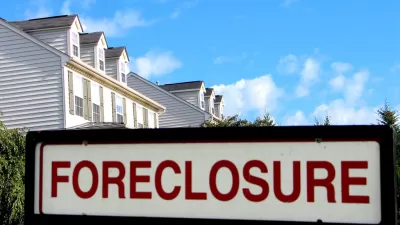
"The 80,000 or so homes in Blackstone’s nationwide portfolio and the few thousand homes in its California portfolio do not drive the 3.5 million-unit Los Angeles market. Blackstone did not create a shortage of 3 million units statewide (give or take). Blackstone did not impose restrictive zoning laws. Blackstone did not kill California’s redevelopment system. Blackstone did not drive up rents in the 2010s when recession-stricken millennials emerged out of their parents’ basements."
"Many homeowners are their own little Blackstones. Many of the same people who decry the purchase of thousands of homes by Wall Street are the same people who protest the development of new homes in their neighborhoods. Why? Sure, some of them care — a little — about “neighborhood character.” But California’s NIMBY movement has not endured the decades, beginning with its Prop. 13 temper tantrum in 1978, because of neighborhood character. It’s because they don’t want to endanger their property values."
Read the full story: The Phony Debate Over Wall Street and the Housing Crisis

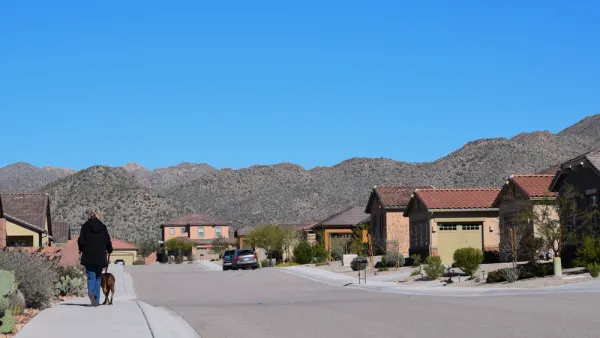
Institutional Investors Gaining a Larger Footprint in the Housing Market, Report Says
The locations with the fastest growing populations are seeing the most dramatic increase in investor-owned single-family housing rentals.
Wall Street Suddenly Buying Fewer Single-Family Homes
Rising interest rates are having a major effect in the housing market—including on the large institutional investors who spent much of the past couple of years buying up single-family homes.

Local, State Governments Creating Obstacles for Institutional Investors on the Housing Market
Large Wall Street investors are increasing their footprint in the housing market, like they did after the Great Recession, and some local and state governments are inventing new ways to prevent these institutional investors from cornering the market.

Planetizen Federal Action Tracker
A weekly monitor of how Trump’s orders and actions are impacting planners and planning in America.

The state-sanctioned urbicide of Austin
People don’t kill cities. Freeways do.

US to reduce Colorado River water deliveries to Mexico
A new Colorado Treaty amendment reduces Mexico’s Colorado River water allocation by 250,000 acre feet.

Nation's most wind-powered state turns to coal as data centers increase energy demand
For the first time in decades, Iowa has increased its generation of coal power.

NYC cools commuters with city's first rain garden above a bus stop
New York City officials say the plants in the rain garden can absorb 16 gallons of rainwater during heavy storms.

Brightline West’s future may rely on $6 billion federal loan
The company has until Nov. 2 to make a $400 million equity investment into its proposed high-speed rail line.

FREE Course: Walkable City 1: Why Walkability?
After describing his path towards focusing on walkability as the essence of good planning, Jeff Speck marches through his five principal reasons for making more walkable places.
Reinventing Malls: Planning Alchemy—Turning Gray Fields Into Gold
The course focuses on the opportunities and imperatives that shape reinvention of mall sites.

Eagle County Government
Harvard University Graduate School of Design
Nashville Planning Department
The Architects Foundation
University of Cincinnati Online
The Pocatello Development Authority
The Urban Renewal Agency of the City of Pocatello
Journal of the American Planning Association