Much of communal life now takes place virtually in digital spaces that feel public but are not. The internet needs to be more like our public parks, libraries, and public squares.


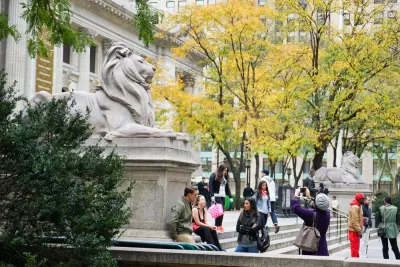
With public health orders to physically distance and not gather in groups, many of us have turned to digital spaces to communicate, gather, and share. This thoughtful piece by Eli Pariser makes the case that the internet is broken and that we need to remake our digital spaces to be more like the public parks, libraries, and public squares that we cherish.
As strange as it may sound, Pariser explains how lessons from parks can be applied to the creation of virtual public spaces. Pariser draws inspiration from a local park and the poet Walt Whitman, saying "Whitman saw public spaces as critical elements of the new American democracy. They were spaces to celebrate individuality and build collective identity. Public parks, he argued, could help weave a greater, more egalitarian 'we.'"
While Facebook and Twitter may seem public, they are privately owned and are actually more like "walled gardens" where the corporate owner has complete control. Also, these platforms seem to have served to divide rather than connect us or engage us in fruitful discourse, especially during these trying times.
The article goes on to identify three challenges that need to be addressed to build thriving digital public spaces:
- Money: Philanthropy is one source; another idea is to tax targeted advertising and use those funds to shore up democratic functions that the big tech platforms have eroded, such as local journalism.
- Talent and Research Problem: A diverse and representative generation of builders, including both people inside and outside of technology-related fields, is needed to build something seamless, intuitive, and irresistible that allows millions of people to interact
- Public Imagination: Building digital public spaces that mirror the physical public spaces that we love is a big job and requires more than just a technological solution.
Creativity is needed to tackle a problem of this urgency and consequence. Pariser concludes by reminding us that we have tackled problems of this magnitude before. The public park is only one of many ideas implemented to enact America’s egalitarian values. Another example is public libraries which opened at the turn of the 20th century to help foster literacy nationwide.
FULL STORY: To Mend a Broken Internet, Create Online Parks

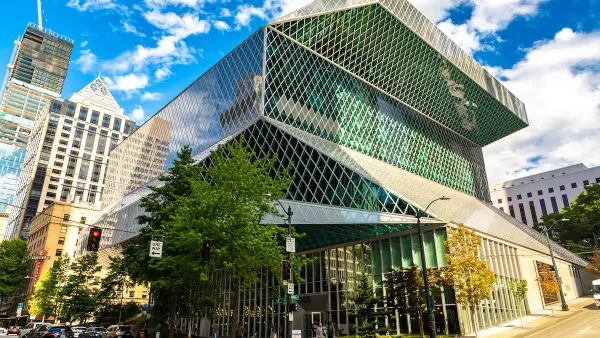
Public Libraries May Be More Relevant Than Ever
Libraries around the country are expanding their services in an effort to become ‘third spaces’ for the community.
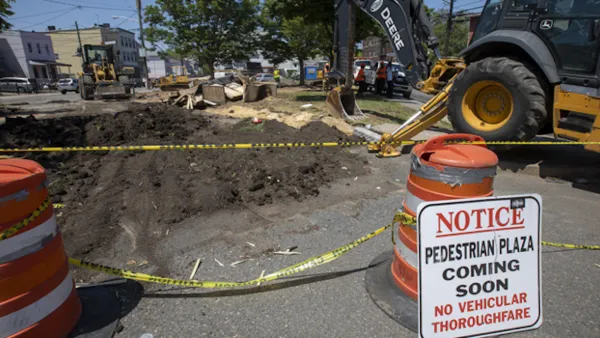
How Jersey City Dramatically Improved Its Public Realm
The city’s new Department of Infrastructure consolidates the management of public amenities and has guided the creation of new bike lanes, pedestrian plazas, and parks.
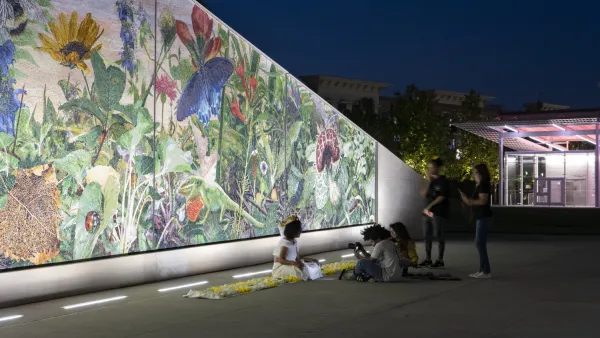
Placemaking: Building on the ‘Soul’ of a Place
Placemaking is often mistaken for a form of manufacturing. Every place already has a story to tell—placemaking just brings that story forward.

Planetizen Federal Action Tracker
A weekly monitor of how Trump’s orders and actions are impacting planners and planning in America.

The state-sanctioned urbicide of Austin
People don’t kill cities. Freeways do.

US to reduce Colorado River water deliveries to Mexico
A new Colorado Treaty amendment reduces Mexico’s Colorado River water allocation by 250,000 acre feet.

5 New England states march closer to 800 megawatt wind energy project
Securing federal approval for the project may be complicated under the Trump administration, which has historically been hostile towards domestic wind power.

Baltimore to break ground on $50 million Transit Priority Project
The project will bring faster bus trips, safer streets and better bike connections to Baltimore.

Airbnb launches $250 million 'last-dollar financing' housing accelerator, makes first investment in Austin
The company will put $6.4 million towards affordable housing development in Texas’ capital.

FREE Course: Walkable City 1: Why Walkability?
After describing his path towards focusing on walkability as the essence of good planning, Jeff Speck marches through his five principal reasons for making more walkable places.
Reinventing Malls: Planning Alchemy—Turning Gray Fields Into Gold
The course focuses on the opportunities and imperatives that shape reinvention of mall sites.

Eagle County Government
Harvard University Graduate School of Design
Nashville Planning Department
The Architects Foundation
University of Cincinnati Online
The Pocatello Development Authority
The Urban Renewal Agency of the City of Pocatello
Journal of the American Planning Association