The new rules are significantly less stringent in mandating repair of methane leaks and regulation of emissions.


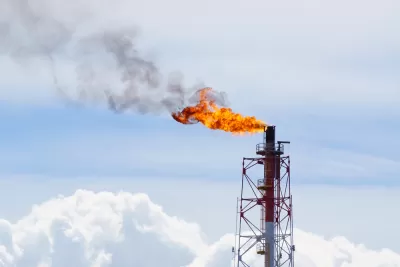
Earlier this month, the EPA announced a rule that shifts the focus on direct methane regulation to volatile organic compounds. This final rollback is the last step in the Trump administration’s efforts to dismantle emissions regulations instituted during the Obama administration.
"The rules replacing the Obama standard provide laxer requirements for how new and modified oil and gas production and processing operations must find and repair methane leaks, a significant contributor to climate change. Owners of transmission and storage infrastructure, which faced requirements under the Obama rule, are exempted from the standard," reports Jean Chemnick.
Environmentalists and policy experts say reversing these regulatory changes could take years. "The Environmental Defense Fund estimates that [the final] rules will result in an additional 4.5 million metric tons of methane annually compared with the Obama regime they replace," writes Chemnick.
FULL STORY: Trump Administration Completes Climate Dismantling with Methane Rollback

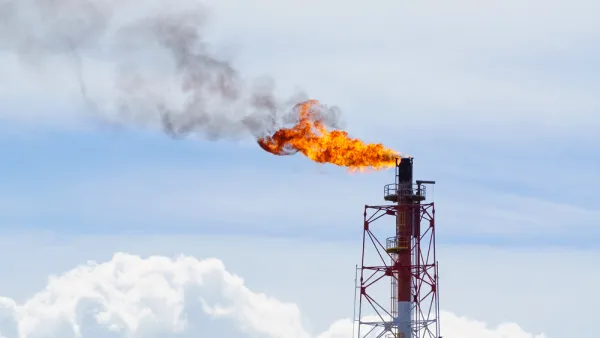
Big Oil Not Happy With Methane Regulation Rollback
The Trump administration's rollback on August 29 of an Obama-era regulation to reduce methane emissions in the production and distribution of oil and natural gas did not sit well with large oil and gas companies who see value in reducing emissions.
California Approves Nation's Toughest Methane Emissions Rule
While Congress is attempting to roll back a federal regulation on methane emissions, the California Air Resources Board approved a landmark rule that regulates methane emissions from onshore and offshore oil and gas production and storage facilities.
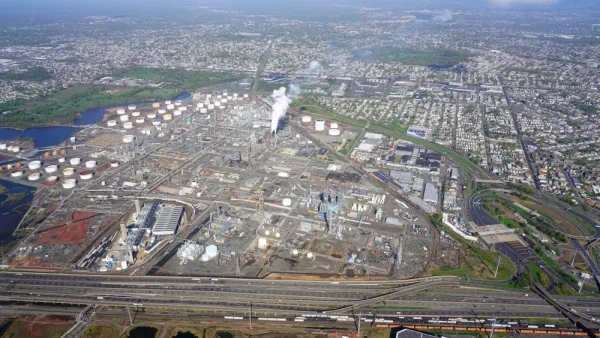
Supreme Court Guts the U.S. EPA’s Ability to Limit Carbon Emissions
The consequences of this ruling have long been foretold. With the U.S. Environmental Protection Agency now officially barred from the fight against climate change, Congress will have to act to reduce carbon emissions.

Planetizen Federal Action Tracker
A weekly monitor of how Trump’s orders and actions are impacting planners and planning in America.

The state-sanctioned urbicide of Austin
People don’t kill cities. Freeways do.

US to reduce Colorado River water deliveries to Mexico
A new Colorado Treaty amendment reduces Mexico’s Colorado River water allocation by 250,000 acre feet.

Amtrak not solely to blame for New Jersey commuter rail's unreliability, report finds
A new study from the Garden State Initiative found that NJ Transit’s budget grew 20% across a 4 year period, but reliability declined significantly over the same period.

EPA erases limits on planet-warming pollution from power plants
Under Monday’s plan, power plants would still have some limits on how much mercury, arsenic and other contaminants they can emit.

Phoenix announces new on-demand transit service, more frequent RAPID buses
Both new services will launch in October, and are part of Phoenix's Project Effective Access Solutions for Easing Congestion.

FREE Course: Walkable City 1: Why Walkability?
After describing his path towards focusing on walkability as the essence of good planning, Jeff Speck marches through his five principal reasons for making more walkable places.
Reinventing Malls: Planning Alchemy—Turning Gray Fields Into Gold
The course focuses on the opportunities and imperatives that shape reinvention of mall sites.

Eagle County Government
Harvard University Graduate School of Design
Nashville Planning Department
The Architects Foundation
University of Cincinnati Online
The Pocatello Development Authority
The Urban Renewal Agency of the City of Pocatello
Journal of the American Planning Association