The oldest members of the generation cohort to follow the Millennials already have two feet in the legal drinking age, and with even more coming of age before the 2020 election, it's well past time to get to know Generation Z.



Kim Parker and Ruth Igielnik share data and information about the newest generation of Americans as it comes of voting age, as produced by Pew Research Center surveys. The key piece of information for the political and historic moment: the new generation of Americans are coming of age in time to hold immense political power in 2020, and beyond.
One-in-ten eligible voters in the 2020 electorate will be part of a new generation of Americans – Generation Z. Born after 1996, most members of this generation are not yet old enough to vote, but as the oldest among them turn 23 this year, roughly 24 million will have the opportunity to cast a ballot in November.
While Generation Z resembles its predecessors, Millennials, in many respects, like diversity, opinions on the president, and familiarity with technology (the "digital native" life), the newcomers also represent a few significant departures from the forebears.
Read the full story: On the Cusp of Adulthood and Facing an Uncertain Future: What We Know About Gen Z So Far
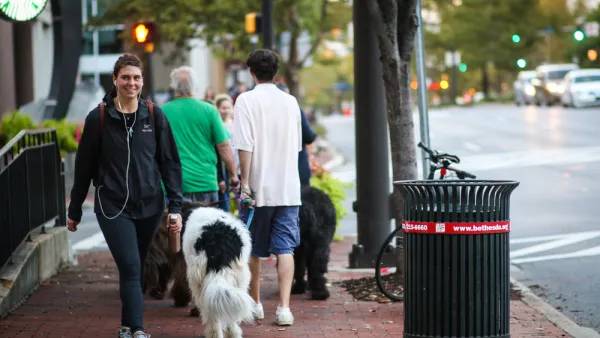
Survey Says: U.S. Homebuyers, Especially Gen Z, Want Walkable Neighborhoods
Generation Z is leading a new push toward walkable communities, according to a recent survey by the National Association of Realtors.
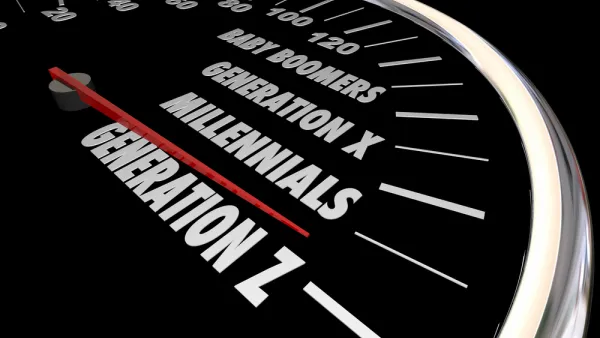
Generation Z Is Driving Less, But History Indicates It Won’t Last
Think Generation Z will usher in the long-awaited post-car future of transit advocates’ dreams? Think again (about the example set by the Millennials).
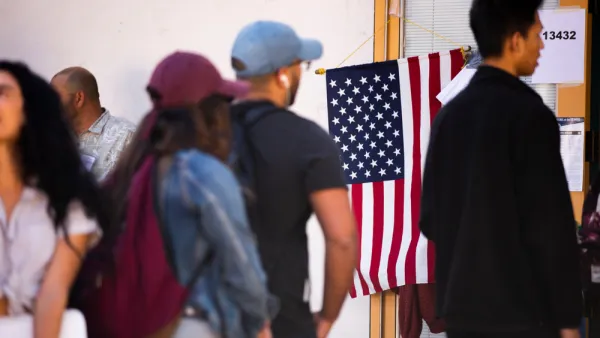
Brookings: A Demographic Post-Mortem of the Midterms
Young adults, according to a deep dive analysis by Brookings Metro demographer William Frey, were a key demographic group responsible for stopping the red wave that most polling predicted as the likely outcome of last month's midterm elections.

California plans to bury El Niño’s downpour
If the state plays its cards right, it may be able to store a billion acre-feet of El Niño’s water in aquifers.

Desperate measures: Advocates weigh draining Lake Powell to fill Colorado River
Draining the reservoir could reduce evaporation losses by a couple hundred thousand acre-feet.

Eastern Nebraska is running out of electricity
Data centers and electrification are straining eastern Nebraska’s grid, throttling economic development.

SpaceXAI may be fined $6 million for data center lacking water permits
A Mississippi agency also responds after a federal judge criticized the state’s Clean Air Act enforcement.

Housing is the top priority of Seattle’s sole new councilmember
Jenks campaigned on building 1,000 new units of affordable housing.

New tax cuts may slash $1.5 billion in funding for Miami transit, public parks
Amendment 3 will save Miami-Dade homeowners $2,700 in 2028.

FREE Course: Walkable City 1: Why Walkability?
After describing his path towards focusing on walkability as the essence of good planning, Jeff Speck marches through his five principal reasons for making more walkable places.
Reinventing Malls: Planning Alchemy—Turning Gray Fields Into Gold
The course focuses on the opportunities and imperatives that shape reinvention of mall sites.

City of Rosemead
Rutgers University, Edward J. Bloustein School of Planning and Public Policy
One Hundred Miles
University of Michigan School for Environment and Sustainability (SEAS)
Hunter College, City University of New York (CUNY)
The Architects Foundation
City of Cambridge
Montrose County
The Pocatello Development Authority