One of the dominant themes to emerge from the spread of COVID-19 is the conflict between the need to be in nature for health and well-being while avoiding public space as much as possible to prevent the spread.


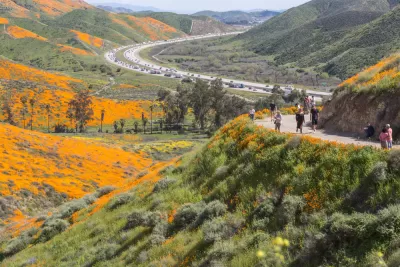
During and after the first weekend of stay-at-home orders in the nation's largest cities, officials scrambled to shut down parks and public open spaces after crowding quickly made social distancing guidelines impossible. Planetizen gathered the relevant news on March 24, mostly focusing on the cities taking the earliest, drastic actions to slow the spread of the coronavirus—like New York City and Los Angeles.
Since then, parks all over the country have been closed after visitors quickly overwhelmed social distancing guidelines while seeking refuge from the anxieties of the pandemic. Think pieces about what the pandemic means for the collective appreciation for parks and open space are also common.
A New Appreciation for Parks and Open Space
When the pandemic is finally over, there will be a lot of aspects of contemporary life to appreciate again, with new perspective on their value to the social and economic well being of communities. Parks and open space are a clear frontrunner for that kind of rejuvenation in the post-pandemic world.
An article by Sara Bronin for the Philadelphia Inquirer includes social and economic benefits as some of the many reasons to appreciate parks and open space, especially among the stresses of the pandemic.
Laura Bliss writes about about the need to think smaller about open space while in isolation to achieve the benefits offered by nature.
Fear and Controversy
While celebrations of the benefits of open spaces and nature have been common, so to have expressions of the new fears associated with being outside, like in a New York Times article by Jodi Kantor.
It could be possible that a lack of understanding about the seriousness of the public health crisis is evident in parks and open space, and that parks being closed is a sign of cities and communities finally coming to terms with the necessities of the crisis.
In Minneapolis on March 31, officials had to repeat directions to reduce crowding in parks—the same message sent to the city's residents earlier in the month.
Dallas Morning News Architecture Critic Mark Lamster found a bit of normalcy on the Katy Trail earlier in the crisis, for instance, but this week local officials have been threatening to shut the trail down if the same numbers of people continue to crowd the space.
In Chicago, the contest for open space continues into April. Lightfoot shut down Chicago's lakefront and other high-profile public areas on March 26. The nearby suburb of Oak Park soon followed suit. Streetsblog Chicago has upheld a protracted campaign to leverage the park closures to close public streets to automobile traffic. The lack of progress on that issue might indicate one area that public officials need to better account for the seriousness of the situation.
In a grim counterpoint to the lack of coordinated federal action in response to the epidemic, many of the nation's public parks have been shutting down since March. Yosemite shut down on March 20. Hawai'i Volcanoes shut down on March 22. Yellowstone shut down March 24. The Grand Canyon shut down on April 1. The Pacific Northwest Region of the U.S. Forest Service shut down all developed recreation sites on national forest land in both Oregon and Washington on March 30.
Perhaps most of all, however, the closure of parks and open space during the pandemic has brought a new, hypersensitive focus of the equity gaps in the use and allotments of public space in the United States, tying the controversies and challenges of the pandemic to the challenges facing cities before and after the crisis. The most vulnerable populations are less likely to have access to parks and open space. An article by Alissa Walker explores how that reality is playing out as most of the nation endures another week of isolation.
The Future of Parks and Landscape Architecture
While the debate about whether the pandemic will force a dramatic shift in urban design, and the demand for dense, urban living in cities, has dominated urbanism discussions since the beginning of stay-at-home orders and the collapse of the stock market in March.
For a change of pace on these kind of speculations about the consequences of the present for the urban design of the future, see an article by John King that explores the implications of social distancing for the field of landscape architecture [paywall], which since the days of William Whyte have been focused on enabling social connections.
Diana Budd writes on the potential of the pandemic to influence design, not just of parks, but also of the private and commercial worlds. There are plenty of examples from history of public health considerations already having achieved dramatic influence on design practice.
On a similar theme, words from Curbed design critic Alexandra Lange are buried in this Politico roundtable of experts predicting the post-pandemic future. Lange's prediction: "Society might come out of the pandemic valuing these big spaces even more, not only as the backdrop to major events and active uses, but as an opportunity to be together visually."

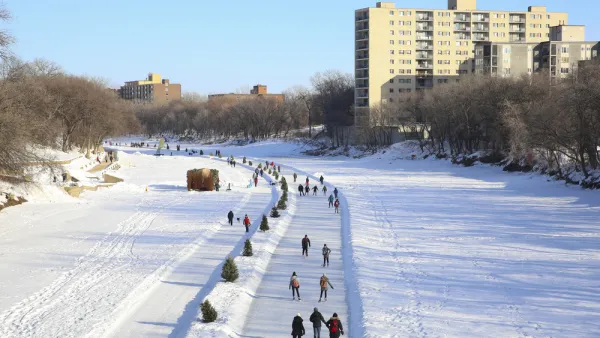
Serpentine Maze: Pop-Up Parks in the Pandemic
If the combined effects of winter's cold and the pandemic has you bummed, check out this community-building exercise in the frozen North.
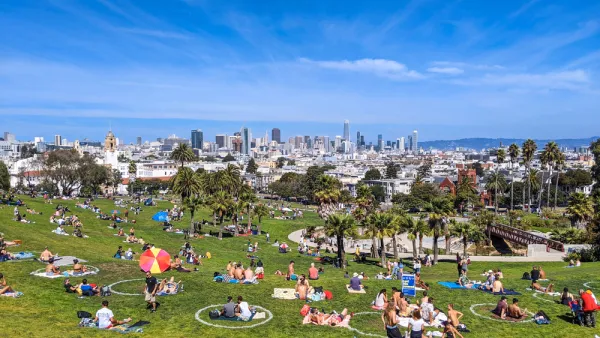
Reimagined Public Spaces and Programming During the Pandemic
Public spaces have become more important than ever. Here are five case studies of innovative and safely designed programming that engages people of all ages and backgrounds.
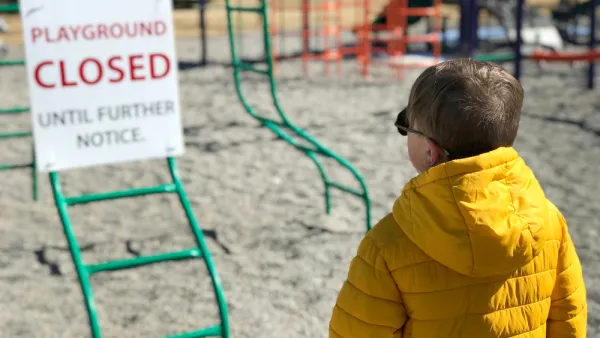
Why Playgrounds Need to Stay Open
California has reversed its decision to close playgrounds as part of the state's stay-at-home order after some legislators and parents complained and argued that children need outdoor play for their health and well-being.

Planetizen Federal Action Tracker
A weekly monitor of how Trump’s orders and actions are impacting planners and planning in America.

‘Going backwards:’ Baltimore mayor, students rally against state's transit funding plan
Maryland's proposed six-year plan provides no funding for Baltimore’s BMORE bus program and reduces its road maintenance funding.
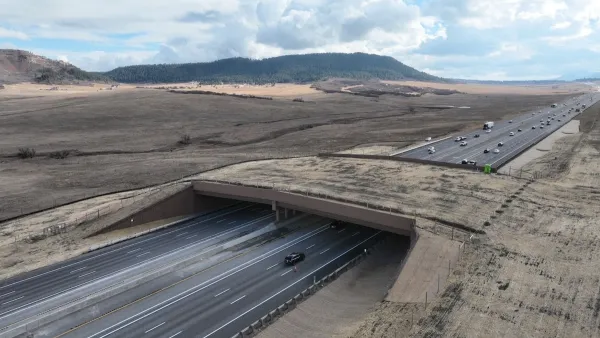
Record-breaking wildlife overpass in Colorado brings 91% reduction in animal collisions
Prior to the overpass, vehicles were hitting one deer per day on Colorado’s Interstate 25.

Mamdani sent nearly 6,000 pied-à-terre tax warnings to homes that didn’t qualify
A judge has ordered the administration to cancel thousands of pied-à-terre tax notices after it sent 35% of them erroneously.

Detroit to transform waterfront with $2.2 billion investment
Developers will convert about 18 acres of unused parking lot space into civic spaces.

‘Going backwards:’ Baltimore mayor, students rally against state's transit funding plan
Maryland's proposed six-year plan provides no funding for Baltimore’s BMORE bus program and reduces its road maintenance funding.

FREE Course: Walkable City 1: Why Walkability?
After describing his path towards focusing on walkability as the essence of good planning, Jeff Speck marches through his five principal reasons for making more walkable places.
Reinventing Malls: Planning Alchemy—Turning Gray Fields Into Gold
The course focuses on the opportunities and imperatives that shape reinvention of mall sites.

City of Thousand Oaks
City of Wisconsin Rapids
Harvard University Graduate School of Design
The Architects Foundation
University of Cincinnati Online
Northern Illinois Transit Authority (NITA)
The Pocatello Development Authority
The Urban Renewal Agency of the City of Pocatello

