A high-ranking federal official also issued a warning about the potential for the pandemic to affect mortgage borrowers.


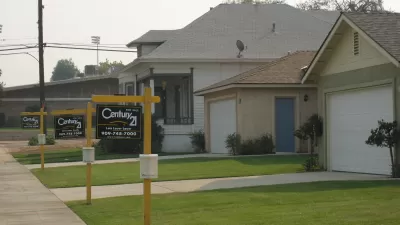
Jacob Passy reports: “March started out as a strong month for the U.S. housing market — but by the second half of the month, the first indications that the coronavirus pandemic would weigh on home-selling activity began to emerge, according to a new report from Realtor.com.”
“In the weeks ending March 21 and March 28, the number of newly-listed properties fell by 13.1% and 34% respectively when compared with the same period a year ago,” according to Passy’s explanation of the report.
Also: “Home list prices were only up 3.3% year-over-year for the week ending March 21, and 2.5% for the following week. This represented the slowest pace of listing price growth since Realtor.com started tracking this data in 2013.”
Looking a little further into the future, Passy also reports (in a separate article) on comments by Federal Housing Finance Agency Director Mark Calabria, who on April 2 warned about the “canary in the coal mine” of the potential for the coronavirus pandemic to cause a foreclosure crisis, namely with loans backed by the Federal Housing Administration (FHA). Comparatively, according to Calabria, Freddie Mac and Fannie Mae should be on more solid footing.
For evidence of the pandemic's effect on the rental housing market, Elijah Chiland reports that Los Angeles rental prices dropped in March for the first time since 2010.
Read the full story: America’s housing market is showing the first signs of trouble because of the coronavirus pandemic
Federal Eviction and Foreclosure Moratorium Extended Until the End of August
Breaking news: a federal moratorium on evictions and foreclosures of single-family mortgages backed by Fannie Mae and Freddie Mac will be extended until at least the end of August. The moratorium had been set to expire at the end of June.

The Crisis Within the Crisis: Homelessness and Housing Pushed to the Brink by COVID-19
Cities, states, and the federal government are trying to prevent a repeat of 2008 while still facing the challenges of inequality and poverty that grew out of the previous recession.

The Historical Effect of Pandemics on the Economy and the Housing Market
Research into previous pandemics, like SARS in 2003, the Spanish Flu in 1918, and the early months of COVID-19 in China, offers insight into what to expect for the economy and the housing market during and after the current pandemic.

Planetizen Federal Action Tracker
A weekly monitor of how Trump’s orders and actions are impacting planners and planning in America.

California plans to bury El Niño’s downpour
If the state plays its cards right, it may be able to store a billion acre-feet of El Niño’s water in aquifers.

Desperate measures: Advocates weigh draining Lake Powell to fill Colorado River
Draining the reservoir could reduce evaporation losses by a couple hundred thousand acre-feet.

In Texas, data centers are swallowing promised parkland
Residents who moved to Taylor, Texas for a rural community now have to contend with three data centers in their backyard.

How a Chicago-sized wind farm beat the odds and powered on
The project spanned five presidential administrations and a standoff with a U.S. military base.

MTA gives itself 30 days to transform pit into basketball court
The site has been under construction since 2022; the city originally estimated it would finish the court in 2024.

FREE Course: Walkable City 1: Why Walkability?
After describing his path towards focusing on walkability as the essence of good planning, Jeff Speck marches through his five principal reasons for making more walkable places.
Reinventing Malls: Planning Alchemy—Turning Gray Fields Into Gold
The course focuses on the opportunities and imperatives that shape reinvention of mall sites.

City of Rosemead
Rutgers University, Edward J. Bloustein School of Planning and Public Policy
One Hundred Miles
Hunter College, City University of New York (CUNY)
The Architects Foundation
University of Cincinnati Online
City of Cambridge
Montrose County
The Pocatello Development Authority