While cities may be shut down, city planners have not turned off the lights. Planning departments around California, which is mostly on lockdown, have resorted to working from home. Long-range planning could even benefit.


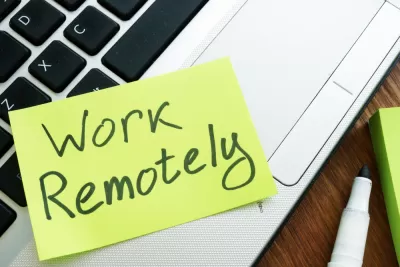
"With the governor’s orders, planning 'counters,' where minor and small-scale applications are processed, have physically closed. Most departments are not holding any in-person meetings with customers. But the relatively recent advent of electronic processing may mean that some customers will not even notice the shutdown. They just have to upload the proper documents on departments’ web-based portals—no human contact needed."
"While applications are sure to fall, at least in the short term, while applications for everything from high rises to accessory dwelling units are slowed by the shutdown, department officials say that many planners have at least a few weeks' worth to keep them busy in the near term. If applications do not pick up, departments may shift their attention to the long-term — and to projects that have been lingering but not getting the attention they may have deserved."
FULL STORY: Virus Crisis Forces Planning to Go Virtual


D.C., San Francisco Lead Pandemic Work From Home Trend
Remote work increased threefold during the pandemic, but the numbers vary significantly from city to city and region to region. Almost half of D.C.-area employees, for example, worked from home in 2021, according to American Community Survey data.
The Future of Downtowns Still Hangs in the Balance
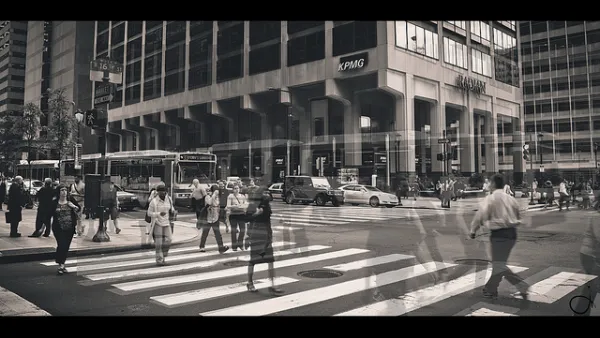
Center City in Philadelphia offers a case study for one of the largest and potentially most consequential contingencies of the pandemic: What happens to downtowns is most workers never come back to the office?

Two Stories From 2020: Which Is True?
Have all cities lost people due to COVID-19, or just a few high-cost ones?

Planetizen Federal Action Tracker
A weekly monitor of how Trump’s orders and actions are impacting planners and planning in America.

The state-sanctioned urbicide of Austin
People don’t kill cities. Freeways do.

US to reduce Colorado River water deliveries to Mexico
A new Colorado Treaty amendment reduces Mexico’s Colorado River water allocation by 250,000 acre feet.

5 New England states march closer to 800 megawatt wind energy project
Securing federal approval for the project may be complicated under the Trump administration, which has historically been hostile towards domestic wind power.

Baltimore to break ground on $50 million Transit Priority Project
The project will bring faster bus trips, safer streets and better bike connections to Baltimore.

Airbnb launches $250 million 'last-dollar financing' housing accelerator, makes first investment in Austin
The company will put $6.4 million towards affordable housing development in Texas’ capital.

FREE Course: Walkable City 1: Why Walkability?
After describing his path towards focusing on walkability as the essence of good planning, Jeff Speck marches through his five principal reasons for making more walkable places.
Reinventing Malls: Planning Alchemy—Turning Gray Fields Into Gold
The course focuses on the opportunities and imperatives that shape reinvention of mall sites.

Eagle County Government
Harvard University Graduate School of Design
Nashville Planning Department
The Architects Foundation
University of Cincinnati Online
The Pocatello Development Authority
The Urban Renewal Agency of the City of Pocatello
Journal of the American Planning Association