Shoreview, Minnesota has one of the most extensive permeable pavement systems in the United States. This technology has reduced the need for expensive grey infrastructure like stormwater sewer systems.



Freelance journalist Cinnamon Janzer writes in Next City's online web page: "After Shoreview’s first permeable pavement project in 2009, the city sent out mailers to tell neighbors about their permeable streets and what they can do to help it function sustainably, like not blowing dirt into the street. Since then, the city has added five more stretches of permeable pavement as part of larger road reconstruction projects and demand is growing."
As a winter city, Shoreview has been pleased with how its permeable pavement is holding up in winter conditions. "After four Minnesota winters of dramatically differing duration, precipitation, freeze-thaw cycles, soil moisture levels, and snowplow events, we are quite pleased with the performance of this pervious concrete roadway/drainage system. It is being used as intended with no unusual operational issues to date,” Shoreview's Public Works director Mark Maloney wrote in 2013. "The pervious concrete pavement in the Woodbridge Neighborhood is functioning as intended and still stands as the most successful example of the use of pervious concrete for public roadway infrastructure."
Read the full story: How a Twin Cities Suburb Has Led The Way With Permeable Pavement
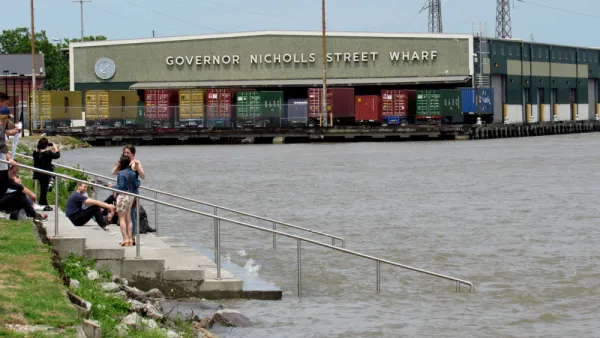
Permeable Pavements Required for Parking, Sidewalks in New Orleans
New Orleans is looking for new ways to mitigate the effects of stormwater that regularly floods the city.
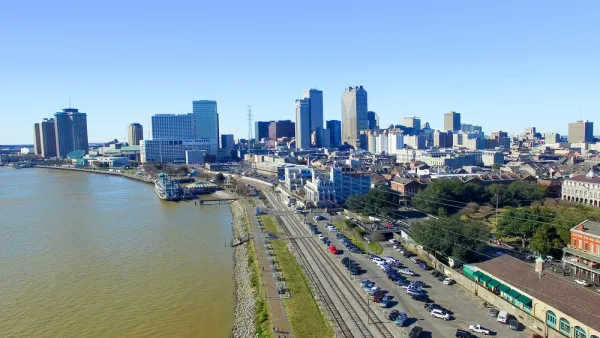
All New Commercial Developments Require Porous Pavement in New Orleans
After the challenges of a rainy season with persistent flooding last year, New Orleans is ensuring that the future of its development is more stormwater friendly than its past.
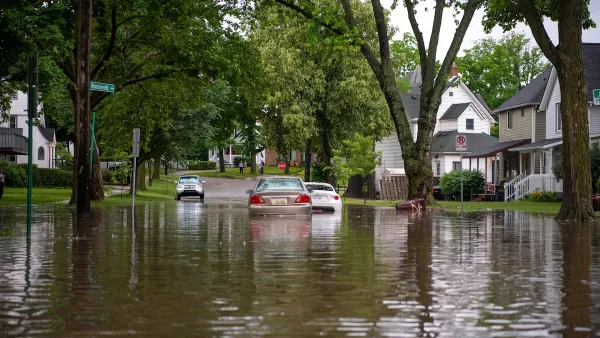
Michigan needs billions to save its water infrastructure. The state won't fund it
Michigan needs to invest $2.8 billion per year over the next 20 years to fix its water infrastructure. The FY 2027 budget allocates only $27.9 million.

Planetizen Federal Action Tracker
A weekly monitor of how Trump’s orders and actions are impacting planners and planning in America.

California plans to bury El Niño’s downpour
If the state plays its cards right, it may be able to store a billion acre-feet of El Niño’s water in aquifers.

Desperate measures: Advocates weigh draining Lake Powell to fill Colorado River
Draining the reservoir could reduce evaporation losses by a couple hundred thousand acre-feet.

Chicago voters approve permanent festival grounds, penalty for vacant property owners
Currently, major summer and fall festivals take over public parks for weeks at a time, drawing criticism from nearby residents

NYC votes to cut outdoor dining red tape, speed up permitting
New York City also voted to allow the Department of Transportation to begin work on urgent projects before notifying elected officials.

California appears to reject Prop. 45
The proposition would have expanded the projects that qualify for a streamlined environmental review, effectively paring down the California Environmental Quality Act.

FREE Course: Walkable City 1: Why Walkability?
After describing his path towards focusing on walkability as the essence of good planning, Jeff Speck marches through his five principal reasons for making more walkable places.
Reinventing Malls: Planning Alchemy—Turning Gray Fields Into Gold
The course focuses on the opportunities and imperatives that shape reinvention of mall sites.

City of Rosemead
Rutgers University, Edward J. Bloustein School of Planning and Public Policy
One Hundred Miles
Hunter College, City University of New York (CUNY)
The Architects Foundation
University of Cincinnati Online
City of Cambridge
Montrose County
The Pocatello Development Authority